


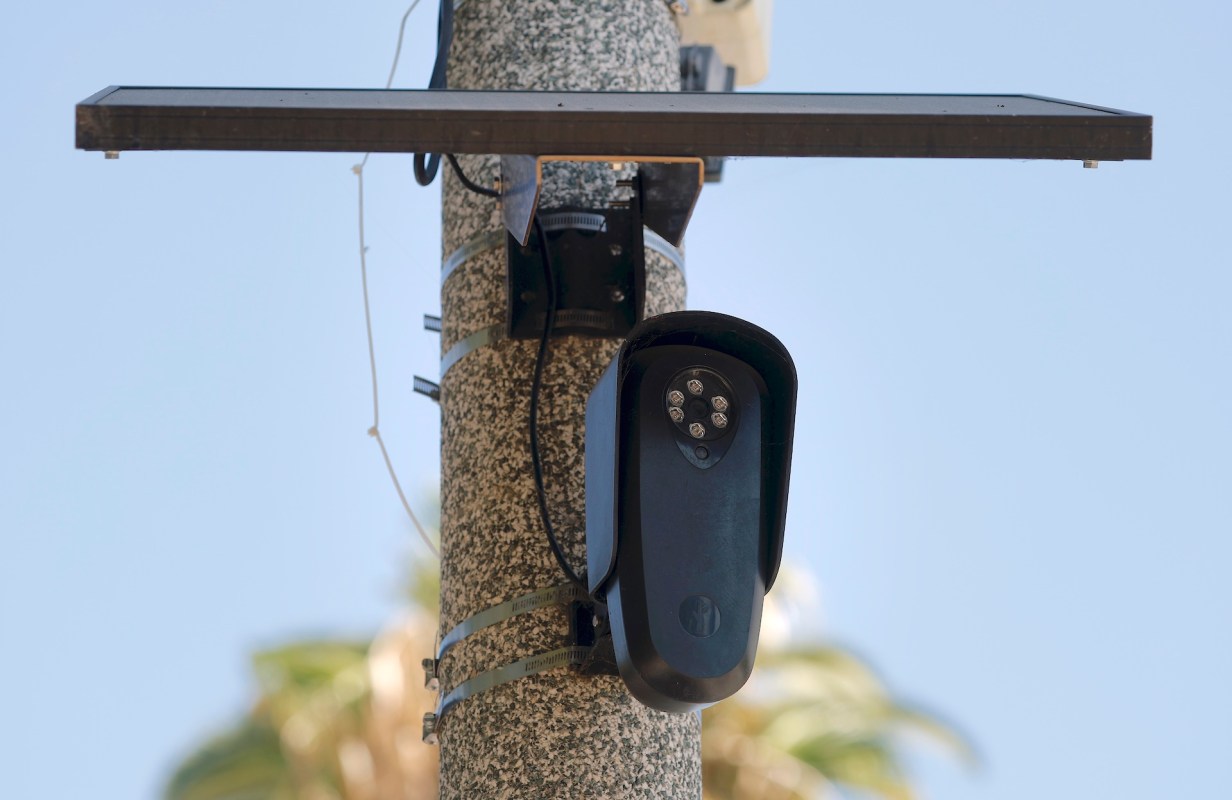
A California city is moving to remove surveillance cameras from public streets after officials said they were approved by mistake.
The dispute is renewing questions about who controls neighborhood surveillance data — and what happens when private groups install monitoring technology in public spaces.
Here's what to know
According to The Mercury News, Brentwood, California, is working to revoke a permit connected to Flock license plate reader cameras installed by the Shadow Lakes Homeowners Association in a neighborhood of nearly 800 homes.
Acting City Manager Terrance Davis said the city issued the encroachment permit under "the mistaken understanding" that the application was connected to the Brentwood Police Department's existing camera program.
If the permit is revoked, Flock will be required to remove the cameras placed in the public right-of-way and "restore the right-of-way to its prior condition," Davis said.
The city is also reviewing records to determine whether other homeowners associations or private groups sought or received approval for Flock cameras on public rights-of-way.
TCD Picks » Quince Spotlight
💡These best-sellers from Quince deliver affordable, sustainable luxury for all




Residents who objected said the cameras raised questions about privacy, oversight, and who can get the data they gather. Nathan Fruth, a nearby resident on a street outside the HOA, called it "a massive breach of privacy."
"This is not a gated community," he told the Mercury News. "It's a public street, and the people driving on it aren't all members of the HOA."
More background
The dispute comes as communities across the country continue to debate how automated license plate readers can be used — and misused.
The Electronic Frontier Foundation, a nonprofit focused on civil liberties and privacy, has warned that homeowners associations are "rarely equipped or trained to make responsible decisions" about surveillance tools, as reported by The Mercury News.
The group previously said, "While police are subject to legally binding privacy rules (like the Fourth Amendment), HOA members are not."
HOAs already influence many aspects of daily life. Across the country, some associations have faced criticism for blocking homeowners from pursuing money-saving, eco-friendly upgrades such as rooftop solar panels or native plant lawns.
Views in Brentwood were split. The Mercury News reported that some neighbors backed the cameras for security, while others said they had no idea the system had been installed and were uneasy with a private group controlling data collected from cars using public roads.
What's being done?
Brentwood has started the process of revoking the permit for cameras installed in public rights-of-way.
The city's review could have broader implications because cameras on private property do not need an encroachment permit and are not currently regulated by Brentwood.
That leaves open larger questions about what standards should apply when private groups deploy powerful surveillance technology near homes and public streets.
Vincent Joralemon, who leads the Life Sciences Law and Policy Center at the Berkeley Center for Law and Technology, warned that weak protections could create serious risks if bad actors gain access.
"They need to make sure that they have really good security because that's exactly the kind of thing that has been popping up with these Flock cameras, is people getting inappropriate access," he told The Mercury News.

Get TCD's free newsletters for easy tips, smart advice, and a chance to earn $5,000 toward home upgrades. To see more stories like this one, change your Google preferences here.






