


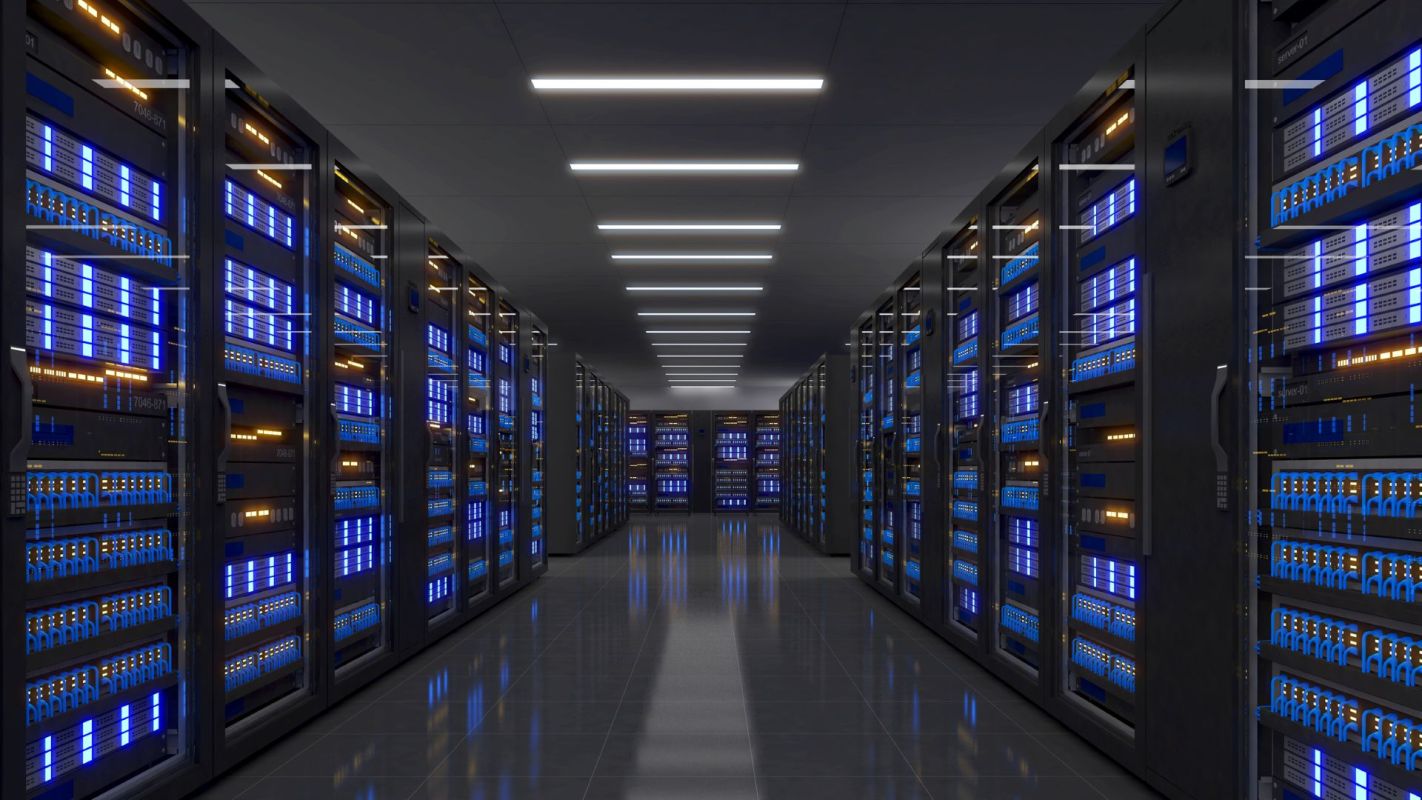
A local dispute over a proposed data center in Boulder City, Nevada, is now being framed as something much bigger — critics say putting the project on federal land could establish a model for locating power-hungry AI facilities on public land across the West.
This week, opponents widened the fight through both Congress and the courts, according to the Las Vegas Review-Journal.
What happened?
After the Boulder City Council earlier this month told staff to seek a halt, the city attorney's office filed for that relief on Friday, July 24.
Then on Monday, July 27, the Center for Biological Diversity and the Sierra Club asked the Interior Board of Land Appeals to pause construction while their case is considered.
Before the federal-site plan emerged, Houston-based Townsite Solar 2 — a subsidiary of hedge fund firm Skylar Capital Management — had spent months pursuing a lease for city-owned land, a deal local officials said might bring in $2.3 million a year.
But following a 6-1 vote by a city panel against recommending approval, the Trump administration moved quickly to let the company shift the project to an adjacent federal parcel already cleared for a utility-scale solar development.
TCD Picks » Quince Spotlight
💡These best-sellers from Quince deliver affordable, sustainable luxury for all




Federal land managers concluded that replacing a solar installation with a data center would not create environmental impacts different enough to trigger another review, a determination opponents say is wrong.
"If this isn't challenged, it won't stop in Boulder City — it will become the blueprint for data centers across public lands in the West," Sierra Club Toiyabe chapter Executive Director Olivia Tanager warned.
The Boulder City dispute has also reached Congress, where U.S. Rep. Rashida Tlaib, D-Mich., introduced H.R. 9939, the No AI Data Centers on Federal Lands Act.
Why does it matter?
The central question is whether regulators and local officials can treat this data center like the solar project previously approved for the site.
Opponents say that approach ignores major differences between the two, particularly their demands for water and electricity.
According to the appeals, which cite a Bureau of Land Management review described by the Review-Journal, expected construction water use would jump from 25 acre-feet under the solar plan to 560 acre-feet for the data center.
Boulder City also argues the project would require electricity equal to three times the city's load, adding competition for power as lower Lake Mead levels reduce Hoover Dam's hydropower output.
The implications reach far beyond Nevada.
Data centers are part of the AI boom, and while AI can offer benefits such as helping utilities forecast demand, integrate renewable energy, and optimize grid performance, the rapid buildout of the infrastructure behind it can also bring significant downsides.
Those concerns include heavier electricity and water use, local pollution issues, security and misuse risks, and the possibility that residents could face higher utility bills if grid upgrades or peak-demand pressures are passed on to them.
Supporters of data center expansion point to the potential for jobs, tax revenue, and infrastructure investment.
Critics counter that those benefits should not come without a full, transparent public review.
What's being done?
In their appeal, the environmental groups argue that federal officials failed to satisfy public-participation requirements in the Federal Land Policy and Management Act and the National Environmental Policy Act.
Their attorneys wrote that the agency made "a strained attempt to draw similarities between the two projects and their impacts, essentially trying to drive a square peg through a round hole."
Separately, Boulder City maintains that a data center is not a permitted use under either federal law or the BLM's Las Vegas Resource Management Plan.
City Attorney Brittany Walker wrote that "there is no question" the conflict "will directly impact the City's ability to provide electricity to its residents" and could increase prices during peak periods.
For now, opponents want a stay that would pause the project and require a slower, more deliberate review.
"Banning data centers on federal lands forecloses economic growth and sets a dangerous precedent of politicians picking and choosing amongst their favored industries while they are in power," said Josh Smith, a senior fellow at the libertarian legal firm Pacific Legal Foundation.
"We're fighting to make sure that never happens," Tanager said.
Walker wrote that "that priority does not excuse BLM from its obligations to examine the impacts of the project under NEPA or consult with local governments."

Get TCD's free newsletters for easy tips, smart advice, and a chance to earn $5,000 toward home upgrades. To see more stories like this one, change your Google preferences here.






