


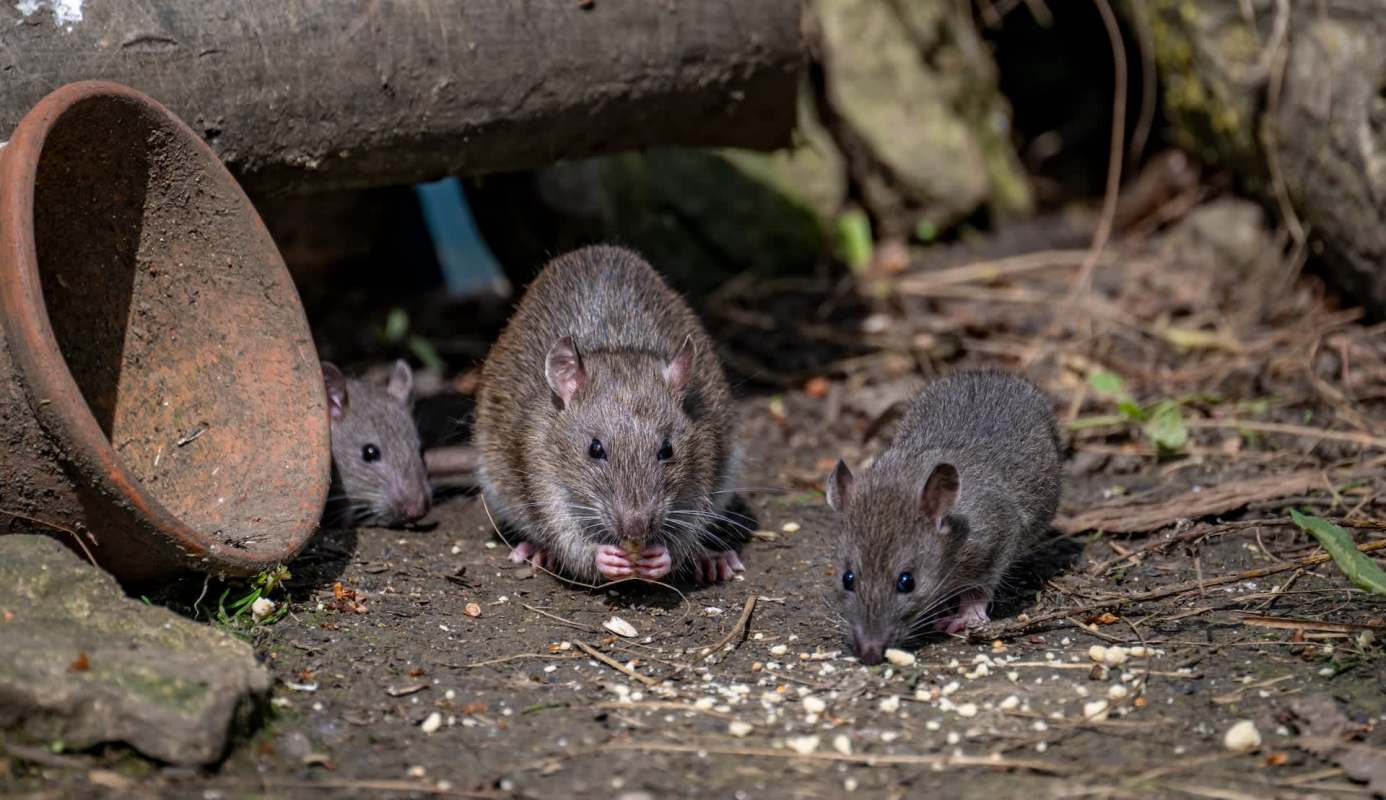
Boston is trying a new tactic in its long-running fight with rats: listening.
The city's latest partnership focuses on using artificial intelligence to analyze rat sounds so it can identify infestations sooner and make neighborhoods safer and healthier.
Here's what to know
The project relies on gray, toaster-sized ultrasonic microphones installed at about six sites around Boston. As WBUR reported, Boston is working with the nonprofit Basis Research Institute to build what researchers describe as a rat "dictionary."
The partnership is strictly research-focused. It isn't costing taxpayers anything, and the work is still in the data-collection phase.
Researchers are trying to capture ultrasonic sounds and match them with what rats are doing. Basis scientist Ralph Peterson explained, "It's as if there's a bird dawn chorus happening all night, but we would never know because we can't hear it."
The scale of the recordings is enormous. The nonprofit can log more than 10,000 rat vocalizations in a single night, and its team has collected more than 1.2 million calls across Boston and New York.
TCD Picks » Quince Spotlight
💡These best-sellers from Quince deliver affordable, sustainable luxury for all




Peterson said, "We're using AI to go in and do that analysis for us. So we train these models to go into our audio and extract out when vocalizations occur, or when rats are in frame."
More background
During Boston's second-annual National Urban Rat Summit, the technology was showcased on a nighttime "rat walk" through the Public Garden, where city officials, rat mitigation experts, and rodent enthusiasts watched the city's control efforts at work.
In dense urban neighborhoods, rats can damage quality of life by spreading disease and damaging property.
Better data could show officials where rat activity is concentrated, where it may spread next, and whether current deterrents are making a difference.
Because the microphones can also capture people talking, the project has prompted privacy concerns. Basis scientist Nick Jourjine said the group built its system to strip that material from the recordings.
"This microphone is hot. It's picking up all the speech that's happening here, but our pipeline, once we upload this data, will detect that speech and remove it from the audio so that we can safely record rat vocalizations at scale without putting the people in the communities that we're trying to help at risk of having their personal conversations recorded," he said.
Ricky Meinke, who organizes the annual Rat City Arts Festival in Allston, questioned whether a headline-grabbing idea such as AI surveillance of rats will remain useful once the management challenges become clearer.
What's being done?
Boston is combining the research with conventional rat-control tactics. Working alongside thermal cameras, the AI system helps connect sounds to specific behaviors, including whether a rat is moving toward a food-filled dumpster or entering a burrow with other rats.
That could eventually give city workers better evidence about which interventions work.
John Ulrich, Boston's assistant commissioner of environmental services, said one of the hardest parts of urban rat control is figuring out how big the problem is and measuring what actually helps. He added that a previous AI experiment in Boston faltered because of staffing issues.
Keep yards and alleys clutter-free, store trash properly, and report rodent sightings through 311.
Kim Kammerer, a South Carolina extermination company owner who attended the summit, said the technology should support, not replace, hands-on pest-control work.
"I don't think we should leave anything off the table," she said.
Ulrich said: "People have been trying to mitigate rats and deal with rats in cities for a very long time, and using new technology and science to get ahead of it, I think is what we have to do."
Where can I learn more?
Boston's experiment is part of a push to better track rat activity and curb city infestations. These articles cover other rat-control efforts, major rodent outbreaks, and AI tools used to monitor wildlife.
• In New York City, officials are testing rat contraception as a strategy to curb stubborn infestations.
• In New York City, redesigned bins and barriers helped push rat sightings down nearly 14%.
• Around Lake Tahoe, residents faced a severe rodent surge after flooding left homes vulnerable.
• In Britain, scientists used artificial intelligence to monitor hedgehog populations and spot declines sooner.
• In Tanzania, trained rodents rely on their ability to detect smugglers to fight wildlife trafficking.

Get TCD's free newsletters for easy tips, smart advice, and a chance to earn $5,000 toward home upgrades. To see more stories like this one, change your Google preferences here.






