


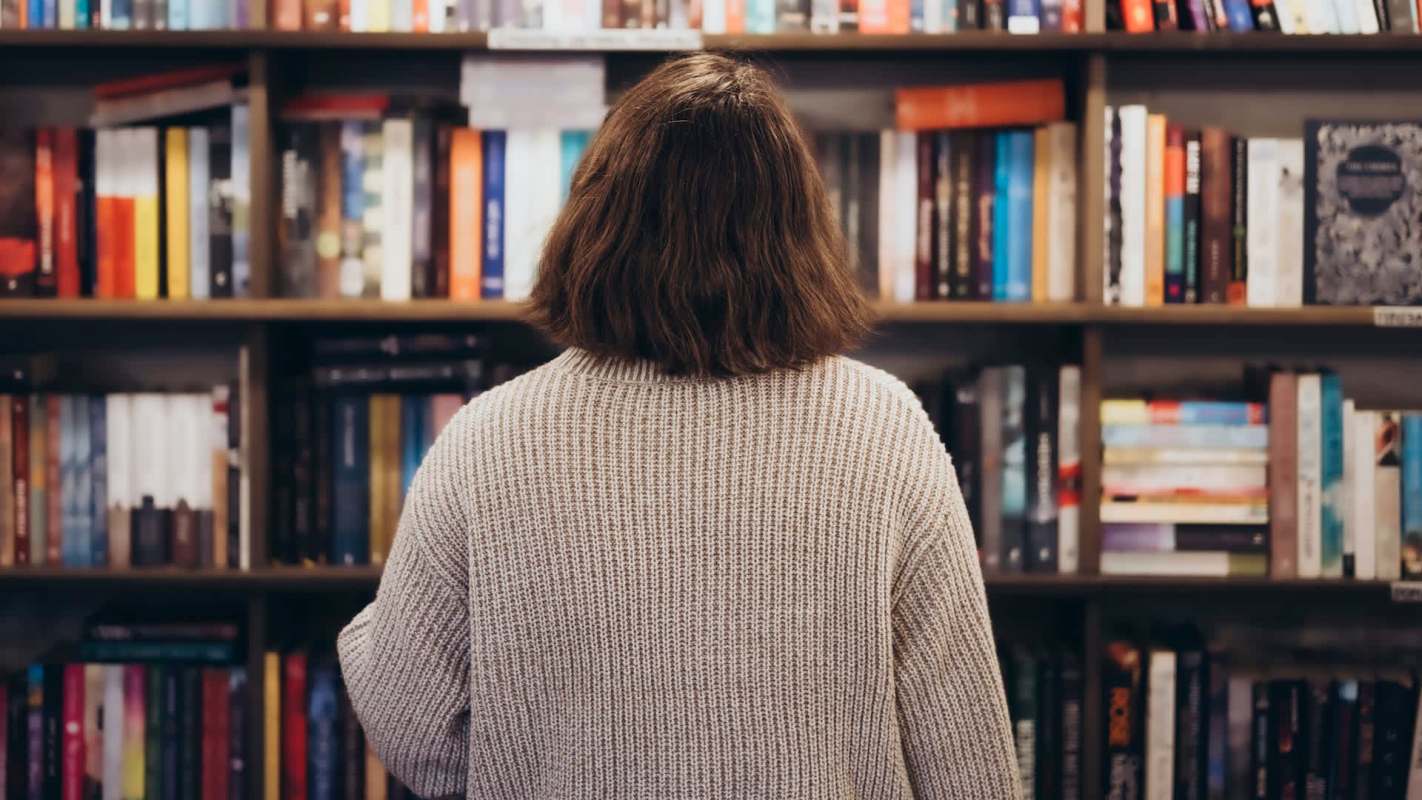
BookTok may be inspiring more people to read, but one Reddit thread suggested the trend is also fueling frustration over something else: the sheer number of books being bought for content.
For people trying to keep their spending, clutter, and waste in check, the question was straightforward: "Can we make libraries cool again?"
What's happening?
On Reddit's r/Anticonsumption, one use lamented how many BookTok creators seemed to treat bookstores like bulk-buying stops.
In the post, the person said that reading more had filled their feed with recommendations, including videos from creators who "will buy 10 at a time like it's nothing."
They also wondered, "How often are these people actually rereading a book?"
The conversation grew into a debate about the line between buying books as part of a meaningful hobby and when it starts to resemble overconsumption shaped by social media.
TCD Picks » Quince Spotlight
💡These best-sellers from Quince deliver affordable, sustainable luxury for all




One commenter put that concern plainly: "Booktok isnt about books, it's about engagement."
Others argued that the issue has less to do with reading itself and more to do with influencer culture.
As one person wrote, "Social media is the root of the problem. People aren't really doing this outside of that."
At the same time, many readers pushed back on the idea that owning books is inherently wasteful, saying they reread favorites, lend them to friends, donate them, or place them in Little Free Libraries.
Why does it matter?
Unfortunately, social platforms can turn nearly any interest into a shopping contest.
Even something as thoughtful and relatively low-cost as reading can become centered on "hauls," collector editions, and bookshelves arranged more for aesthetics than for actual use.
Unread stacks were part of why some commenters said the trend can become expensive fast.
One commenter, who described themselves as a former "book buying addict," said, "My wakeup call was when I calculated how much money I spent on books one year and it was nearly $4,000. (!!!!)"
They added that many of those books remained unread for years.
Libraries are among the few public resources that let people access books, audiobooks, and ebooks without needing to spend heavily. When readers use them, they support a shared system rather than feeding a cycle of trend-driven online buying.
Commenters also pointed to the waste that can surround BookTok-style marketing, separate from the books themselves. They mentioned duplicate special editions and promotional boxes filled with extras that may quickly end up as trash.
What can I do?
A common suggestion in the thread was to let borrowing come first and reserve buying for selected titles.
Several commenters praised tools like interlibrary loan and the Libby app for expanding access when a smaller local branch may not carry a book.
One commenter noted that library "hauls" can actually benefit public systems: "The more check outs a library gets can be a metric for their funding."
Buying used was another popular suggestion. Readers said they turn to thrift stores, used bookshops, yard sales, and book swaps when they want to own copies.
Others said they pass books along after reading through resale, donation, or neighborhood Little Free Libraries.
Some users said the easiest way to make reading feel less like shopping is to leave BookTok behind and spend time in online spaces centered on discussion instead of display.

Get TCD's free newsletters for easy tips, smart advice, and a chance to earn $5,000 toward home upgrades. To see more stories like this one, change your Google preferences here.






