


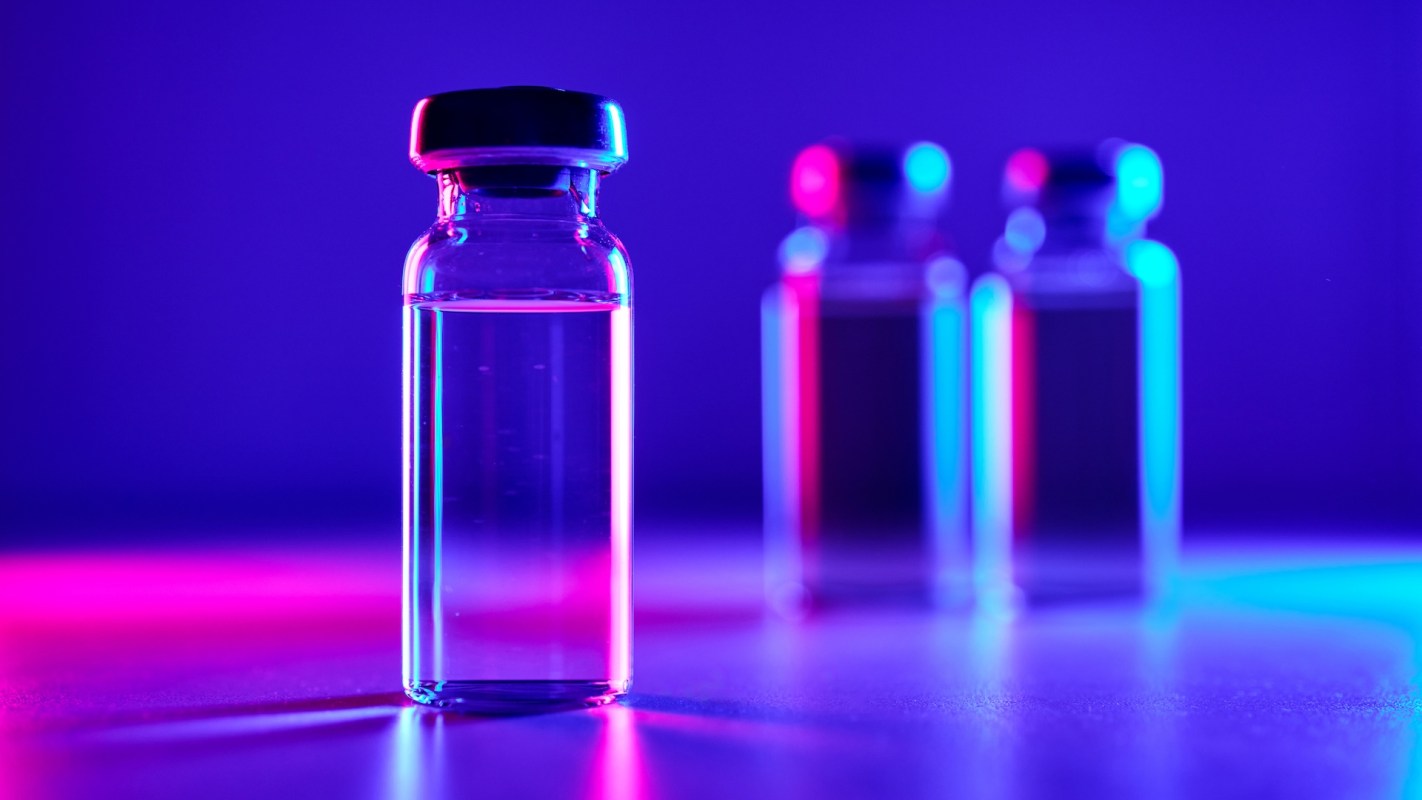
A viral wellness product sold in a Brooklyn bodega is facing renewed scrutiny after lab testing found a troubling mismatch between what shoppers may have expected and what was actually in the vials.
The finding adds to broader concerns about the rapidly expanding peptide market, where sweeping health claims and easy access can outpace regulation.
Here's what to know
None of the four injectable "research use only" peptides that Wired bought from Mister Green, a bodega in Brooklyn, for a little more than $375 in June contained the active ingredient named on the label, according to results from independent testing startup Finrick that Wired received in August.
@wired WIRED tested samples of four types of peptides. The results show how lightly regulated the industry is, even as popularity surges.
♬ original sound - WIRED.COM
The testing did not, however, point to obvious contamination on those measures. Wired reported the samples showed low levels of heavy metals and endotoxins, but that still would have left buyers without the substance they thought they were purchasing — or injecting.
The term peptide covers a wide range of amino-acid compounds that are often marketed in wellness and fitness circles for things like weight loss and injury recovery. Some of the benefits promoted alongside them are backed by limited evidence.
When products marketed for health purposes are lightly regulated and sold in everyday retail settings, it can become much harder for people to distinguish medically reviewed treatments from experimental substances.
TCD Picks » Quince Spotlight
💡These best-sellers from Quince deliver affordable, sustainable luxury for all




More background
Unlike approved drugs, these products have not gone through the standard regulatory review process. Wired said the vials were sold as "research use only" peptides, which cannot legally be sold in the United States for consumption.
Despite that, they can still be relatively simple to purchase both online and in stores. Their visibility and rising popularity can make them appear more mainstream, vetted, or safe than they really are.
Wired said the failed results could have several explanations, including mislabeled products or degradation caused by poor storage. Since the lab tested only for the ingredients that were supposed to be there, it remains unclear what the vials actually contained.
Wired reported that INDR Labs, the company named on the products, did not respond to a request for comment. The outlet also said the company placed its website behind a password after being contacted.
What can be done?
The case points to gaps in oversight of gray-market wellness products and in enforcement around substances not legally intended for human consumption. Independent testing can help show whether marketing claims match what is actually being sold.
Wired reported, "Basically anyone can open a peptide business these days, and it's really easy to buy this kind of product online and in stores."
Where can I learn more?
This case fits into a broader pattern of products that do not always match the safety or purity shoppers may assume. These stories cover heavy metals in protein powders, Food and Drug Administration pressure on food dyes, mercury risks in tuna, and lingering PFAS concerns.
• Clean Label Project found troubling metals in widely consumed health products, challenging assumptions about purity.
• Consumer Reports found a disturbing discovery in protein powders and shakes, with results worsening over time.
• The FDA urged industry to halt use of common ingredients amid continuing food-dye concerns.
• Despite Environmental Protection Agency resistance, research showed persistence of a concerning toxin in products tied to pesticides.

Get TCD's free newsletters for easy tips, smart advice, and a chance to earn $5,000 toward home upgrades. To see more stories like this one, change your Google preferences here.






