


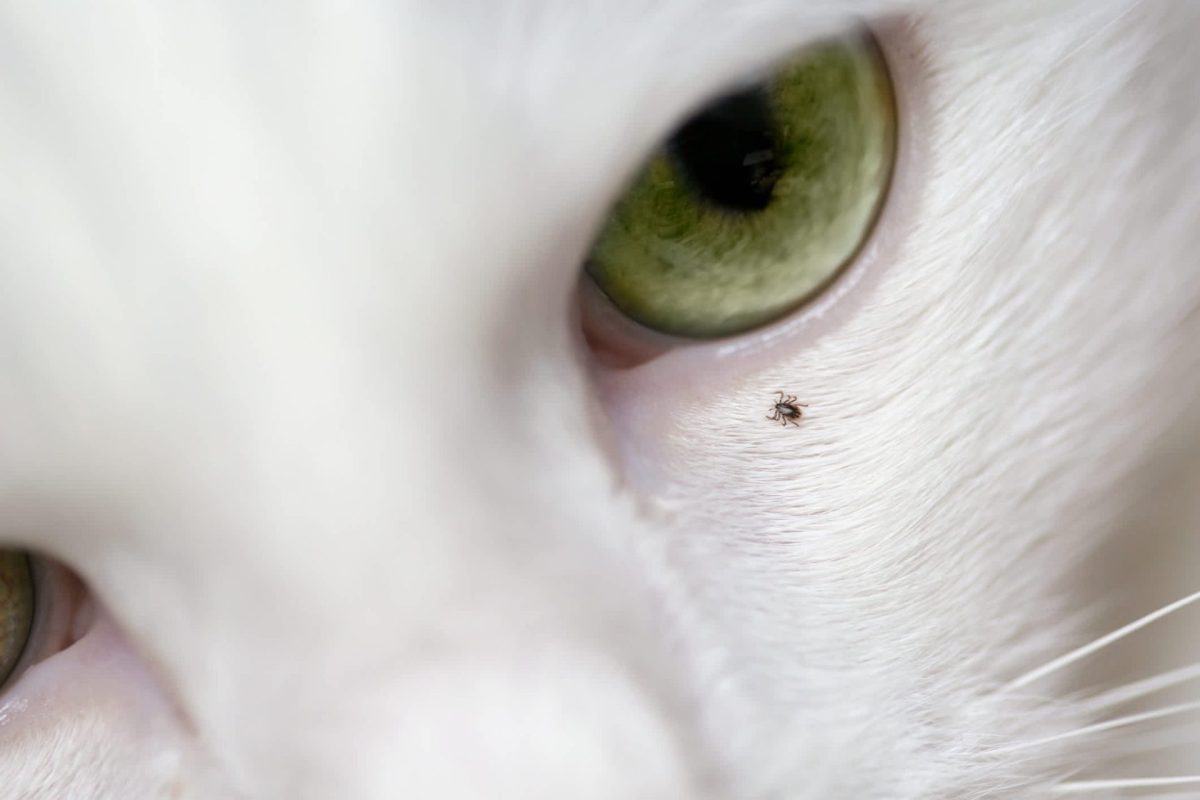
After a Kansas City cat died from a serious tick-borne disease, a local animal welfare organization is urging owners to move quickly if their pets start showing symptoms.
As KMBC reports, the illness at the center of the warning is bobcat fever, a rapidly progressing disease that can become severe within days. That makes the alert especially important for households with cats that go outdoors, even if it is only from time to time.
What's happening?
The station said the Pet Resource Center of Kansas City issued the warning after a local cat named Niko died from bobcat fever, the disease formally known as cytauxzoonosis. The illness is linked to the parasite Cytauxzoon felis, which is spread through infected ticks.
KMBC noted bobcats are the usual host, but domestic cats can also become infected, especially when they spend time outside.
Niko was the Pet Resource Center's first bobcat fever case this year, though area emergency veterinary hospitals have reported other cases as well, the station said.
"Niko's passing serves as a heartbreaking reminder of the importance of prevention and early recognition," the Pet Resource Center declared in a press release cited by KMBC.
TCD Picks » Quince Spotlight
💡These best-sellers from Quince deliver affordable, sustainable luxury for all




Why does it matter?
One reason this disease is so dangerous is that the first signs may appear mild or nonspecific before a cat's condition worsens quickly.
The Pet Resource Center says cat owners should seek immediate veterinary care for symptoms. KMBC listed those as fever, loss of appetite, severe lethargy, breathing trouble, pale or yellow gums, swollen lymph nodes, and dehydration.
"Bobcat fever is a disease we see in cats that progresses rapidly," Pet Resource Center Veterinarian Dr. Goldston told KMBC. "Many cats may appear only mildly ill at first, but within a matter of days they can become critically ill.
The group warned that even a day's delay in treatment can "significantly reduce a cat's chances of survival," according to the station. Kentucky is another state dealing with bobcat fever, as Lex News reported.
What can I do?
To lower the risk, KMBC said owners should keep cats indoors whenever possible, use tick control recommended by a vet, and do careful tick checks after time outdoors.
The station also noted that keeping grass short, clearing brush, and reducing areas where ticks thrive can help reduce exposure. While those steps will not eliminate all risk, they can help lower the odds of exposure.
If a cat seems "off," speed matters. Still, prevention is just as important.
"Prompt veterinary attention is critical, but even with aggressive treatment, the disease carries a high mortality rate," Dr. Goldston cautioned KMBC.

Get TCD's free newsletters for easy tips, smart advice, and a chance to earn $5,000 toward home upgrades. To see more stories like this one, change your Google preferences here.






