


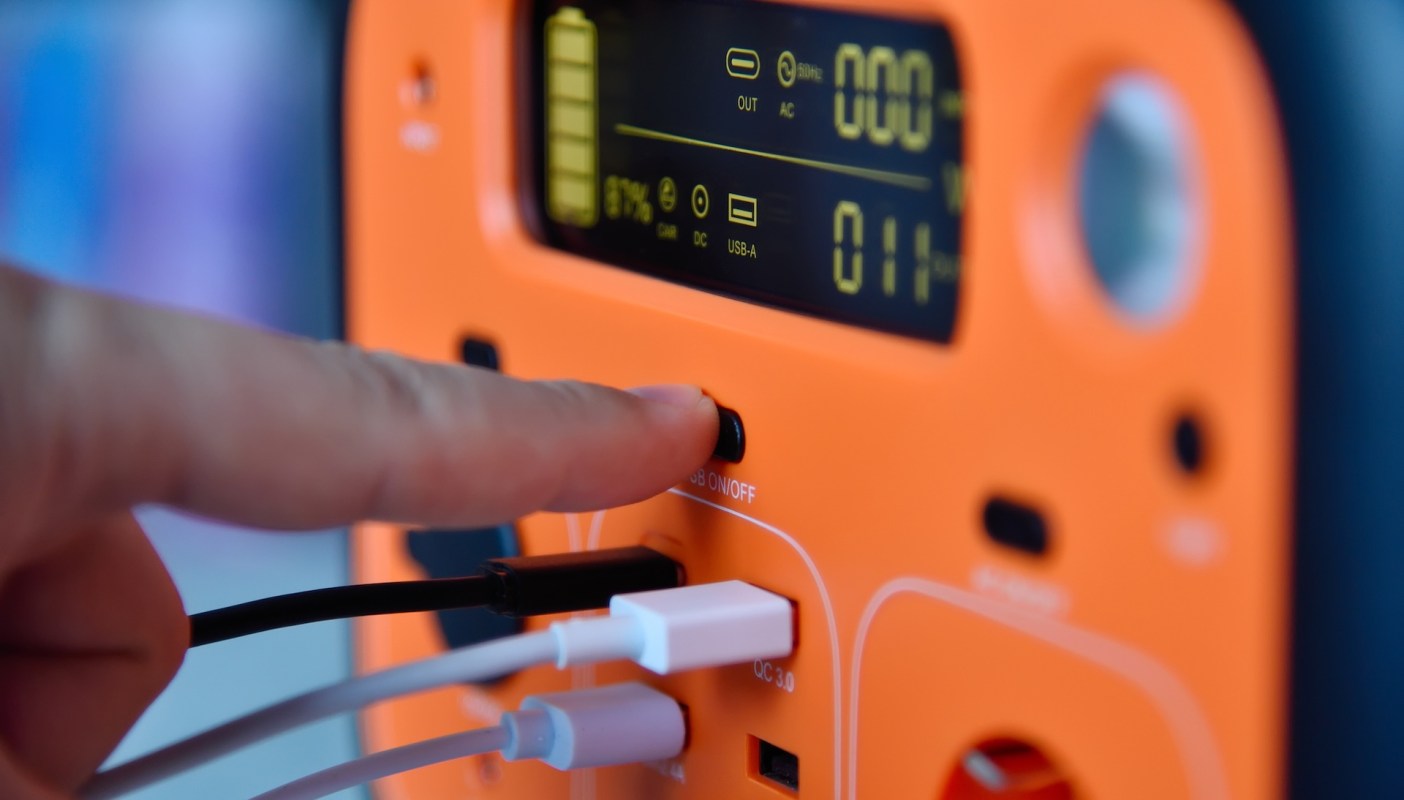
When a hurricane knocks out the power overnight, backup battery specs suddenly feel a lot more important.
One homeowner trying to plan for a nighttime outage found that conflicting efficiency figures were making a purchasing decision much harder. They took to Reddit's r/Bluetti forum for advice.
Here's what to know
In a post on Reddit, the original poster said they are trying to cover essential household needs, including a fridge, freezer, a few lights, and phone charging, for an outage window of about 16 to 18 hours.
Their hesitation centered on the Bluetti Elite 400's efficiency numbers. Bluetti lists 92%, while YouTube testing has produced results ranging from 77% to 96%.
OP wrote, "I was wondering if anyone else could tell me why the efficiency is all over the place and if this is a good buy. Would anyone else have suggestions? I am not tech savvy so I cannot build my own."
Commenters largely put OP's mind at ease with their responses. One wrote, "I didn't notice excessive parasitic draw. The bigger your load, the more efficient." Another added, "I bought the Elite 300 this year and [it] powered my fridge and chest freezer for nearly 18 hours. You should be good to go on the 400."
More background
When it comes to overnight coverage, battery sizing matters more than headline wattage.
Adding battery storage is still one of the best ways to protect your home during outages, save money on energy, and go off-grid. It can also reduce dependence on gasoline during emergencies, cut generator runtime, and help households avoid losses from spoiled food or dead devices when the grid goes down.
Crushed by your bills? See instant solar savings from vetted installers in just a few clicks With energy prices through the roof, there's never been a better time to go solar — and EasyHome can help you find the best prices from the best installers in your area. EasyHome takes the guesswork and headaches out of energy upgrades by showing you estimated savings from a network of vetted local partners. To get started, just enter your ZIP and share a few details about your home — seeing your estimate is really that easy. |

For many families, a battery can offer benefits beyond emergencies as well. Depending on the setup, stored electricity can help reduce utility costs by shifting when power is used, especially in areas with time-based electric rates.
Yet, inverter losses, idle draw, testing methods, load size, and whether someone is measuring AC or DC output can all change the result, which helps explain why one device can produce very different efficiency numbers across different reviews.
For homeowners comparing options, EnergySage is worth exploring for information about home battery storage options, including competitive installation estimates. EnergySage has teamed up with the electrification brand Qmerit to guarantee you get the best price on home battery storage solutions.
Another option is Pila, which offers excellent battery backup choices. Its plug-and-play batteries are priced at a fraction of what a whole-home backup system would cost.
Where can I learn more?
For buyers trying to cover that overnight stretch before a generator can safely start, the real question is often whether a portable power station will do the job or if a home battery is the better fit. The articles explore how homeowners are comparing battery storage, generator alternatives, and backup systems that have been put to the test as outages become more common.
• One Instagram user outlined how battery storage for outages means you'll never experience a blackout again.
• Tesla's Powerwall has shown how home energy storage can blunt longer blackout risks.
• Energy experts are urging families to ditch aging backup generators for battery systems.
They offer helpful context for sizing backup power around real outage needs rather than best-case claims. That matters when the goal is simply getting through the night until other power options are available in the morning.

Get TCD's free newsletters for easy tips, smart advice, and a chance to earn $5,000 toward home upgrades. To see more stories like this one, change your Google preferences here.






