


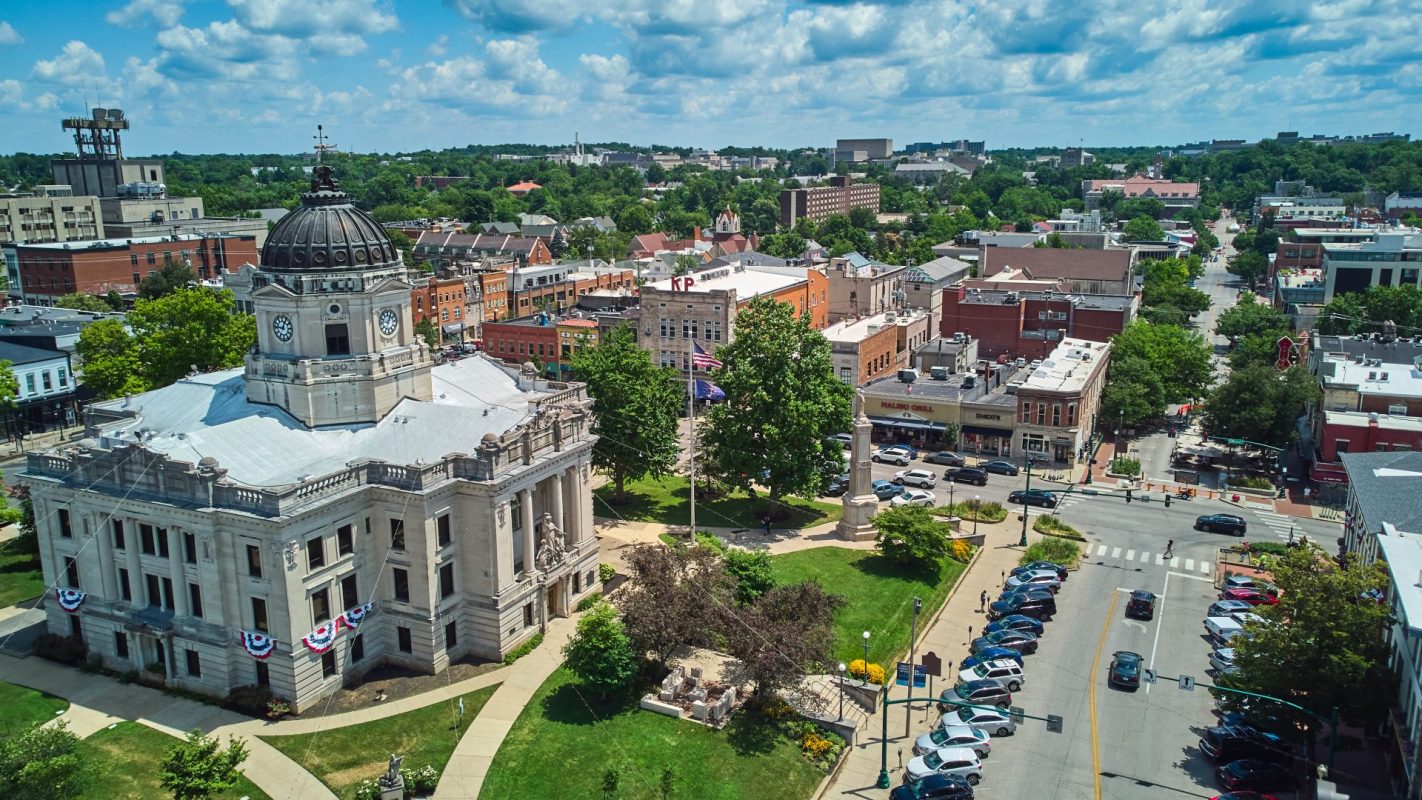
A proposed ordinance in Bloomington, Indiana, is looking to outlaw "superintelligence" inside the city. If adopted, the measure would require more than 95% of Bloomington's registered voters to reverse the ban.
Here's what to know
According to B Square Bulletin, Bloomington City Councilmember Dave Rollo is expected to introduce the ordinance at the council's October 14 meeting. It would add a new chapter to city code aimed at preventing the distribution or use of superintelligent AI in Bloomington. Any final vote would come November 4.
In a five-page memo, Rollo and the council office described the ordinance as a way to protect Bloomington. The memo said the plan is driven by concerns that advanced AI could move beyond human control and create catastrophic dangers, calling it an "interim safety perimeter" until state or federal governments adopt stronger regulation.
The wording also appears to include AI systems that are hosted elsewhere but accessed online from within Bloomington.
Under the ordinance, Bloomington could enforce the ban through civil fines and court orders, and ongoing violations could bring penalties of up to $2,500 a day under the city's general rules.
More background
This would be Rollo's third attempt since 2023 to push government action on advanced AI.
TCD Picks » Quince Spotlight
💡These best-sellers from Quince deliver affordable, sustainable luxury for all




In July 2023, he introduced a nonbinding resolution seeking a pause on artificial general intelligence development until it was shown to align with human well-being. He later withdrew it after concerns were raised — including those by Indiana University over possible effects on research funding — and after it became clear there were not enough votes for it to pass.
Then, on June 10, the council unanimously backed another resolution asking elected officials to address artificial general intelligence risks and urging a federal moratorium unless safety could be assured.
The latest proposal would put a direct local ban into municipal law. However, one of the biggest criticisms is that the proposal does not clearly explain who would decide when a system qualifies as prohibited "superintelligence."
The definition includes systems described as able to rewrite their own algorithms, execute code beyond restricted environments, or function without constant human oversight. It also ends with what the ordinance describes as the AI industry's standard terminology, defining AI as "any intellect that greatly exceeds the cognitive performance of humans in virtually all domains of interest."
Legal reach is another major question. Because the ordinance defines deployment to cover use through a browser, API, or local hardware in Bloomington, both a resident using a site from home and the company offering the tool could theoretically fall under the law.
What's being done?
The ordinance would sunset 91 days after Indiana adopts a law establishing a "comprehensive framework for Provably Safe Superintelligence," and is being framed less as a permanent city tech code and more as leverage for broader government action.
Several legal issues remain unsettled, including Bloomington's authority over technology provided from outside city limits, state laws that may limit local control over referendums and private civil litigation, and the fact that future city councils could likely repeal the ordinance through the ordinary legislative process anyway.
Rollo's memo said the proposal is meant to prompt action beyond Bloomington, saying, "If those (approximately 350) cities passed similar ordinances in the coming weeks or months, this would create a massive regulatory burden for companies creating ASI."
Where can I learn more?
Bloomington isn't the only place grappling with how to limit AI expansion or respond to its risks.
• In Walton County, Florida, commissioners unanimously approved an AI data center ban before state rules arrive.
• In Congress, a proposal to block state AI limits quietly kept advancing.
• Across the U.S., fears over jobs, power demand, and security are driving backlash against AI.
• In California, lawmakers proposed water-use transparency rules as data centers strain local planning.

Get TCD's free newsletters for easy tips, smart advice, and a chance to earn $5,000 toward home upgrades. To see more stories like this one, change your Google preferences here.






