


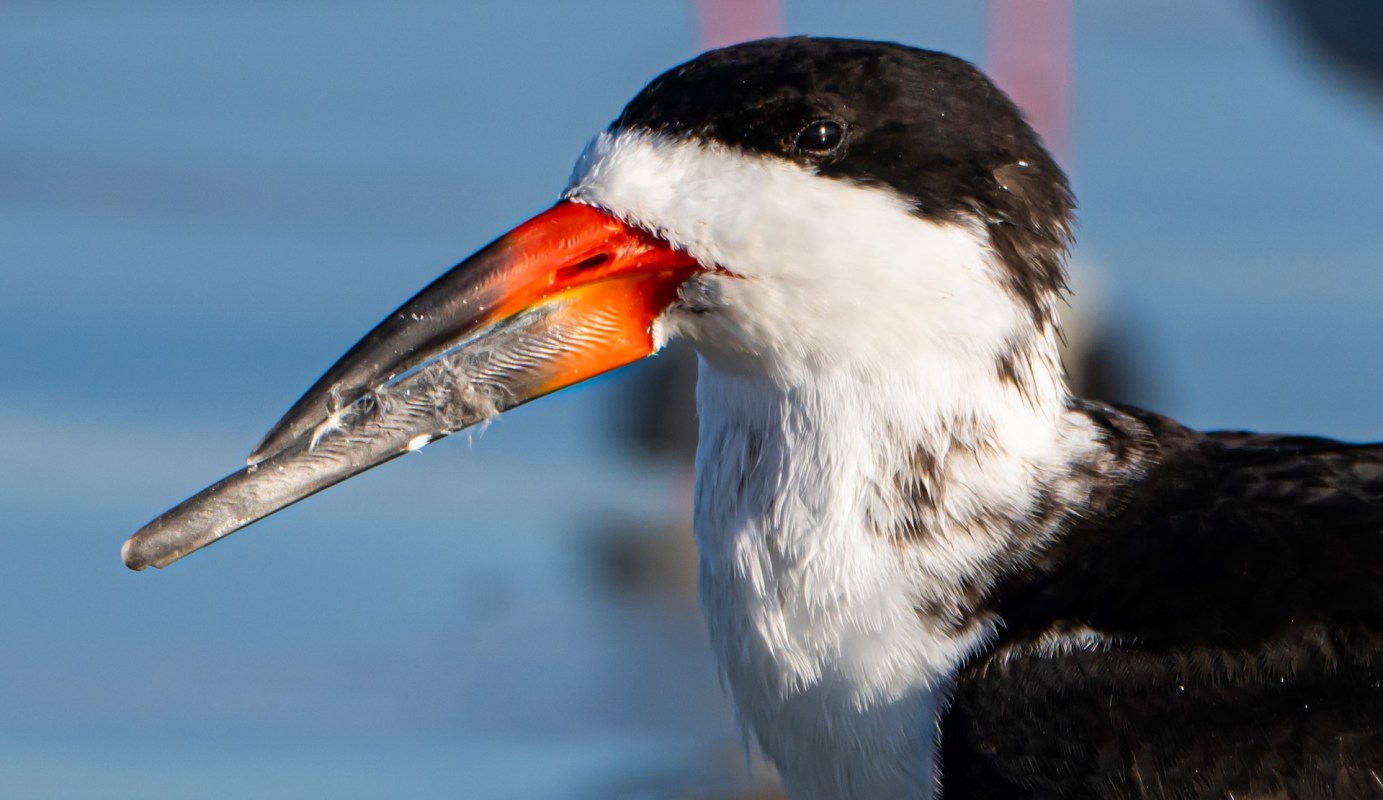
After more than 160 black skimmer chicks died in Texas nesting colonies during the summers of 2022 and 2023, researchers looking into the losses found an unexpected clue. The familiar Gulf Coast bird was carrying a parasite never before reported in black skimmers and possibly not yet formally described by science.
What happened?
Published in PLOS One and summarized in Phys.org, the study traces the recurring chick losses to a parasite in the Eimeria group, which usually infects animals' digestive tracts. The investigation was carried out by a cross-disciplinary team from Texas A&M University, the Gulf Coast Bird Observatory, and other collaborators working in coastal colonies.
Tiny white spots seen on the kidneys of several chicks helped steer the investigation. Researchers then used genetic testing on tissue from the kidneys, cloaca, and small intestine and identified two previously undocumented forms of the parasite.
Dr. Laura Bryan, a clinical associate professor in the Texas A&M College of Veterinary Medicine and Biomedical Sciences Department of Veterinary Pathobiology, said: "To the best of our knowledge, this is the first report of Eimeria infection in black skimmers."
For now, the team has not concluded that the parasite by itself killed the birds. As Dr. Jacquelyn Grace, an assistant professor in the Texas A&M Department of Ecology and Conservation Biology, explained, "It's really hard to tell what caused the death because these are wild birds with a lot happening at once."
Why does it matter?
The discovery adds another concern for a bird that has already been declining for years. If chicks die before they can fledge, colonies may have a harder time rebounding, with possible effects on coastal ecosystems that nearby communities depend on for recreation, tourism, and healthy fisheries.
TCD Picks » Quince Spotlight
💡These best-sellers from Quince deliver affordable, sustainable luxury for all




Habitat changes may be contributing as well. Grace said black skimmers are increasingly nesting on artificial islands created from dredged sediment near shipping channels instead of more widely distributed natural sites. "We think these populations are probably denser than they were naturally," she said, suggesting that crowding may make it easier for disease to spread.
Contamination is also on researchers' list of possible pressures. "We've seen higher amounts of heavy metals in the skimmers," Grace said. If habitat disruption, pollution, and disease are all stressing wildlife at the same time, that could make progress toward cleaner, more resilient coasts harder for both birds and people.
What's being done?
Monitoring of the colonies is continuing, building on banding efforts that started in 2018. That work helped show that some chicks that appeared well fed were still failing to fledge.
Parasitologist Dr. Guilherme Verocai said younger birds could be especially susceptible because their immune systems are still developing. The team is now seeking more samples and funding to learn more about how the parasite spreads and whether adult birds may carry it without showing obvious signs of illness.
"Parasitism is a successful lifestyle in nature," Verocai said. "If we can figure out whether something in the environment is contributing to the disease, that might be easier to modify than trying to treat a whole bunch of birds," Grace said.

Get TCD's free newsletters for easy tips, smart advice, and a chance to earn $5,000 toward home upgrades. To see more stories like this one, change your Google preferences here.






