


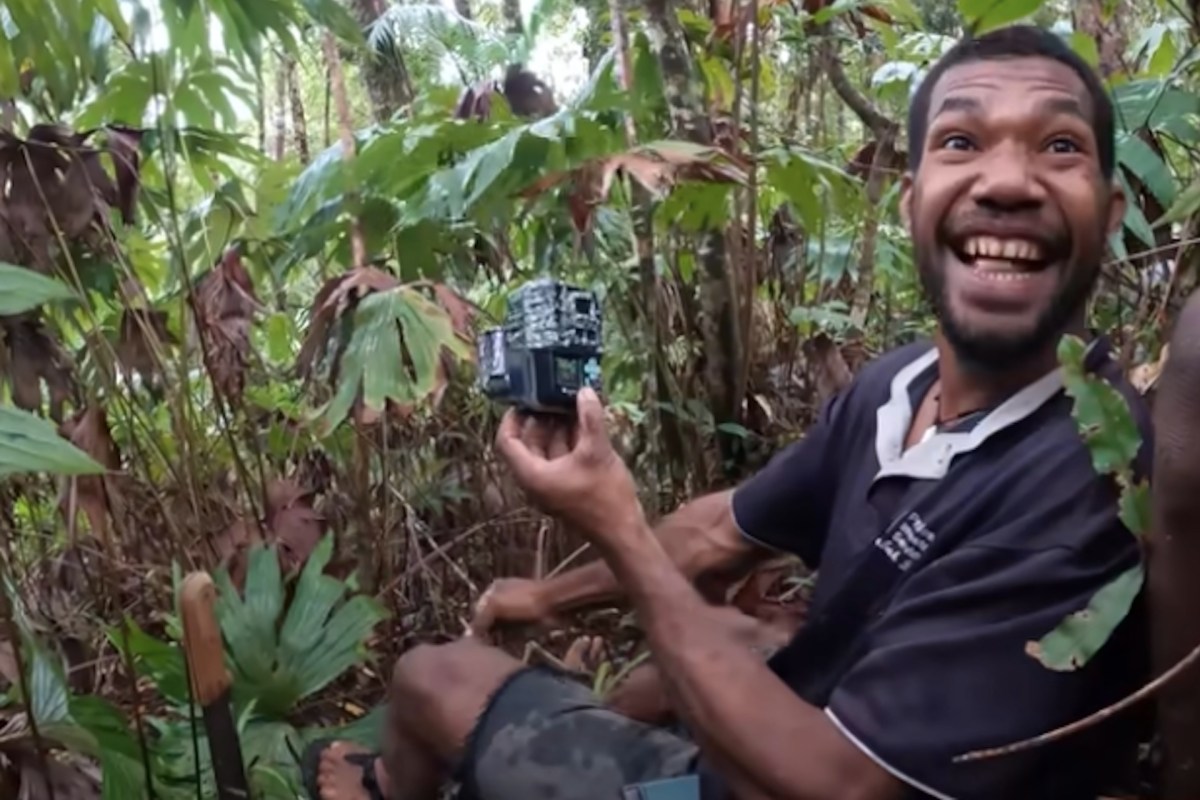
A camera trap on Fergusson Island in Papua New Guinea produced the first scientific confirmation in 140 years of the black-naped pheasant-pigeon. Even a brief image showed that the elusive ground bird, known locally as Auwo, still survives.
What happened?
Scientists confirmed the species' survival during a 2022 expedition that spent a month moving through Fergusson Island's rugged, heavily forested landscape. The bird had not been scientifically documented since 1882, according to Fstoppers.
Cornell Lab of Ornithology co-leader Jordan Boersma filmed the moment Papua New Guinean biologist Doka Nason spotted the bird on a camera-trap screen. In the footage, both men repeatedly shout, "Auwo," the name local communities use for the species.
Fstoppers said residents helped the researchers focus the search, and a major breakthrough came from Augustin Gregory, a hunter from Duda Ununa village. He described having seen the bird and hearing a call similar to those of other pheasant-pigeon species in New Guinea.
Gregory then guided the team to a densely overgrown ridge about 3,200 feet above sea level. Because the steep slopes and thick understory made direct sightings extremely difficult, the researchers set camera traps there, and those cameras eventually recorded the long-lost bird.
Why does it matter?
Finding the black-naped pheasant-pigeon again shows that a species can persist even after disappearing from scientific records for generations.
TCD Picks » Quince Spotlight
💡These best-sellers from Quince deliver affordable, sustainable luxury for all




Still, being found again does not mean the bird is secure. Fstoppers reported that the species is limited to Fergusson Island. Researchers think only a small population remains, and logging, habitat loss, and introduced predators may threaten what is left of the bird's population.
The search also showed that local expertise can reveal wildlife that high-tech equipment alone might not have located.
Healthy ecosystems help support food systems, water quality, and climate resilience, and conservation efforts rooted in local leadership tend to be more durable and equitable for the people living closest to the land.
What's being done?
Researchers now have something they lacked for more than a century: proof that the species is still alive and a clearer sense of where it survives. That gives conservationists a stronger foundation for future surveys and habitat protection.
The rediscovery also shows how useful remote camera systems can be in difficult terrain. Motion-activated cameras can operate for weeks without disturbing wildlife, making them especially effective for tracking shy or ground-dwelling animals in dense forests.
Even so, the effort depended on more than equipment. Guidance from Fergusson Island communities helped determine where the camera traps should be placed.

Get TCD's free newsletters for easy tips, smart advice, and a chance to earn $5,000 toward home upgrades. To see more stories like this one, change your Google preferences here.






