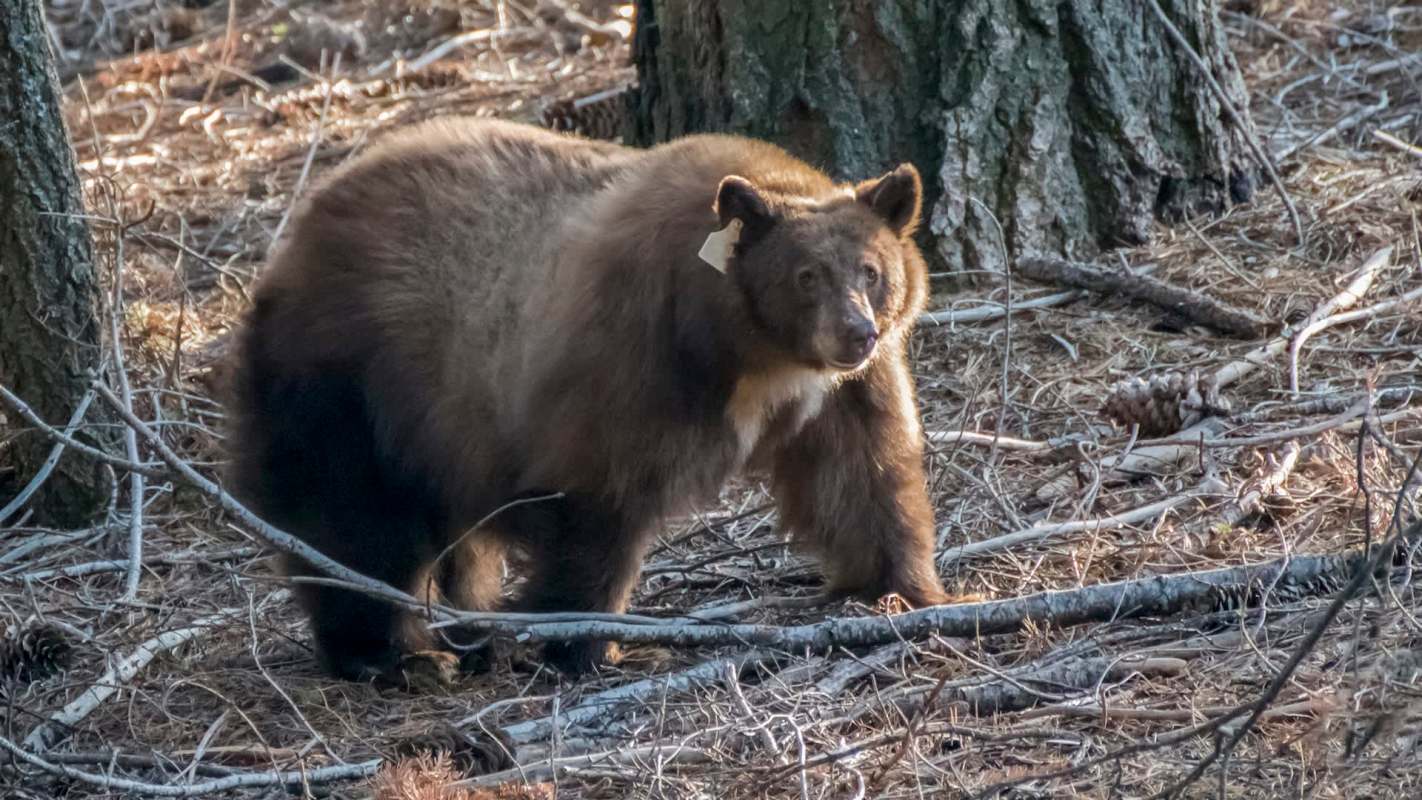
New research out of Virginia may help society better understand black bear hibernation.
While scientists have long treated falling temperatures as the primary cue for bears to enter hibernation, the study, published in the peer-reviewed journal Proceedings of the Royal Society B: Biological Sciences, suggests American black bears may be responding to several environmental changes at once rather than the cold alone.
Here's what to know
After reviewing more than 22,000 hours of video of wild bears, researchers saw that temperature remains important, yet it was not the only factor driving when bears hibernate.
During the major shifts into and out of hibernation, daylight length also appeared to matter, according to Popular Science's coverage of the study.
At Virginia Tech's Black Bear Research Center, the researchers tracked several pregnant female black bears from the wild through multiple stages of hibernation. They then used the footage to sort through 45 distinct behaviors and compare them with conditions including temperature and photoperiod, the amount of daylight in a given day.
Their findings suggest that temperature alone does not explain bear behavior across the full hibernation cycle. At the beginning of hibernation, temperature was the dominant factor. But during other important periods, including pre-hibernation feeding and den emergence, temperature and daylight appeared to work in tandem.
TCD Picks » Quince Spotlight
💡These best-sellers from Quince deliver affordable, sustainable luxury for all




The researchers wrote, "To our knowledge, no studies have investigated the interplay between photoperiod and temperature in bear hibernation ecology," underscoring the importance of this study.
More background
Day length stays consistent from year to year, while temperatures can vary more dramatically as climate change warms our planet. If those two signals begin to drift apart, black bears could receive mixed cues about when to feed heavily, enter dens, or emerge.
As the researchers explained, "if black bear hibernation is primarily driven by photoperiod, then climate change may not strongly affect black bear hibernation schedules, even as temperatures increase."
Changes in hibernation timing may affect ecosystems, alter food-web relationships, and increase the likelihood of human-wildlife interactions if bears stay active longer or emerge under unusual conditions. But it's not exactly certain how the mismatch will impact bears and their hibernation.
For people living near bear habitat, shifts could become more noticeable in daily life through more frequent encounters around neighborhoods, roads, campsites, or unsecured food sources. Better predictions about bear behavior can help communities prepare, reduce conflict, and support conservation efforts.
Where can I learn more?
The Virginia findings fit into a broader pattern of bears responding to environmental change alongside growing human pressure. Across species and regions, shifting habitats, changing behaviors, and population pressures are making bear ecology more complex.
• In the Canadian Rockies, urban sprawl is making life significantly harder for grizzly bears.
• Across the Arctic, a desperate survival mechanism is reshaping how some bears hunt.
• In Alaska, new polar bear estimates are deepening concern about climate-driven decline.
From the Arctic to the Rockies, the pressures look different, but the pattern is similar: Climate change and development are reshaping how bears live. That wider view helps put the Virginia research in context and shows why better predictions about bear behavior matter.

Get TCD's free newsletters for easy tips, smart advice, and a chance to earn $5,000 toward home upgrades. To see more stories like this one, change your Google preferences here.