


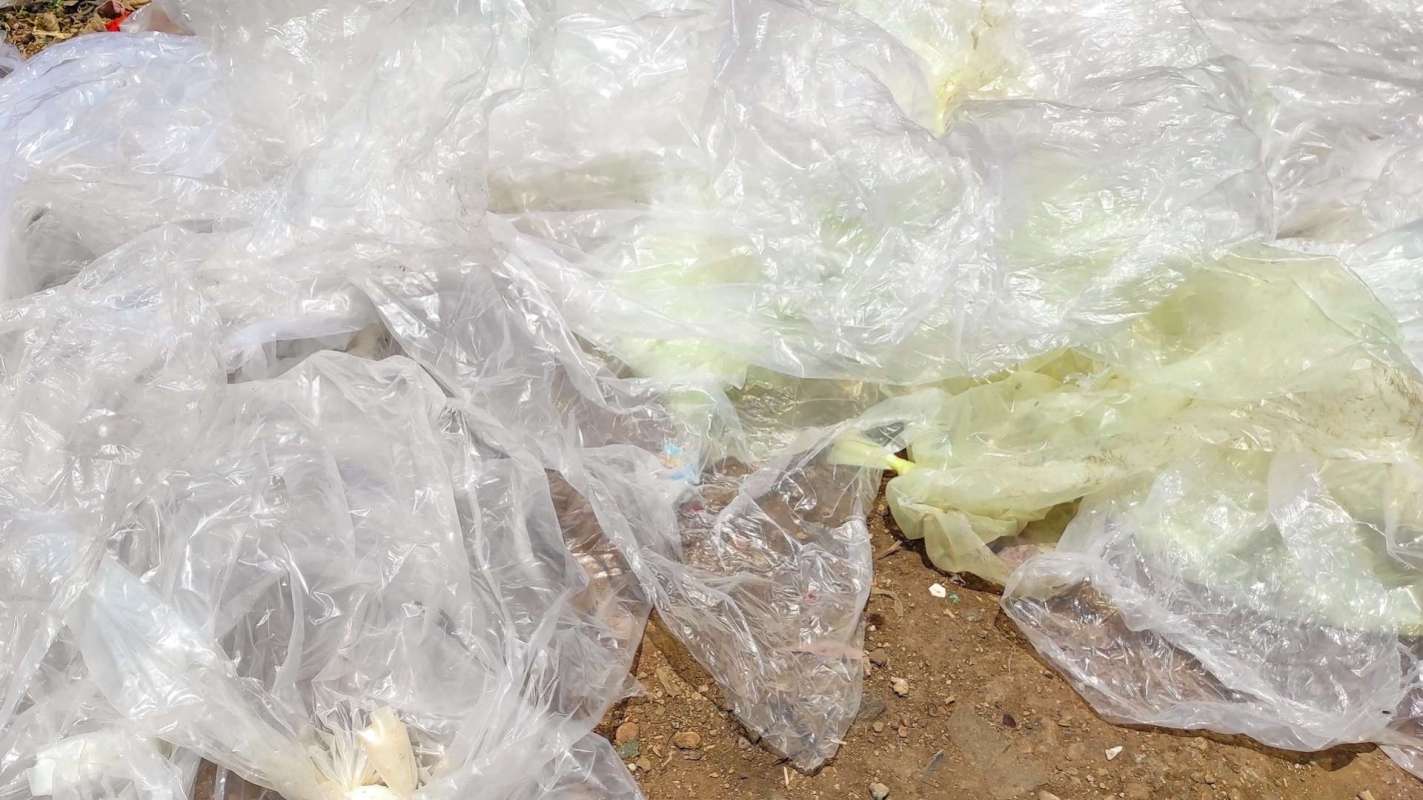
Some of the world's most persistent plastics may not have to remain in the environment for centuries after all.
A Malaysia-led research team found that treated polyethylene and polypropylene fully broke down in soil within two years, and said the process did not produce microplastics.
What's happening?
In a special edition of Materials Degradation, researchers reported that common plastics made with Polymateria's Biotransformation technology turned into a "bioavailable wax" soon after environmental exposure.
According to New Straits Times, the work involved Malaysia's Standards and Industrial Research Institute (SIRIM), Imperial College London, and the biotechnology firm Polymateria.
The researchers said no special industrial composting system was needed. Once the wax formed, soil microbes consumed it much as they would natural oils or butter, leaving none of the original plastic behind.
The finding applied to polyethylene and polypropylene, packaging plastics widely used in items such as cups, straws, bags, films, face masks, and wipes.
TCD Picks » Quince Spotlight
💡These best-sellers from Quince deliver affordable, sustainable luxury for all




"It proves that common plastic materials can fully biodegrade in the open terrestrial environment," Dr Florence Huynh, Polymateria, vice president of innovations and lead author of the study, said in a statement.
Why does it matter?
Polyethylene and polypropylene are everywhere in everyday life. When bags, wrappers, and other single-use products slip past waste collection systems, they can persist in the environment for hundreds of years, gradually breaking down into smaller and smaller fragments.
Because this material reportedly biodegrades completely instead of forming microplastics, it could reduce a major source of pollution in soil and waterways. Plastic particles can move through the broader environment and potentially enter food systems.
The researchers said the study could help address the 32% of plastic packaging waste that ends up escaping into the environment worldwide each year, New Straits Times reported. If products already familiar to consumers become less environmentally damaging when littered or improperly discarded, that could ease cleanup burdens for communities and support healthier public spaces.
At the same time, the study presents biodegradable plastics as a practical tool rather than a cure-all, giving consumers and brands another sustainable packaging option without requiring an entirely new approach to everyday products.
What's being done?
Sirim senior researcher Muhammad Zuhayr Dzul Haimi said the results show why material innovation should expand alongside stronger waste systems. Better plastics can help, but so can reducing waste, reusing products, and improving recycling.
The technology is already moving beyond the lab. The New Straits Times reported that over 300 Asian brands, including Malaysian companies, have adopted Biotransformation technology. It is also in place at around one-fourth of U.K. Premier League grounds, and the rollout has reached emerging African markets.
For shoppers, the takeaway is twofold: support products that use credible alternatives when available, and keep cutting unnecessary plastic where you can. Reusables still matter, and people who want to lower household waste can check out the TCD Guide's page on choosing plastic-free options for everyday products for more ideas.

Get TCD's free newsletters for easy tips, smart advice, and a chance to earn $5,000 toward home upgrades. To see more stories like this one, change your Google preferences here.






