


Concrete underpins modern construction, but the cement inside it carries a heavy carbon cost. Researchers in India now report that material made from processed human waste might both toughen concrete and reduce how much cement it needs.
Here's what to know
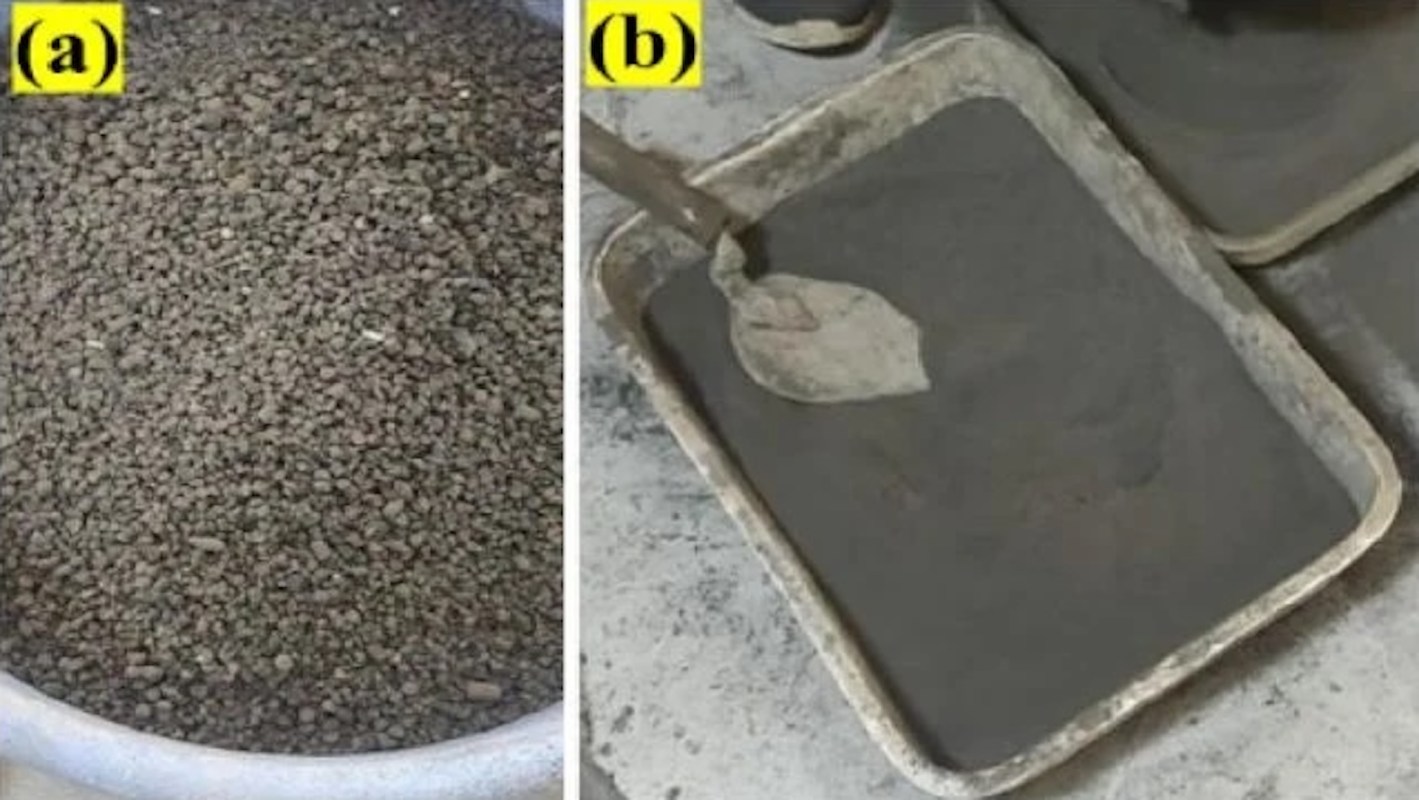
Working at Manipal University Jaipur, civil engineer Raghuvesh Tiwari and colleagues made biochar from treated fecal sludge collected at a plant in Warangal, India, then blended it into standard concrete mixes at 5%, 10%, and 15% cement replacement levels, ScienceAlert reported.
By day 91, the mixes with 10% biochar showed the biggest boost in flexural strength, up 42%, while compressive strength was 21% higher. Concrete with 5% biochar also outperformed the standard mix, averaging a one-fifth gain in compressive strength and a 36% increase in flexural strength.
Because cement manufacturing ranks among the world's biggest contributors to carbon pollution, finding a way to swap in even a limited amount of waste material without hurting performance could reduce pollution.
According to the researchers, the best mixes also took up less water, had lower porosity, and shrank less as they dried than conventional concrete. In practice, those traits could translate to structures that need fewer repairs and stay in service longer.
More background
Improving concrete is tricky because small formulaic adjustments can undermine strength and durability.
TCD Picks » Quince Spotlight
💡These best-sellers from Quince deliver affordable, sustainable luxury for all




One possible explanation is that the porous biochar behaves as tiny reservoirs inside the mix, soaking up water and then releasing it over time as the concrete cures. That steady moisture may aid the reactions that make the material harden.
The team also said the biochar carries silica that can react with curing products to form additional calcium silicates, which contribute to strength. Its fine texture may help in a second way too, by filling microscopic voids and creating a denser internal structure.
At the 15% replacement level, the material continued to strengthen over time, but it did not match the overall performance of the 5% and 10% versions. Microscopic analysis of that higher-biochar concrete revealed more cracking, more pores, and weaker bonds.
What's being done?
Fecal sludge treatment plants already operate in India to process human waste safely, as ScienceAlert reported. Using some of that treated material in concrete could turn an existing sanitation stream into a useful construction input.
If the approach can be shown to work safely at large scale, it might eventually be used in roads, homes, and public buildings that require less cement. Concrete that lasts longer could also reduce upkeep costs and improve day-to-day infrastructure reliability.
The researchers cautioned, however, that broader use will require more testing, including how the concrete holds up under freezing and thawing, salt exposure, and temperature extremes.
They also flagged an unresolved issue around heavy metals present in sewage sludge. The study did not determine whether those substances would stay locked inside the concrete or seep out later.
In a paper accepted for publication in Scientific Reports, the researchers wrote that the material "yields significant improvements in concrete properties."
Where can I learn more?
Other researchers and companies are trying similar ideas with different waste streams, looking for ways to cut cement use without weakening the final product. Their work shows how discarded materials can end up in building products that are both stronger and lower impact.
• In China, scientists turned hazardous municipal waste into stronger, lower-pollution concrete for construction.
• CRDC's Resin8 process blends discarded plastic into a concrete additive that cuts landfill waste.
• At Circular 11, engineers mold trash into bricks stronger than concrete for building use.
Across those efforts, the same theme keeps surfacing: waste can become a real construction material.

Get TCD's free newsletters for easy tips, smart advice, and a chance to earn $5,000 toward home upgrades. To see more stories like this one, change your Google preferences here.






