


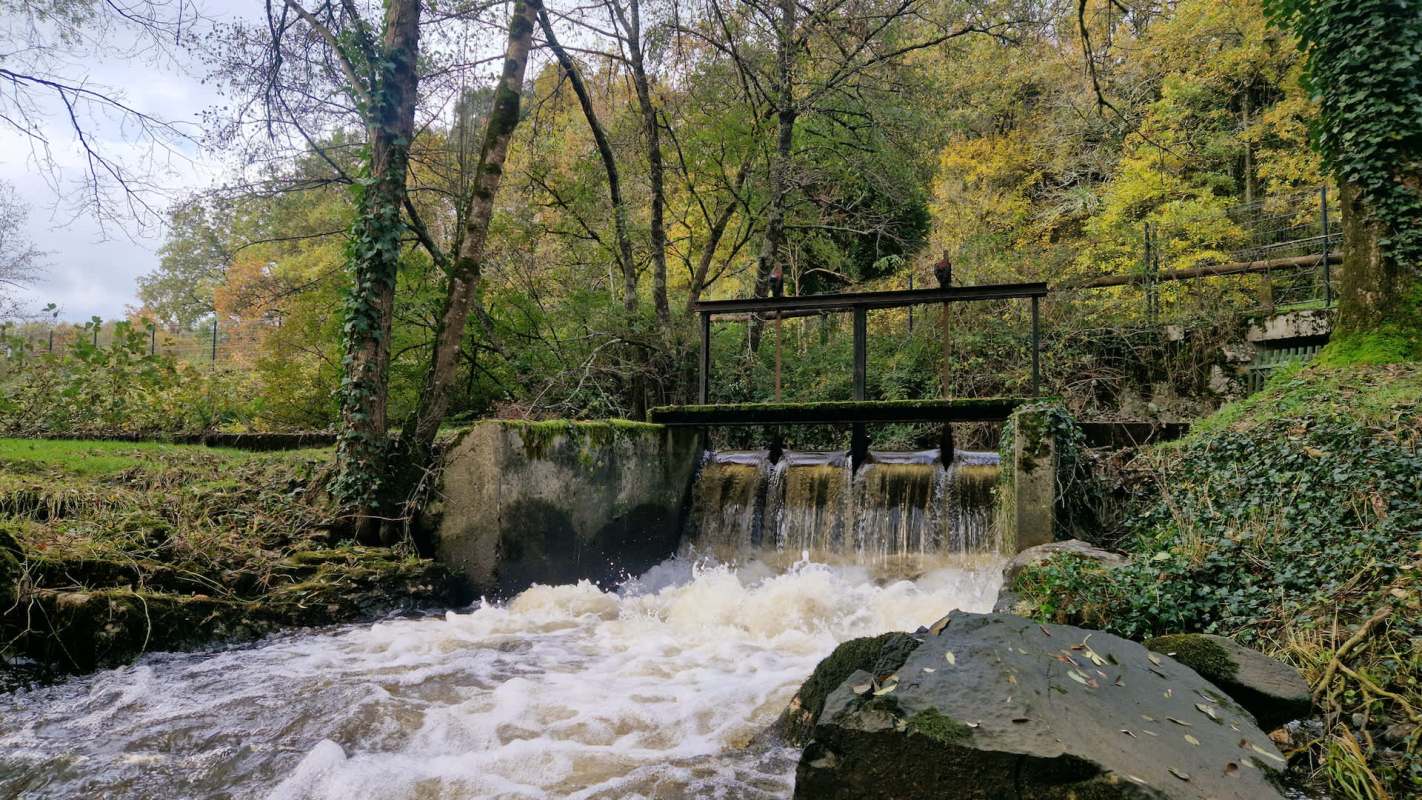
Old or undocumented dams that still sit in rivers and streams may seem like no big deal, but in reality, they are some of Berkshire County's biggest flood threats.
Because many have never been officially inventoried, these dams are hiding in plain sight.
A grant-funded initiative led by Berkshire Environmental Action Team in western Massachusetts aims to locate those "ghost dams" and identify where intensifying storms could make them a danger to nearby communities.
Here's what to know
According to The Berkshire Eagle, Berkshire Environmental Action Team, the Berkshire Regional Planning Commission, and other conservation partners are launching a countywide effort to document dams, including structures that may have been forgotten over time.
The term refers to older or undocumented dams that remain in local waterways without ever being formally recorded. BEAT said that when communities are unaware that the structures exist, they cannot fully understand the risks they carry.
As climate change brings more intense precipitation events, poorly understood dams could become much riskier.
TCD Picks » Quince Spotlight
💡These best-sellers from Quince deliver affordable, sustainable luxury for all




The organization said those aging dams can also interfere with fish and other aquatic life.
"We know there are old dams out there that aren't on any maps," Berkshire Regional Planning Commission Principal Planner Courteny Morehouse said. "Finding them gives our communities and our region a better understanding of what's in our watersheds and where risky infrastructure exists, especially as heavier rain and larger storms become more common."
More background
The effort aims to assemble a full countywide list of dam sites, including ones that may have slipped from memory, rather than focusing only on dams that are already documented.
That approach will give local governments a complete picture and help them better understand their watersheds and the infrastructure hazards within them.
BEAT said forgotten dams can disrupt the movement of fish and other aquatic species through rivers and streams, so locating them could support future restoration efforts.
What's being done?
BEAT will run both the technical side of the project and its public outreach, taking charge of data collection, mapping, and community engagement across Berkshire County.
Researchers will identify possible ghost-dam sites through a mix of archival research, citizen science, and satellite imagery analysis. Input from residents, recreationalists, and historical societies is also expected to help direct researchers toward potential dam locations.
Researchers will also use ResilientMass climate data to gauge flooding potential at those locations. That analysis will help show which structures deserve closer study and which could eventually become candidates for removal.
After site visits verify whether suspected locations contain dams and document the condition of any structures found, BEAT plans to publish a comprehensive countywide map. The organization also plans to create outreach materials with information and resources for private dam owners.
For BEAT Executive Director Brittany Ebeling, the project could set a standard for similar projects across the region: "Across the Northeast, communities are seeking to adapt to a changing climate that brings extreme drought and flood risk. Yet we cannot fully address the risk without understanding its breadth. This project will not only lay the groundwork for ecological restoration initiatives in the Berkshires, but will create a methodology for other regions to adapt to their own context."
Where can I learn more?
These stories look at communities elsewhere that are dealing with similar problems from aging or overlooked dams
• In the Northeast, restoration crews learned there was a dam there hidden in a stream.
• Trout streams rebounded after removing restrictive dams that had choked habitat for years.
• On Maine's Penobscot River, toppling dams that were in place for decades helped revive fish runs.

Get TCD's free newsletters for easy tips, smart advice, and a chance to earn $5,000 toward home upgrades. To see more stories like this one, change your Google preferences here.






