


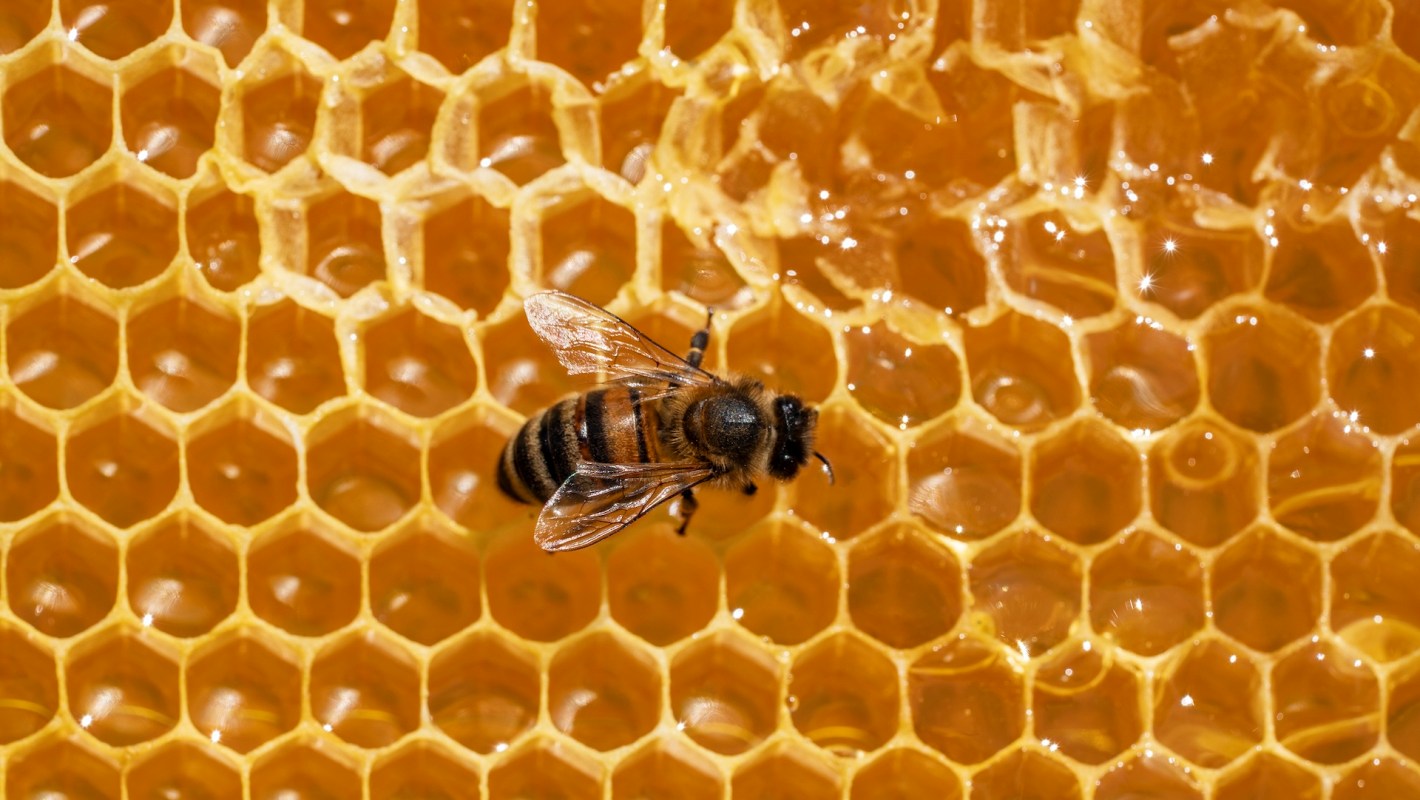
A TikTok posted by beekeeper Homer's Honeybee (@homers_honeybee) is giving viewers a fresh appreciation of what goes into every spoonful of honey.
"Over the course of her life, a worker bee makes only about 1/12 of a teaspoon of honey," the video explained.
@homers_honeybee Honey production is one of the most labor-intensive processes in nature. A single worker bee will produce roughly 1/12 of a teaspoon of honey in her lifetime. That means it takes thousands of bees working together to produce a single jar. From foraging nectar to processing and storing it inside the hive, every step requires energy and coordination. This is why honey has been valued for centuries. Understanding the work behind it changes how you see it. If you enjoy learning about bees and how they work, follow along. #honeybees #beefacts #rawhoney #beekeeping #pollinators ♬ original sound - Homers Honeybee
What happened?
Using footage of a single bee on a fingernail, the post highlights how much collective labor goes into making honey.
"Honey production is one of the most labor-intensive processes in nature," the caption reads.
A single jar of honey represents the work of thousands of bees. To produce it, a colony must collect nectar from countless flowers, then process, transform, and store it in the hive — a process that requires immense effort, energy, and coordination from the entire colony.
The creator added that this is why honey "has been valued for centuries."
TCD Picks » Quince Spotlight
💡These best-sellers from Quince deliver affordable, sustainable luxury for all




Why does it matter?
Videos like this reveal the complex ecosystems that support pantry-staple foods that we may often take for granted. In addition to providing honey, bees help pollinate crops and flowering plants, supporting agriculture and biodiversity.
That tiny lifetime output also puts the value of honey in perspective. If one worker contributes only a small fraction of a teaspoon, then a full jar reflects the combined effort of an enormous number of bees.
According to the United Nations Environment Programme, a few actions you can take to ensure bee populations are protected include planting flowers that produce nectar, using your outdoor space to set up a pollinator farm, avoiding harmful pesticides, and buying honey from local beekeepers.
What are people saying?
TikTok viewers were in awe of the bees and their work.
"Amazing little creatures for sure," one commenter wrote.
"Honey is not just food," Homer's Honeybee added. "It's … lifetimes of effort."
Another summed it up simply: "Yes! #saveourbees."

Get TCD's free newsletters for easy tips, smart advice, and a chance to earn $5,000 toward home upgrades. To see more stories like this one, change your Google preferences here.






