


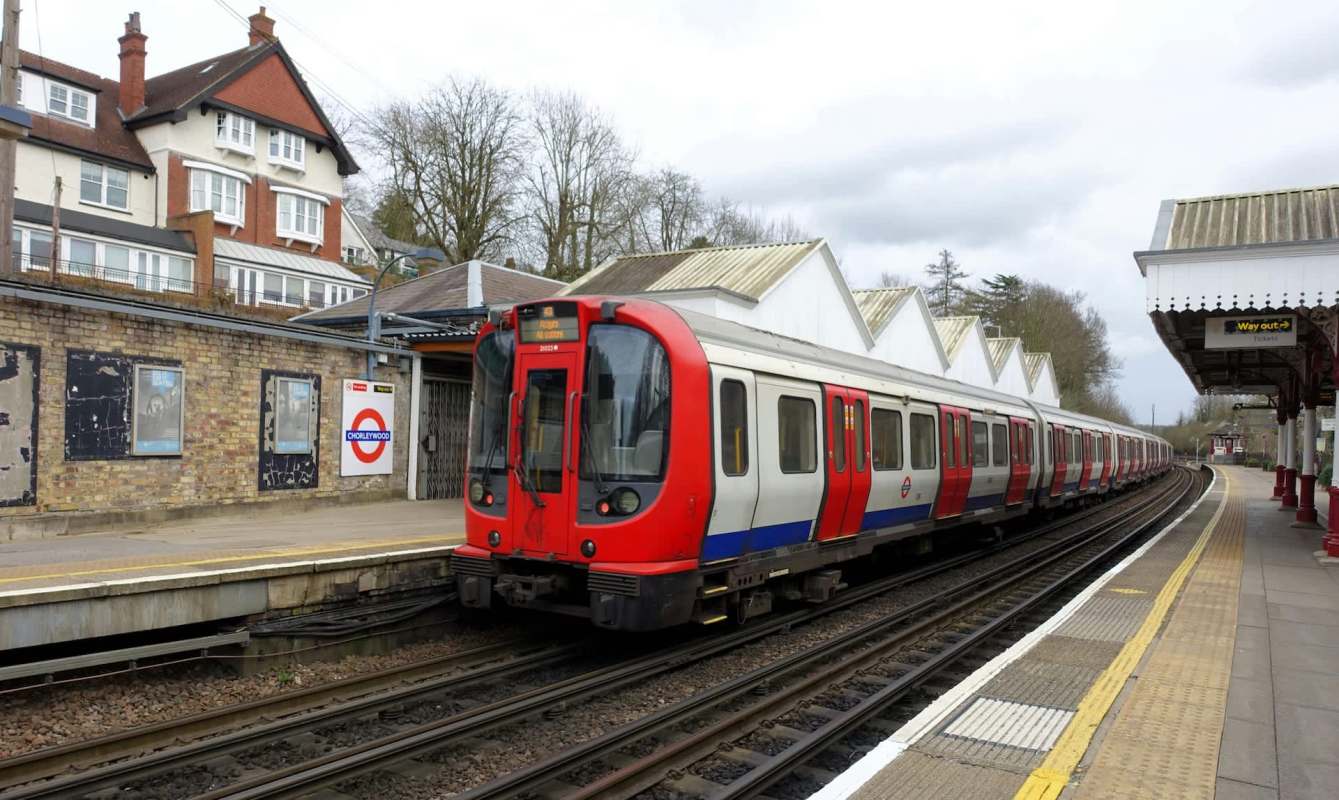
When an underground train station in West London faced frequent flooding, officials turned to a unique mitigation strategy.
What happened?
Frequent flooding in West London, especially at the Greenford underground station, led the Ealing Beaver Project to try a wildlife-based response.
As NPR reported, a family of five beavers was introduced to help reshape the problematic waterway naturally.
A dam appeared within weeks of their release. Water collected behind it into a pond, which slowed the creek and reduced the amount of runoff rushing downstream all at once.
Beyond that first structure, the beavers also changed the stream network by opening new routes for water, including additional pathways and tributaries away from the main channel.
After their first year, the beavers had constructed seven dams altogether. In the process, they altered the habitat and helped ease the flooding problem that had been affecting nearby transit infrastructure.
TCD Picks » Quince Spotlight
💡These best-sellers from Quince deliver affordable, sustainable luxury for all




Why does it matter?
The animals accomplished work that otherwise would have required costly human-made engineering. Instead of relying solely on concrete barriers or drainage upgrades, the area benefited from a natural system that slowed and spread water more effectively.
Heavier rainfall and flooding are becoming more common in many places. Flooded transit stations can disrupt commutes, damage infrastructure, and saddle cities and residents alike with costly repair bills.
The project also delivered ecological gains. By changing how water moved through the area with dams and channels, the beavers helped create better conditions for plants and wildlife.
"By felling trees, they've also opened up the canopy, and we've seen an abundance of biodiversity," Sean McCormack from the Ealing Beaver Project told NPR.
What began as a way to manage flooding has also become an attraction. As NPR noted, residents and visitors now go to the nature reserves for "beaver safaris," turning the once-problematic site into a place for recreation and education.
What's being done?
The Ealing Beaver Project shows how nature-based solutions can support communities facing climate pressures. Rather than treating wildlife and infrastructure as separate concerns, the project demonstrates how the two can work together.
Here, the flood-control benefits came effectively free of charge, and the surrounding ecosystem improved at the same time.
Not every place can solve flooding by introducing beavers, but many places can learn from working with natural processes instead of against them.
In West London, the five beavers did more than build dams. Their work created ponds and tributaries, expanded wildlife habitat, and made the landscape better able to handle flooding.

Get TCD's free newsletters for easy tips, smart advice, and a chance to earn $5,000 toward home upgrades. To see more stories like this one, change your Google preferences here.






