


A discovery at the Bàsura Cave in Liguria, Italy, is offering archaeology fans a better understanding of how people lived thousands of years ago, Archaeology News reported.
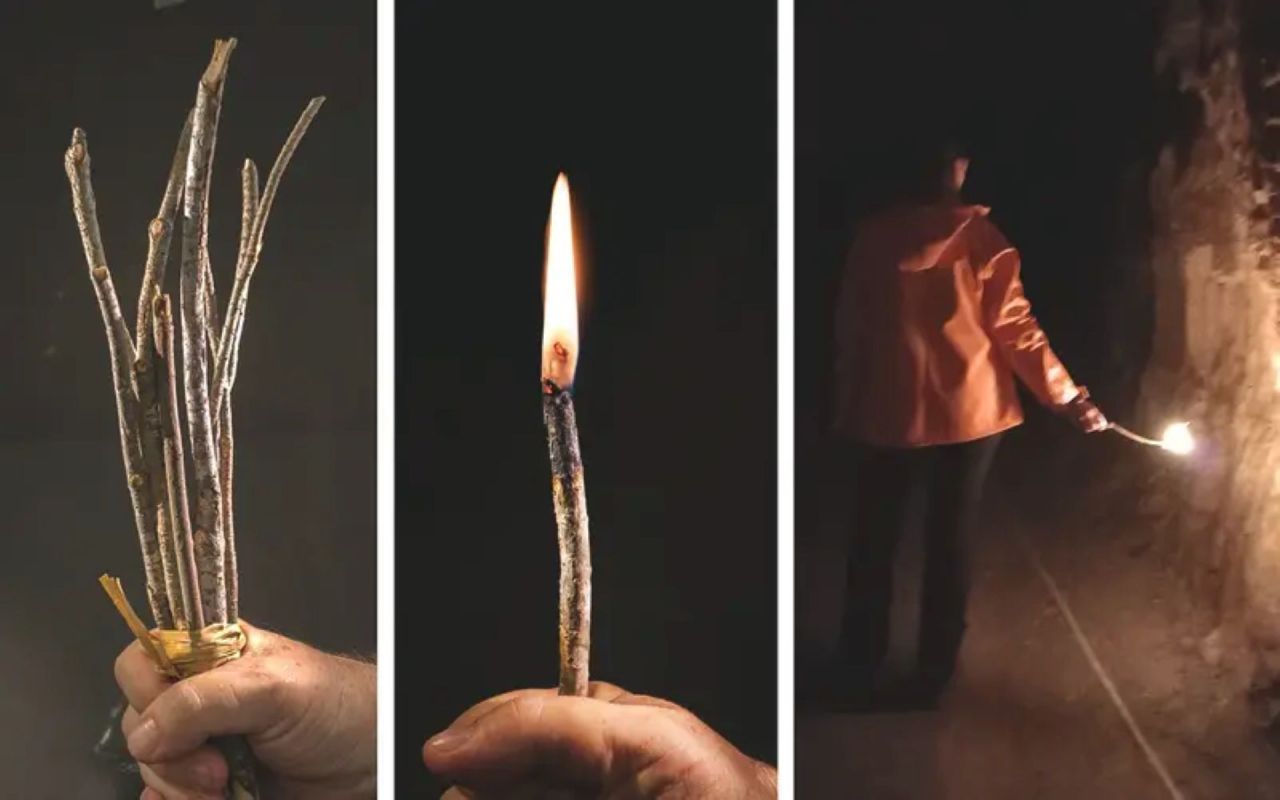
The people who left fossil footprints deep underground may have relied on handfuls of tiny pine twigs instead of oversized torches to see where they were going.
According to Archaeology News, Bàsura Cave is a major prehistoric site known for its preserved human footprints, canid tracks, finger marks, charcoal marks, and cave bear remains.
Findings made in 2016 also informed the new investigation. Researchers are now focusing on reconstructing how a group of five hunter-gatherers, accompanied by a canid, made its way through the cave about 14,400 years ago.
The latest project used methods like pollen analysis, charcoal identification, and excavation to determine how that group moved through the roughly 800 meters of dark passageways.
A reconstruction released with the study shows the group's route through the cave. Another image depicts the "Hall of Mysteries," where many of the traces were found.
TCD Picks » Quince Spotlight
💡These best-sellers from Quince deliver affordable, sustainable luxury for all




Of the 56 charcoal pieces recovered from the Hall of Mysteries, more than half were Scots pine or related species. Most came from young branches only a few centimeters thick.
That finding challenged the older idea that people were carrying large wooden torches. The researchers concluded that small pine twigs gathered from living trees were likely the preferred light source.
In tests, a pair of burning pine twigs gave five people enough light to travel single file. After their eyes adjusted, their sightlines extended to around 10 meters.
The flames also produced less smoke and glare than bigger torches would have, making cave travel safer and more practical.
The team estimated that a trip from the entrance to the Hall of Mysteries and back would have taken about 20 pine twigs, each roughly 30 centimeters long, over a journey lasting around two hours.
The study also helps explain the physical evidence still visible today.
Charcoal marks and fallen fragments produced during the experiments closely matched the traces preserved inside the cave, strengthening the case that these tiny lights were what guided the group underground.
The safest arrangement placed one light near the front and another at the back. Travelers stayed connected by resting a hand on the shoulder of the person in front.
They also reported that fuel use was modest. A burning twig lost about four centimeters per minute while the group moved.
Researchers found charcoal trapped in cave formations from other periods as well, hinting that Bàsura may have drawn people back long after the footprint-makers left their mark.

Get TCD's free newsletters for easy tips, smart advice, and a chance to earn $5,000 toward home upgrades. To see more stories like this one, change your Google preferences here.






