


China is using bamboo-derived materials in an offshore solar trial, giving the plant a new role in energy infrastructure at sea.
Here's what to know
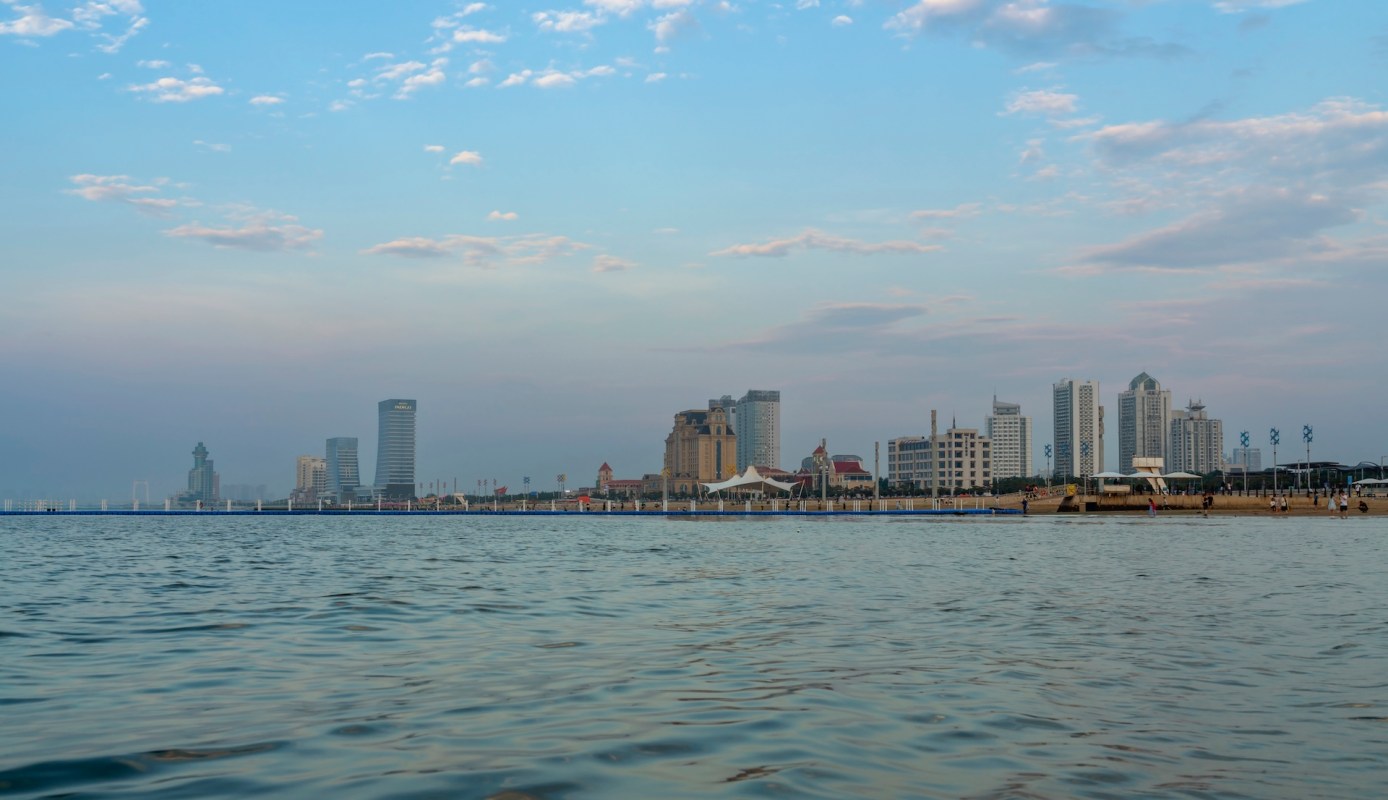
ZME Science reported that China positioned a 100-kilowatt Jilin-2 floating solar platform near Yantai in Shandong Province, with support tubes made partly from engineered bamboo and wood fibers. The project aims to see whether bamboo-based composites can endure salt spray, ultraviolet radiation, corrosion, and constant wave action.
CIMC Offshore Engineering Research Institute worked on the project with China Forestry Group Corporation and Beijing Forestry University. The power output is slated for a demonstration facility that produces hydrogen, ammonia, and methanol, but the larger focus is durability.
Floating solar has mostly been deployed on sheltered waters such as lakes and reservoirs rather than offshore. If lighter, plant-based materials can reliably replace some steel and fossil-fuel-derived plastic components, future projects could reduce material impacts while expanding clean electricity generation without competing for limited land, creating air pollution, or rising energy costs.
More background
Rather than using bamboo in a traditional form, Jilin-2 relies on processed materials such as "bamboo-wound" tubes and a reinforced wood-bamboo composite intended to deliver both buoyancy and structural strength. Beijing Forestry University professor Qi Chusheng said the material was modified for humid, salty, corrosive, sun-exposed conditions.
Even so, water remains the main obstacle. A 2022 durability study found that bamboo composites are sensitive to moisture and that trapped water in the pipe wall is hard to remove.
TCD Picks » Quince Spotlight
💡These best-sellers from Quince deliver affordable, sustainable luxury for all




Researchers will monitor the platform for fatigue and deterioration as waves and wind repeatedly flex the structure. Earlier studies in 2019 and 2025 suggested bamboo composite pipes can be lightweight, stiff, and durable under pressure, but lasting offshore is a much higher bar.
If the material performs well, cleaner electricity and lower-emission industrial fuels could reduce pollution associated with fossil energy, including exposure to dirty air.
What's being done?
China is already moving quickly on offshore solar. CHN Energy reported in December 2025 that its 1-gigawatt Kenli Offshore PV Project in Dongying was fully connected to the grid, with 2,934 solar platforms covering roughly 1,223 hectares (around 3,022 acres) of sea.
In 2023, the country began promoting bamboo as an alternative to plastic and other conventional materials. A national action plan introduced in 2023 promoted "bamboo instead of plastic," and by 2026, that effort had been folded into China's 15th Five-Year Plan.
Jilin-2 brings those two efforts together. If the platform stays strong and watertight, similar materials could be used in larger offshore power facilities, marine energy hubs, and aquaculture infrastructure. The project partners said the next phase would be a megawatt-scale bamboo platform.
The platform's job is to stay strong and watertight in offshore conditions. CIMC Raffles said: "Compared to conventional steel or [high-density polythene] structures, the bamboo-based design significantly reduces marine environmental impact."
More renewable generation can strengthen energy systems, while lighter, lower-impact materials may lower construction costs and reduce corrosion-related maintenance at sea.

Get TCD's free newsletters for easy tips, smart advice, and a chance to earn $5,000 toward home upgrades. To see more stories like this one, change your Google preferences here.






