


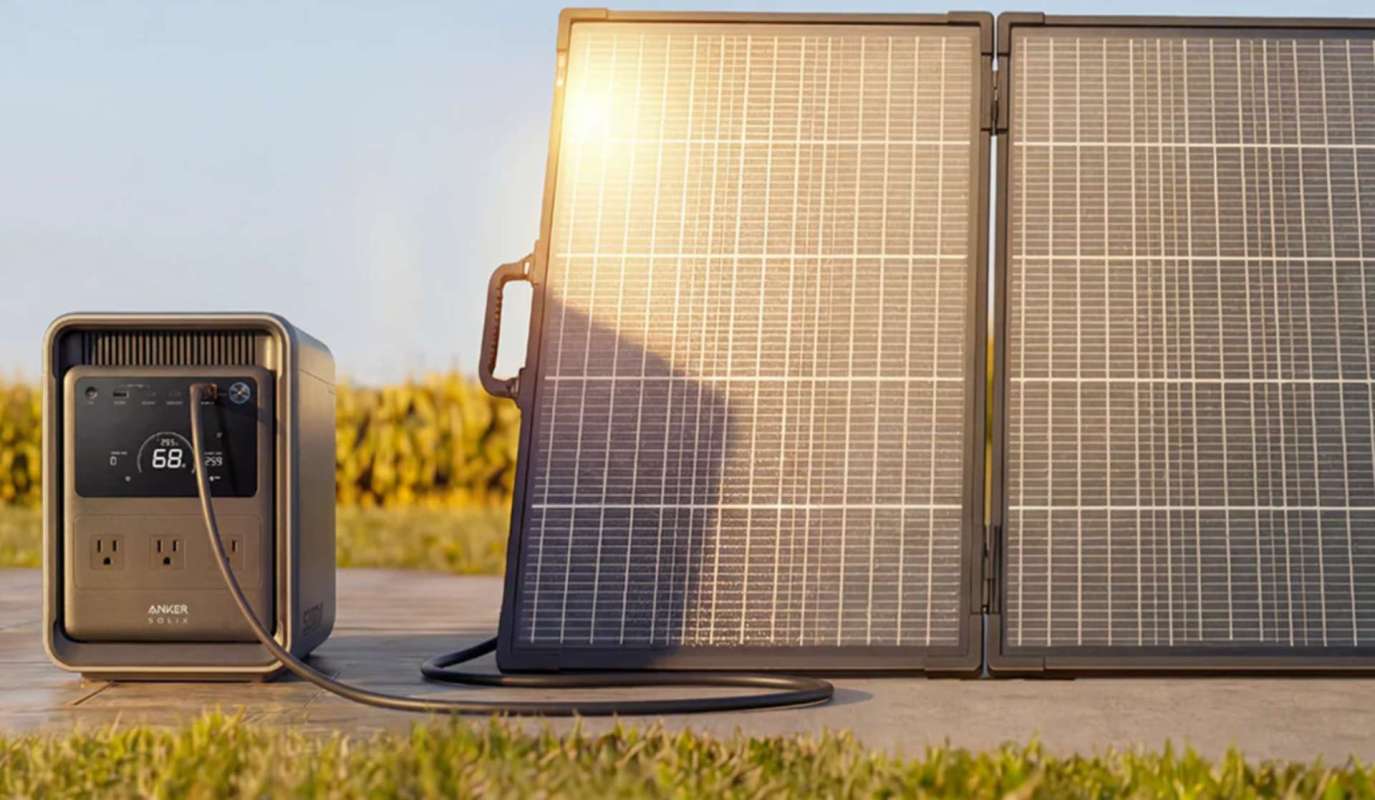
A Pacific Northwest family looking for a basic blackout backup plan got blunt feedback online: In the region's winter weather, even a small solar kit may be tougher to count on than the specs suggest.
Here's what to know
Posting on Reddit in the r/AnkerSOLIXCommunity, the user said their three-person household was preparing for outages and was considering a $1,150 bundle that included an Anker S2000 and a 400-watt portable panel.
The user said their family was intentionally keeping expectations modest. "We want something that can charge our phones, flashlights, and maybe charge a laptop for a movie once a week," they said.
Big household loads weren't part of the plan, and the original poster said they weren't trying to keep a refrigerator, chest freezer, or similar appliances running.
The OP was also hesitant about rigid panels, citing storage concerns and saying many two-panel 200-watt combinations seemed to run into the S2000's input limits.
Several commenters said that outlook may have been too optimistic, both about Pacific Northwest winter conditions and about how much power a household might actually want available.
"I think you are ignoring the clouds and rain of the PNW in the winter. That means very little solar recharge capability," one warned.
The same commenter also pointed to the unit's power ceiling, writing that the S2000 "only has AC output of 1500w" and later adding, "You may want to run a microwave or toaster or other device that takes more than 1500w."
Save $10,000 on solar panels without even sharing your phone number Want to go solar but not sure who to trust? EnergySage has your back with free and transparent quotes from fully vetted providers that can help you save as much as $10k on installation. To get started, just answer a few questions about your home — no phone number required. Within a day or two, EnergySage will email you the best local options for your needs, and their expert advisers can help you compare quotes and pick a winner. |

For homeowners thinking beyond portable backup packs, going solar is one of the best ways to save money on home energy. You can explore EnergySage to get free solar installation estimates and compare quotes.
More background
Many shoppers want emergency power for essential devices, but they do not want to overspend on a larger system they may rarely use.
Other replies focused specifically on the poster's assumptions about panel choices and wiring.
One commenter wrote that with parallel wiring, "you can go over in amps" and added, "Don't go over on volts, that amount is pushed through to your device."
More From EnergySage
💡Go deep on the latest news and trends shaping the residential solar landscape

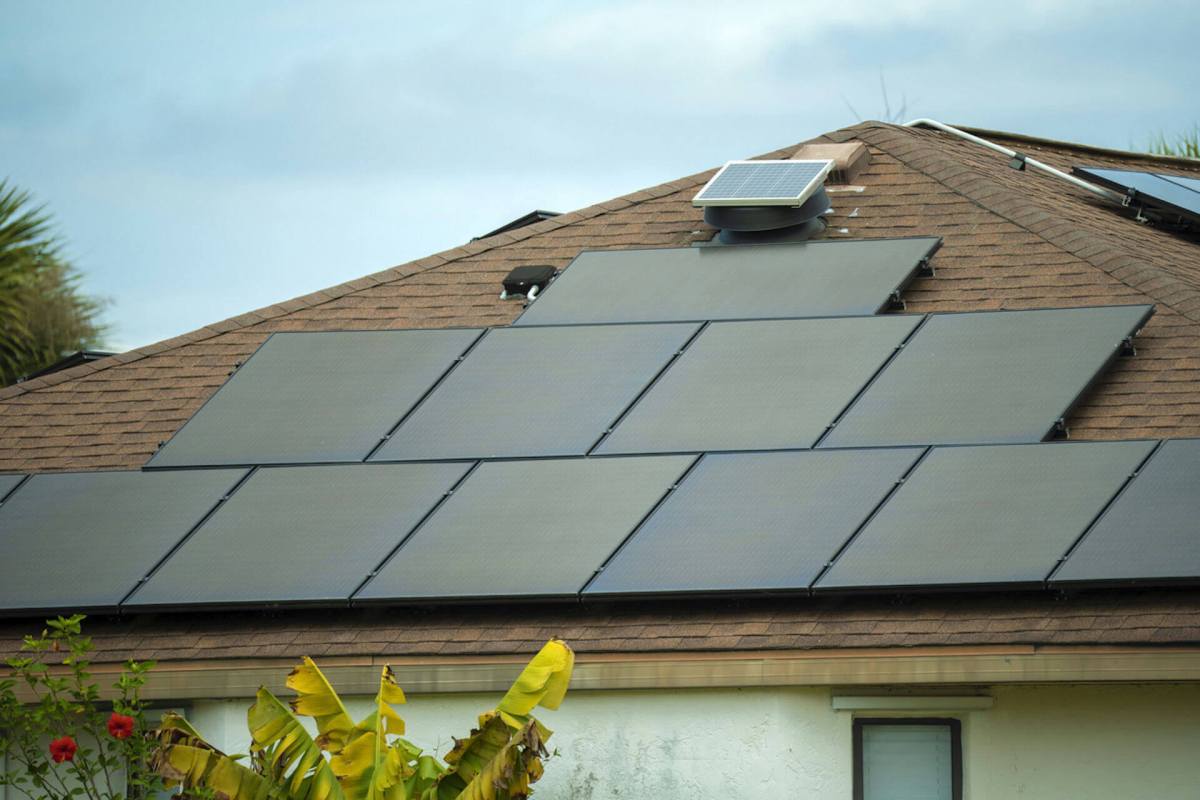

Meanwhile, another said rigid panels "are definitely going to be a better option and give you much better performance and will last much longer."
What can be done?
A smaller system may still make sense if the real goal is limited to phones, flashlights, radios, and occasional laptop charging. But if cooking, heating, or refrigeration could become important during an outage, it may be worth comparing stronger setups or a second recharge path, such as a generator or vehicle-based charging option.
EnergySage's free tools can also help people considering a fuller home-energy upgrade. With EnergySage's help, the average person can save up to $10,000 on solar purchases and installations. EnergySage's solar map shows the average cost of a home solar panel system by state, along with details on solar panel incentives for each state, helping buyers find the best price for rooftop solar panels and access available incentives.
Adding battery storage to a solar setup is one of the best ways to protect your home during outages, save money on energy, and go off-grid. It can also keep critical devices running when sunlight or grid access is limited. You can explore EnergySage for information about home battery storage options, including competitive installation estimates.
Where can I learn more?
The Reddit discussion focused on a small portable bundle, but the same tradeoffs come up when people weigh home batteries, rooftop solar, or alternatives to a generator. These stories show how backup power works in practice and how rebates or utility programs can shape what households can actually afford.
• In Australia, one homeowner's 20kW solar setup made blackouts nearly invisible and even earned credits.
• Energy experts say home batteries can outclass gasoline generators during outages and indoor safety risks.
• In Texas, a new deal lets residents get state-of-the-art home solar power without upfront costs.
For households building an outage plan, these articles show when a basic backup kit can do the job — and when moving up to a larger system may make more sense.

Get TCD's free newsletters for easy tips, smart advice, and a chance to earn $5,000 toward home upgrades. To see more stories like this one, change your Google preferences here.






