


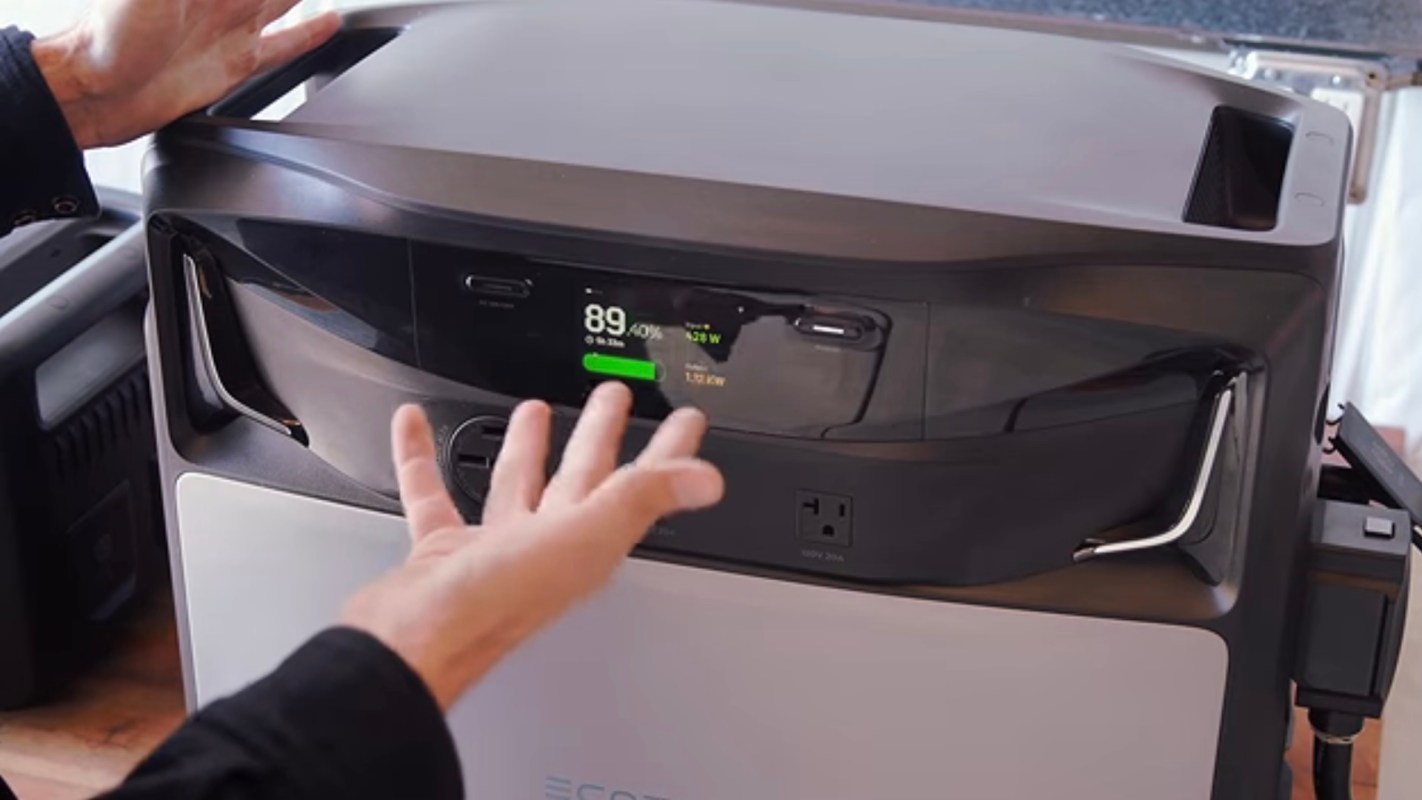
A YouTube video from a homesteading creator shows the last outbuilding on his property going off-grid, with enough capacity from a new battery backup system to keep 240-volt shop tools running.
His biggest flex: When grid power drops, he said the switch happens so fast that "the modem doesn't even reset."
Here's what to know
He presented the project as a roughly $10,000 setup built around EcoFlow hardware. In the sponsored video, the creator behind the YouTube channel Wranglerstar (@wranglerstar) said his shop's Titan Plus arrangement delivers 15 kilowatt-hours of backup power and can handle 40-amp 240V tools such as welders and plasma cutters. The package uses a smart panel, the Titan Plus itself, and batteries that stack onto the system.
Most of the work, he said, was designed to be handled by the owner; the only part he outsourced was the smart panel, which he said took an electrician about two hours to install. From there, the system can refill either with solar power or by drawing from the grid during lower-cost periods, and he said a Wi-Fi connection isn't required for operation.
Crushed by your bills? See instant solar savings from vetted installers in just a few clicks With energy prices through the roof, there's never been a better time to go solar — and EasyHome can help you find the best prices from the best installers in your area. EasyHome takes the guesswork and headaches out of energy upgrades by showing you estimated savings from a network of vetted local partners. To get started, just enter your ZIP and share a few details about your home — seeing your estimate is really that easy. |

Because the Titan Plus can recharge from solar, going solar is one of the best ways to save money on home energy. Homeowners who want to compare options can try EnergySage to get free solar installation estimates and compare quotes.
More background
Unlike fixed home batteries, he said this one is meant to be moved. The main unit can be disconnected from the house and used on a job site, lent to a friend, used for camping, or relocated for other tasks while still serving as home backup when it's plugged in.
On cost, he compared it to a Tesla Powerwall. Wranglerstar said his own math put a Powerwall installation at about $30,000, versus roughly one-third of that for the EcoFlow system, presenting the latter as the lower-cost and more adaptable option — though that comparison was his, not an independent test.
One commenter wrote: "During Hurricane Helene (no power for 14 days), we saved several neighbors big chest freezers full of venison." Still, a $10,000 battery system is a major purchase, and a full off-grid lifestyle will not make sense for every household.
What can be done?
Wranglerstar said the system also has a more everyday role than emergency backup or total grid independence. Through the Titan Plus app, users can schedule it to store grid electricity when rates are low and then use that stored power for the home or shop during higher-priced daytime periods.
Adding battery storage to a solar setup is one of the best ways to protect your home during outages, save money on energy, and go off-grid. Homeowners who want to compare home battery storage options, including competitive installation estimates, can explore EnergySage.
That kind of comparison-shopping can make a major difference. With EnergySage's help, the average person can save up to $10,000 on solar purchases and installations. EnergySage's solar map shows the average cost of a home solar panel system by state, along with details on solar panel incentives for each state.
Together, those resources can help homeowners get the best price for rooftop solar panels and access available incentives. For shoppers weighing batteries, panels, and installation costs at the same time, that can make a complicated project much easier to navigate.
More From EnergySage
💡Go deep on the latest news and trends shaping the residential solar landscape

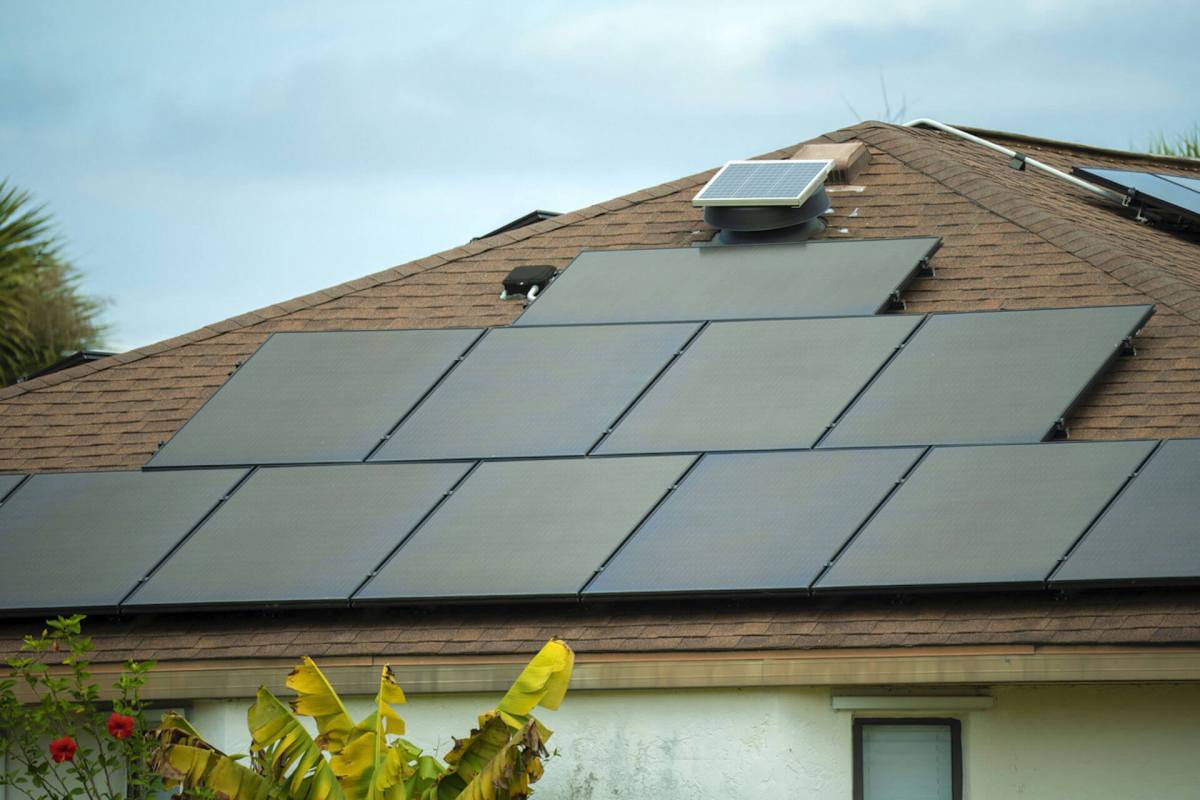


Wranglerstar summed up the appeal, saying: "This is something that is not just sitting there not being used and just waiting for an emergency. This is something that is working with the grid, working with your system to automate and to actively buy power at a lower cost and feed that into your home or shop and save you money."
Where can I learn more?
For a closer look at what battery backup can do in real homes, these stories follow homeowners using batteries and solar to ride through outages and cut grid costs.
• One solar homeowner said power outages became invisible after adding whole-home battery backup.
• In Tennessee, an off-grid family said they may never need a generator again.
• Homeowners are installing game-changing home tech to keep lights on and bills lower.
• Appliance experts say next-gen backup batteries are replacing noisy generators in more homes.
• More homeowners are ditching aging generators for battery-backed power during blackouts.

Get TCD's free newsletters for easy tips, smart advice, and a chance to earn $5,000 toward home upgrades. To see more stories like this one, change your Google preferences here.






