


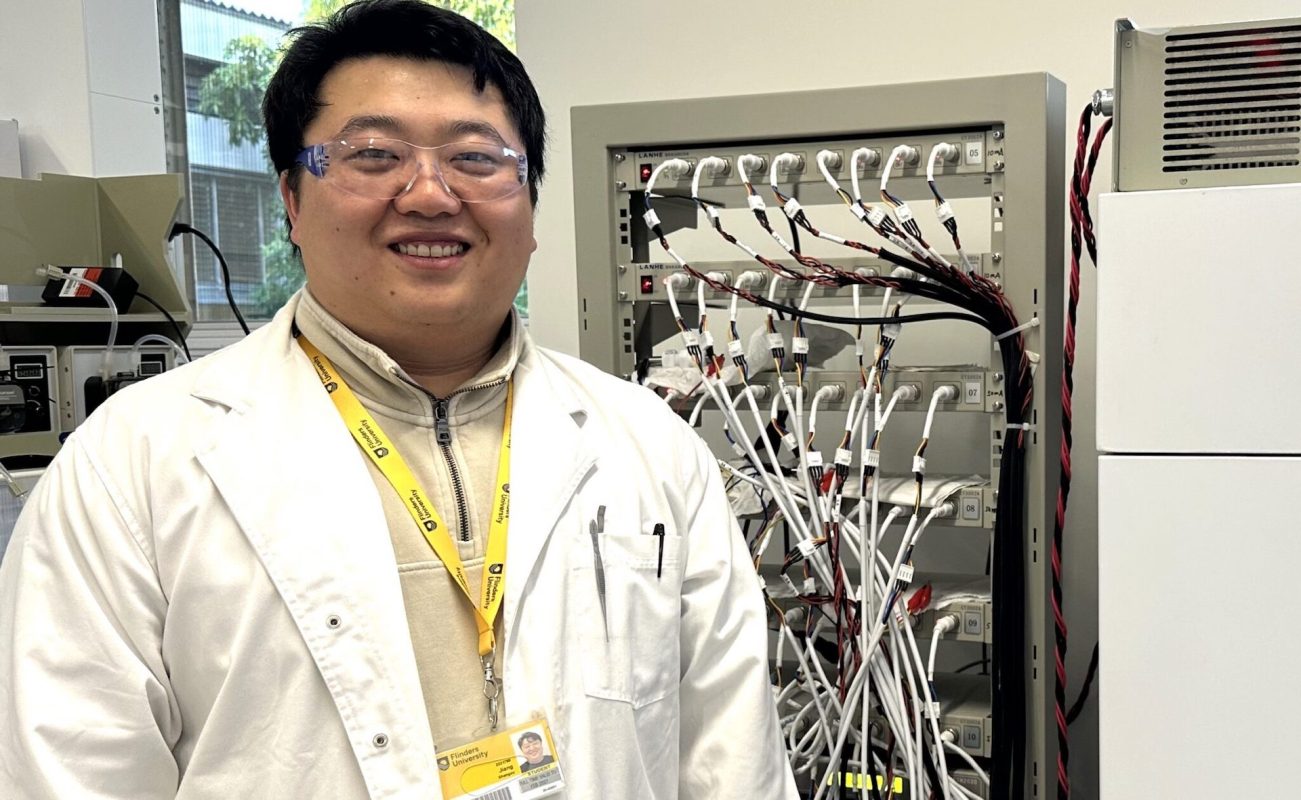
A low-cost alternative to large-scale lithium-ion energy storage could come from Australia's Flinders University. Researchers there developed a battery that charges in three minutes and surpassed 60,000 charge-discharge cycles in laboratory testing.
Here's what to know
The team's work with companies focuses on turning its water-based zinc-iodine design into a prototype storage system, according to ESS News.
The battery uses an inexpensive organic polymer to trap iodine compounds so they cannot move around and disrupt its operation. The polymer is based on cyclodextrin, a substance used in foods, medicines, and cosmetic products.
The reported capacities were 150 milliampere-hours per gram for three-minute charging and 200 milliampere-hours per gram for seven-minute charging. The seven-minute tests ran for 8,000 cycles, with the battery operating at 1.3 to 1.4 volts.
For households facing grid instability and time-of-use electricity prices, whole-home batteries can keep essentials running during outages and reduce peak-period electricity costs, while leases can avoid upward of $20,000 in upfront costs. EasyHome is a marketplace offering battery shoppers unique prices and exclusive deals from trusted partners.
More background
Associate professor Zhongfan Jia noted that iodine has a potential capacity of 211 milliampere-hours per gram, according to ESS News.
"However, one of the biggest challenges with this new battery technology is stopping iodine species from moving to places it shouldn't inside the unit," Jia said. "The system offers a new approach to mitigate polyiodide shuttling by using polymers derived from inexpensive, biodegradable materials. It enables sustainable and long-lasting aqueous zinc-iodine batteries."
Australia holds an estimated 20% to 28% of the world's zinc reserves, according to PV Magazine Australia, giving researchers a widely available material to work with. Growing demand for lithium-ion batteries puts pressure on resources and supply costs.
Crushed by your bills? See instant solar savings from vetted installers in just a few clicks With energy prices through the roof, there's never been a better time to go solar — and EasyHome can help you find the best prices from the best installers in your area. EasyHome takes the guesswork and headaches out of energy upgrades by showing you estimated savings from a network of vetted local partners. To get started, just enter your ZIP and share a few details about your home — seeing your estimate is really that easy. |

For households seeking a small-scale backup option, Pila offers a plug-and-play battery alternative at a substantially lower price than what whole-home backup systems cost.
What's being done?
The research appeared in the journal Angewandte Chemie International Edition, according to ESS News, under the title "Caging polyhalide anions in polycyclodextrin for long-lasting aqueous zinc-iodine batteries." First co-author Shangxu Jiang is a Flinders doctoral candidate in the Sustainable Polymers for Energy and Environment program.
For homeowners exploring storage in the face of high electricity prices, EasyHome works like Groupon for home energy, negotiating unique deals for its large audience. It also offers special solar deals. Pairing solar with a battery can increase savings and provide backup power during outages, adding resilience to a household's energy setup.
"As a top global producer and exporter, we can use these zinc resources for safer energy storage, which is important for energy manufacturing in Australia," Jiang said, per ESS News.

Get TCD's free newsletters for easy tips, smart advice, and a chance to earn $5,000 toward home upgrades. To see more stories like this one, change your Google preferences here.






