


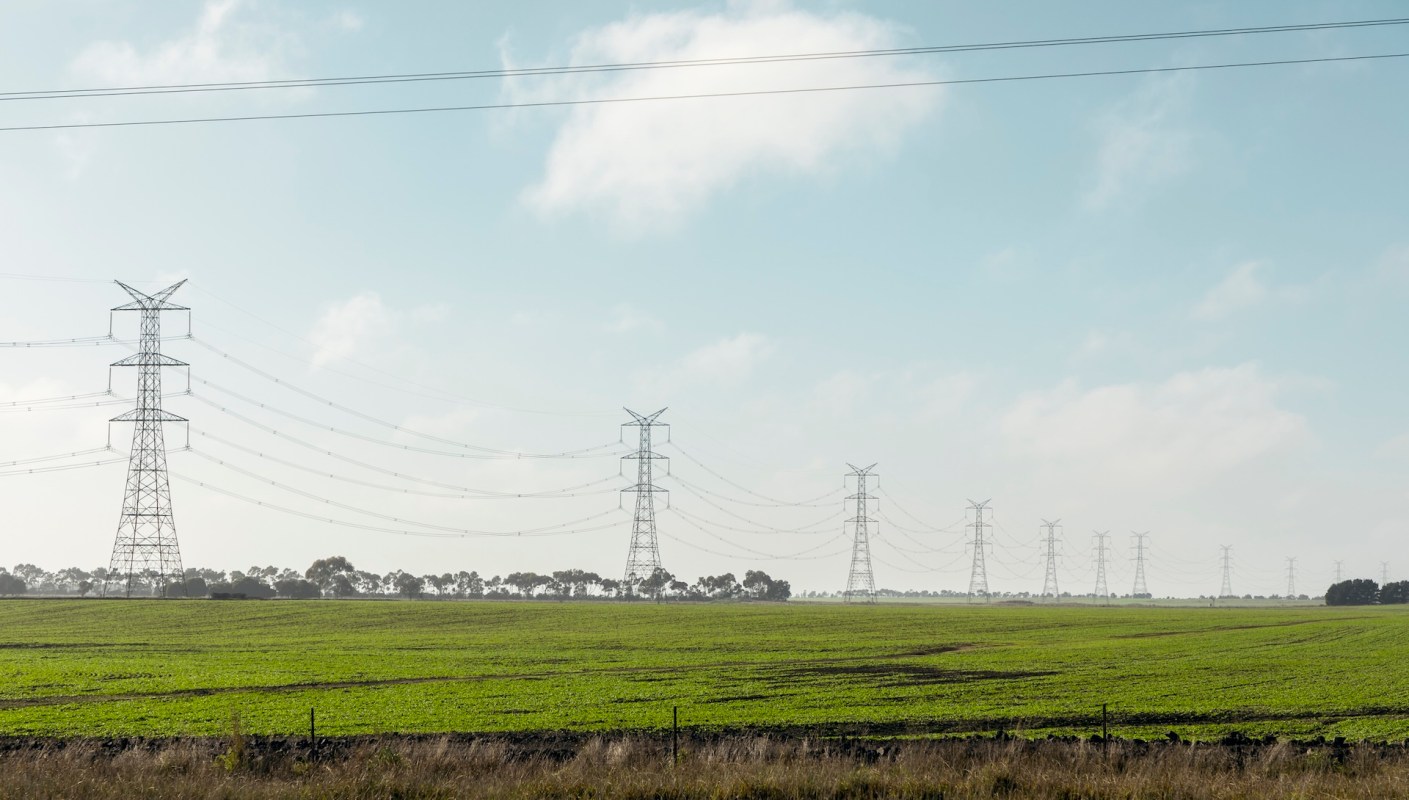
For the first time, Australia's National Electricity Market reached renewable energy levels of 80% for two consecutive days, with rooftop solar supplying over half the demand.
Here's what to know
According to The Independent, on Sept. 18 and 19, the National Electricity Market, which serves eastern Australia, South Australia, and the Australian Capital Territory, hit record levels.
On Sept. 18, the grid was at 79.5% renewables around 1:30 p.m. Five-minute readings indicated it reached 80.1%.
Rooftop solar supplied 47.9% of generation, and utility-scale solar added another 22.1%, while brown and black coal accounted for about 20% and gas stayed below 1%. In total, renewables produced 26,316 megawatts, compared with just over 2,000 megawatts from fossil fuels, according to the newspaper.
On Sept. 19, the Australian Energy Market Operator logged an 80.4% renewable share. For about 30 minutes around lunchtime, rooftop solar met over half of total demand, while most of the remaining supply came from solar and wind farms along with a small amount of hydropower.
"These records are probably not going to last very long; they're probably going to be broken in the next couple of weeks," University of New South Wales energy systems researcher Dylan McConnell told The Guardian, as The Independent noted.
For households, going solar is one of the best ways to save money on home energy. Homeowners who want to see what a project might cost can use EnergySage to get free solar installation estimates and compare quotes.
More background
Australia's Energy Minister Chris Bowen wrote on Facebook that there was "more clean, cheap, sovereign energy powering our homes and businesses than ever before." That kind of energy mix means less pollution and less exposure to volatile fuel prices.
Save $10,000 on solar panels without even sharing your phone number Want to go solar but not sure who to trust? EnergySage has your back with free and transparent quotes from fully vetted providers that can help you save as much as $10k on installation. To get started, just answer a few questions about your home — no phone number required. Within a day or two, EnergySage will email you the best local options for your needs, and their expert advisers can help you compare quotes and pick a winner. |

Per The Independent, renewables in the National Electricity Market averaged 46.5% in the first quarter of the year, then 42.1% across the three months to June.
What can be done?
Such milestones require continued investment in solar, wind, transmission, and storage. "There's a long way to go, but expect more and more of these milestones in the future as Labor gets on with the job of the energy transition and delivering real cost of living relief," Bowen wrote on social media.
For homeowners, EnergySage can help you go solar by letting you curate competitive bids from local installers without exchanging contact information unless you choose to work with one. With EnergySage's help, the average person can save up to $10,000 on a solar purchase and installation.
Tools such as EnergySage's solar map, which shows the average cost of a home solar panel system by state and details solar panel incentives in each state, can help homeowners get the best price for rooftop solar panels and access available incentives.
More From EnergySage
💡Go deep on the latest news and trends shaping the residential solar landscape

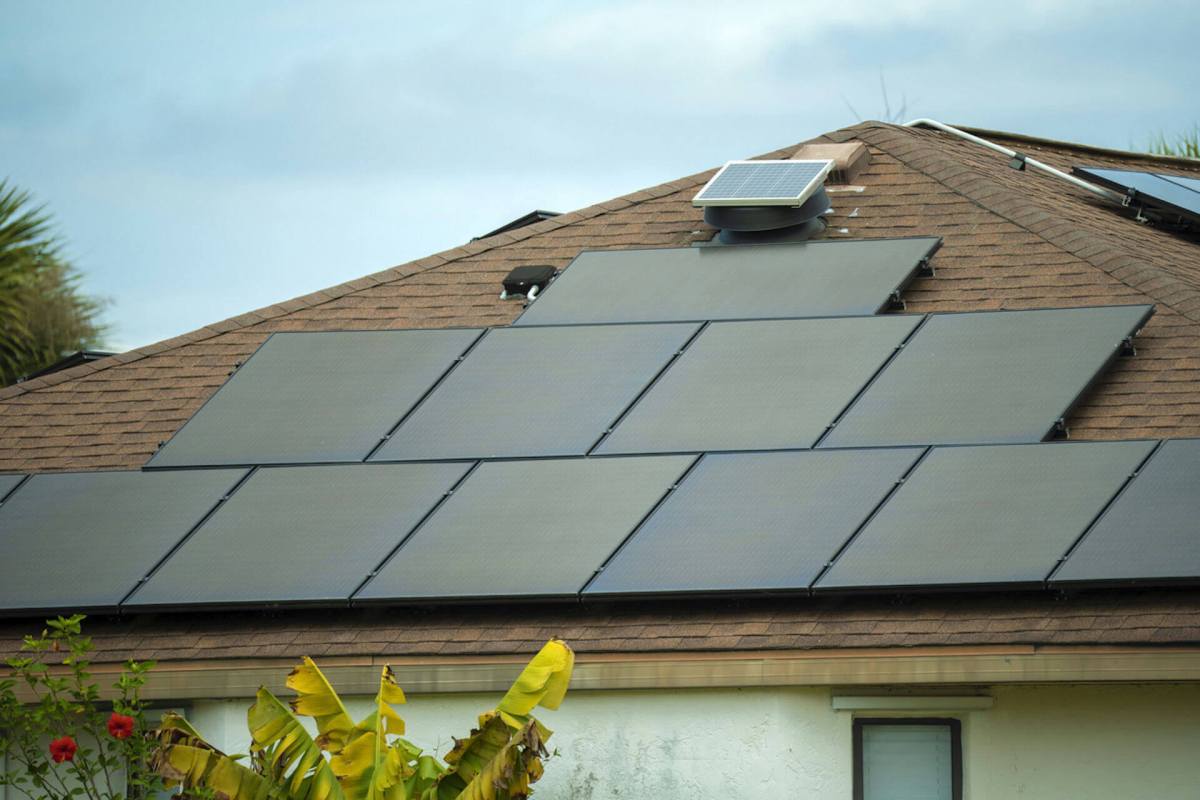
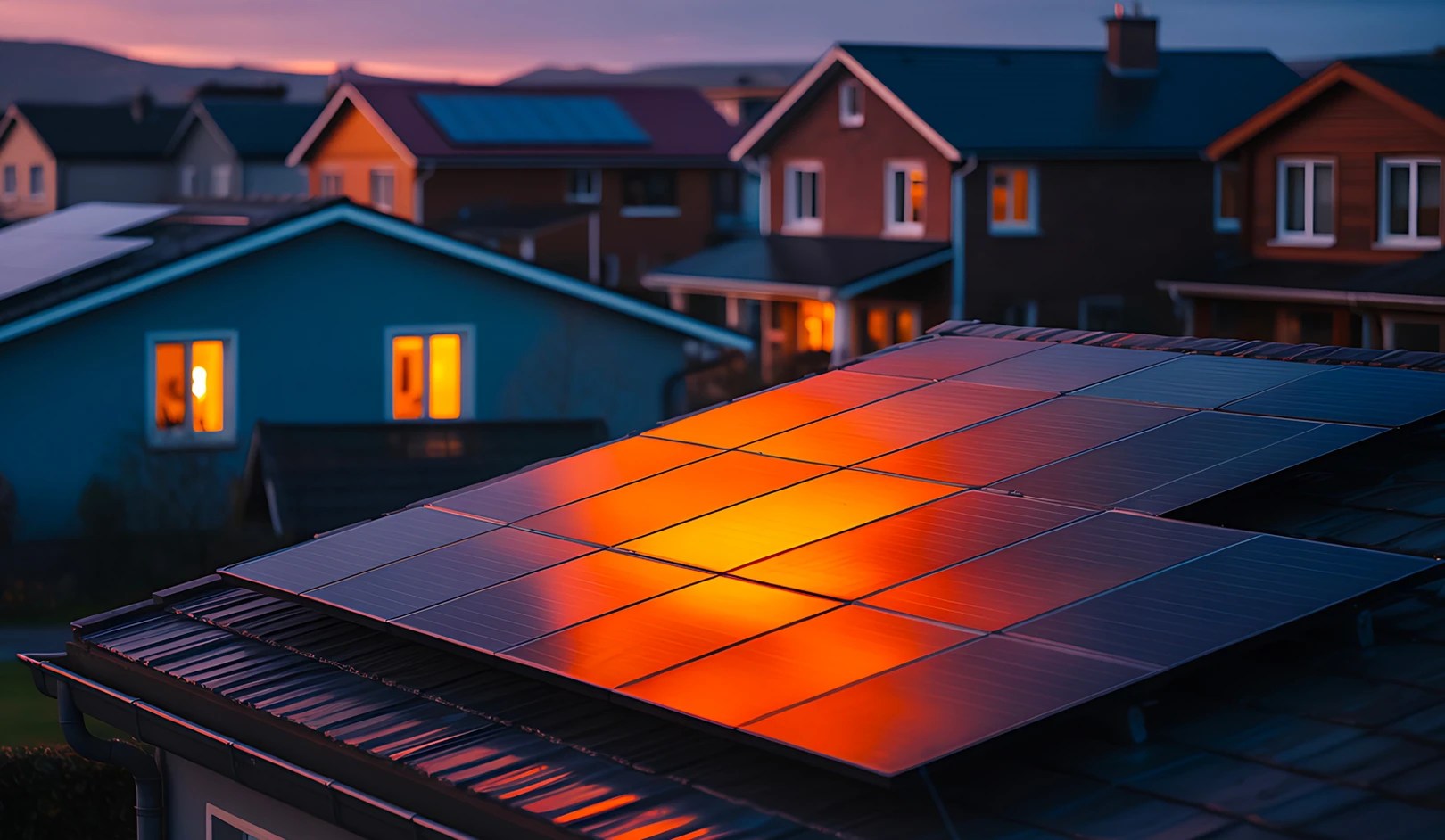

Adding battery storage to a solar setup is one of the best ways to protect your home during outages, save money on energy, and go off-grid. Batteries can store extra daytime electricity for use after sunset or when the grid goes down. Homeowners can also explore EnergySage for information and installation estimates on home battery storage options.
Where can I learn more?
Australia's grid records show a clear shift toward renewable energy sources. Here are some more stories that dig into solar.
• In Australia, a battery boom is helping steady an increasingly volatile solar-heavy power market.
• Across Australia, an AI system is unlocking rooftop solar for apartment buildings long left behind.
• In Western Australia, Gold Fields is building its largest solar farm for a major mine.
• In New South Wales, 6,000 sheep are thriving beneath 1 million solar panels.
• Worldwide, wind, solar, and storage costs keep falling as renewable deployment accelerates.

Get TCD's free newsletters for easy tips, smart advice, and a chance to earn $5,000 toward home upgrades. To see more stories like this one, change your Google preferences here.






