Australia is moving to impose firmer rules on the AI boom before the industry becomes even harder to manage.
The plan would let creators of books, music, art, or news keep control over how their work is priced and valued when it is used to train artificial intelligence systems.
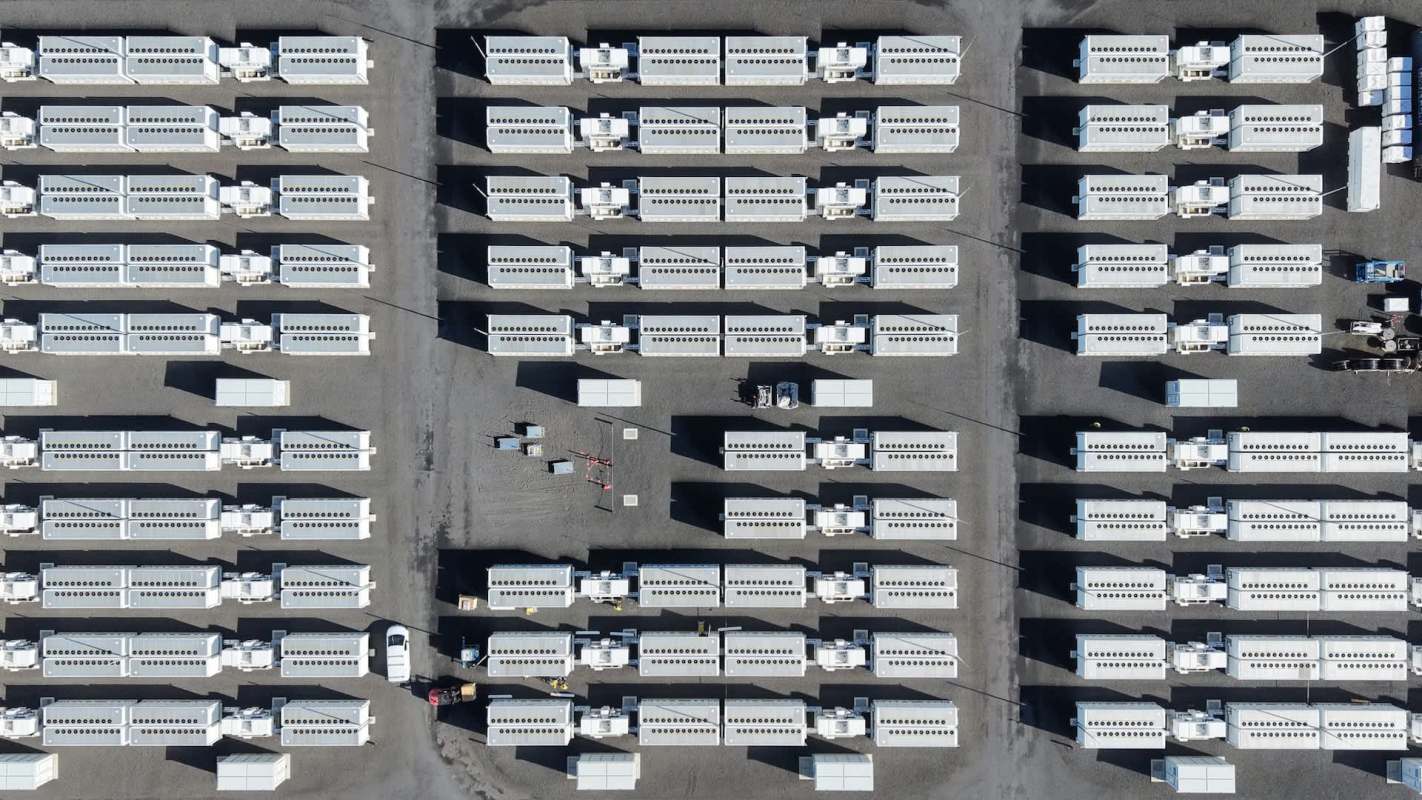
It would also require large AI data centers to match the power they consume with the power they generate.
What happened?
With Australia drawing AI investment because of its size and access to renewable energy, Prime Minister Anthony Albanese rolled out the new approach Wednesday, according to The New York Times.
Under the proposed Australian Standards for AI, companies would face a "legal obligation" to use water efficiently and avoid straining the power grid.
Albanese also said creators should keep a role in determining how books, music, art, and news are valued when those works are used to train AI systems.
TCD Picks » Quince Spotlight
💡These best-sellers from Quince deliver affordable, sustainable luxury for all




"Every country on Earth is grappling with these challenges right now. Australia will be the first country in the world to bring these issues into a single, national framework," Albanese said, per the Times.
Microsoft, OpenAI, and Anthropic responded cautiously but positively, while business groups warned against rules that could scare off investment. The government also plans to introduce legislation early next year and create an Office of AI that reports directly to the prime minister.
Why does it matter?
Around the world, AI data centers are under scrutiny because they can use vast amounts of electricity and water without delivering equal benefits to nearby communities. If Australia carries out this plan, it could become an example of how countries can encourage AI expansion without letting it overrun infrastructure.
Strain on the grid can raise energy costs, undermine reliability, and slow progress toward cleaner electricity systems. Requiring companies to generate as much power as they use could limit that burden while driving private investment into renewables.
Creative workers have increasingly raised alarms that their efforts are being used to build profitable AI tools without consent or compensation. Albanese's stance shows governments may be willing to step in on behalf of creators.
Australia's move also aligns with a broader backlash. In the United States and Europe, government officials have pursued moratoriums, transparency rules, and penalties tied to large data centers and AI oversight.
What's being done?
Australia is outlining a national framework rather than locking in rules. The biggest open questions are how the requirements will operate in practice and how they will be enforced, especially because the federal government still needs backing from individual states.
The proposal would tie AI infrastructure growth to energy and water standards and create guardrails for how training data is sourced. That combination could give policymakers a way to address both environmental concerns and economic fairness.
Companies are already engaging with the proposal.
Microsoft said AI "should be built and applied in ways that reflect a country's values and serve its national interest," the Times reported, while OpenAI described Australia as a priority market and noted it was "engaging constructively" with the government, creators, and industry.
Policies such as these can shape whether new technology lowers pollution and broadens opportunity — or simply shifts the costs onto workers, households, and the grid.
"The devil will be in the details exactly what they do," Toby Walsh, a professor of artificial intelligence at the University of New South Wales in Sydney, told the Times.
Albanese said, "Anything less is theft."

Get TCD's free newsletters for easy tips, smart advice, and a chance to earn $5,000 toward home upgrades. To see more stories like this one, change your Google preferences here.