


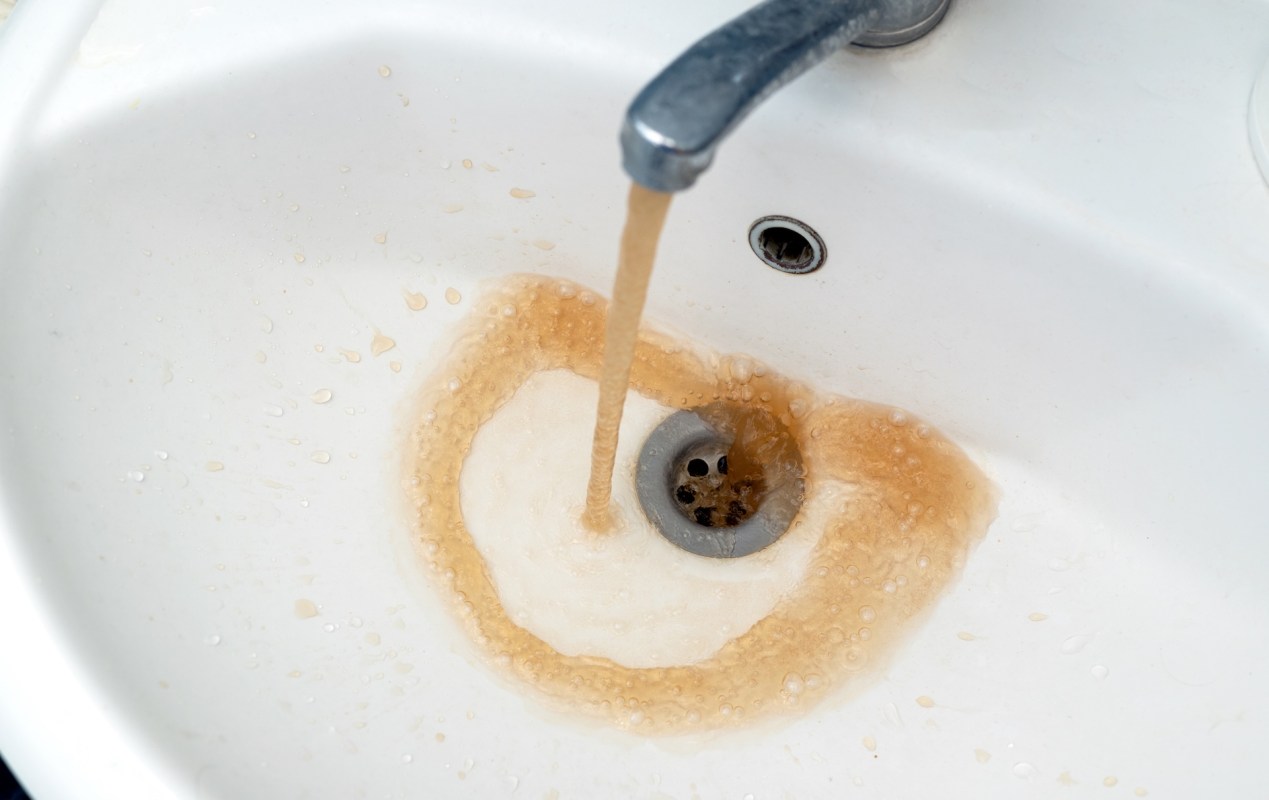
People in Austin's Colony, a neighborhood in Texas' capital, have lived with water that is unreliably clean for years, according to Discover Magazine.
Results from a newly published peer-reviewed study indicate the problem was not just cosmetic. Some of the water tested contained lead, arsenic, and other contaminants at levels above state and federal standards.
What happened?
Researchers working with residents and the community organization PODER examined 81 water samples collected during 2024 and 2025, with eight homes accounting for most of them. Discover Magazine reported on the new study, which PLOS Water published.
Lead crossed Texas' 15-parts-per-billion standard in three of the samples, and one of those tests came in at 27.3 ppb.
Researchers also found elevated arsenic, iron, copper, and manganese. The highest manganese measurement appeared in a single sample at 2,460 ppb, almost 50 times the 50 ppb limit used by the Environmental Protection Agency and the Texas Commission on Environmental Quality.
In a companion survey, 100 households responded, and 70% said they had experienced discolored water at some point. Of those households, 24% said the issue lasted for days at a time. Reported frequency also varied, with 37% saying it happened yearly, 46% monthly, and 6% weekly.
TCD Picks » Quince Spotlight
💡These best-sellers from Quince deliver affordable, sustainable luxury for all




Why does it matter?
Lead and arsenic exposure can pose serious health risks, and even intermittent contamination can create major challenges for families that rely on tap water for drinking, cooking, and bathing.
The study points to the neighborhood's plumbing system as the likely source of the problem. It draws water from three places — Austin's Colony wells, Manor wells, and the Carrizo-Wilcox Aquifer.
The water met standards both at its sources and as it entered the neighborhood. Contamination appeared only after different supplies combined in the local system, where the study said buildup, erosion, and "water turbulence" may have contributed.
Discoloration is not always harmless, and uncertainty about tap water can shape everyday decisions about bottled water, filters, and already-stretched household budgets.
What's being done?
The paper gives residents documented scientific evidence.
Bianca Guerrero, a resident and community organizer, said in a statement, "With this paper finally coming out, one that's academic and peer-reviewed, we finally have something that carries some weight."
Researchers found that home water treatment systems appeared to reduce contaminants and hard-water minerals. The survey found 71% of households had treatment systems, but the study noted that such systems can be expensive.
Guerrero said the peer-reviewed paper means residents in Austin's Colony now "finally have something that carries some weight," while Susana Almaza, the director of PODER, said, "We have something that we can take on and move forward."

Get TCD's free newsletters for easy tips, smart advice, and a chance to earn $5,000 toward home upgrades. To see more stories like this one, change your Google preferences here.






