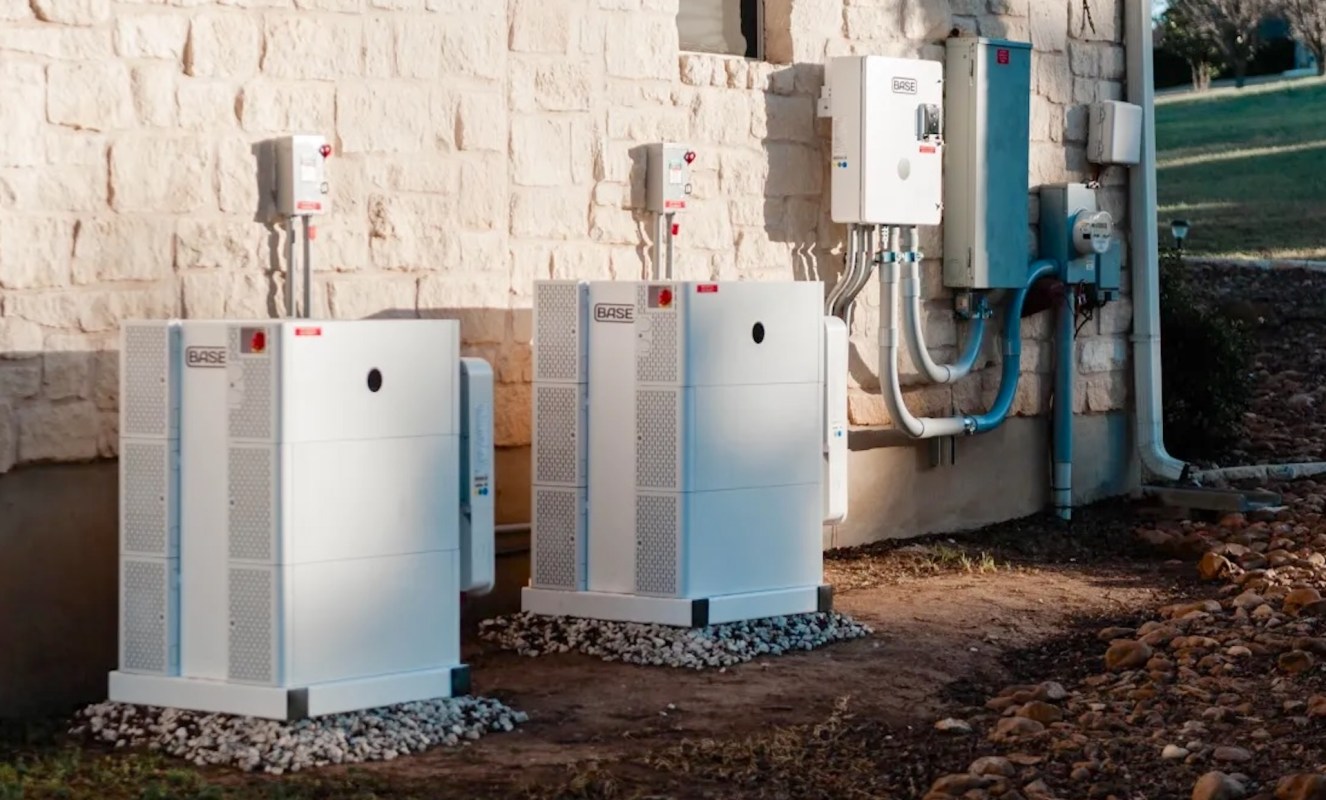
An Austin-based utility company could soon offer backup batteries to homeowners as part of a new partnership aimed at improving grid reliability across the city.
If it moves forward as planned, the arrangement could give residents backup power during outages while also allowing the utility to draw on that stored electricity when demand spikes.
What happened?
According to KXAN, Austin Energy has entered into a deal with Austin-based startup Base Power focused on installing battery systems in customers' homes.
When electricity use climbs, the utility would be able to tap the energy stored in those batteries, the outlet reported.
Base Power told KXAN that, for safety reasons, the batteries are not allowed to send electricity back onto the grid during an outage. In that scenario, the stored power stays available for the homeowner.
"If the power does go out, the battery backs them up. So, it immediately turns on. Oftentimes, folks don't even know it," Justin Lopas, COO and co-founder of Base Power, told KXAN.
TCD Picks » Good Store Spotlight
Get 10% off your next purchase with code TCD10


The batteries are produced in Austin at the former Statesman facility, according to KXAN.
Utility leaders also said the agreement aligns with the Resource Generation and Climate Protection Plan and its goal of reaching 125 megawatts of storage by 2027. Through the partnership, Austin Energy expects to add 40 megawatts of distributed battery capacity.
Extreme heat, severe storms, and sudden outages can disrupt daily life, especially when people are relying on air conditioning, refrigeration, internet service, and device charging.
A home battery system can automatically switch to backup power. That could mean less food spoilage, fewer interruptions to work-from-home routines, and less stress when rough weather knocks out service.
For the utility, tapping energy already stored at homes could help ease grid pressure during peak-demand periods instead of relying only on large, centralized resources. In practice, that can save time and offer a more flexible way to manage surges in electricity use across a fast-growing city.
The Austin Energy-Base Power deal reflects a growing model in which smaller, distributed energy tools support the grid. Rather than viewing batteries only as single-home products, utilities are increasingly treating them as shared reliability assets.
For Austin Energy, the same equipment could serve two needs at different times: Homeowners would have backup power at home, and the utility could draw from that stored electricity during periods of high demand.

Get TCD's free newsletters for easy tips, smart advice, and a chance to earn $5,000 toward home upgrades. To see more stories like this one, change your Google preferences here.