


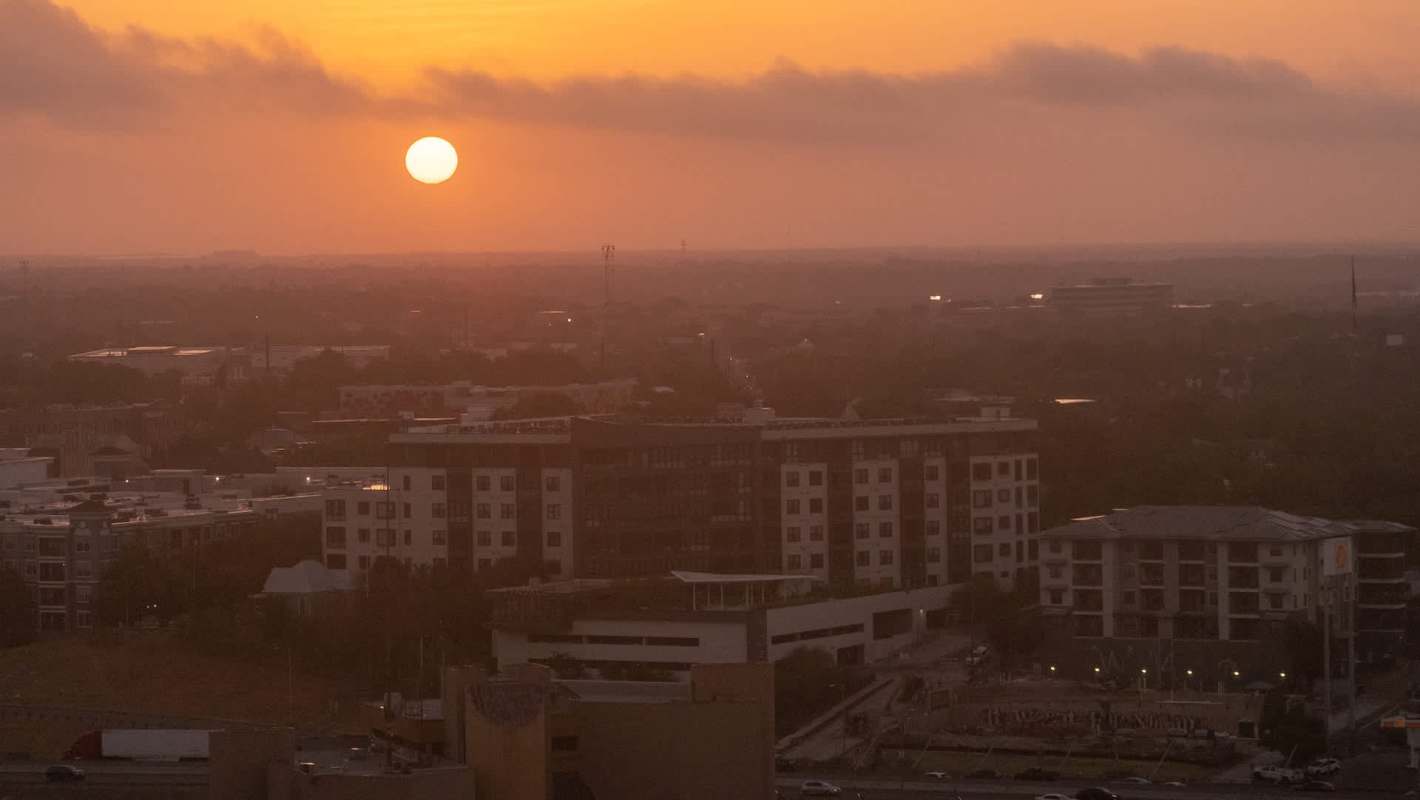
Austin, Texas, experienced staggering "feels like" temperatures of 118 degrees on Thursday, tying the city's heat index record.
What's happening?
In West Austin, National Weather Service data found that the heat index reached the astonishing mark, per KUT News.
KUT reported that leftover moisture from a wet spring made the heat more intense; humidity can make conditions feel far hotter to the human body than the air temperature alone, which also soared.
Forecasters issued their first extreme heat warning since last summer along with their first warning tied specifically to heat index levels since 2024.
The rarity of that kind of alert stood out to Matthew Brady, lead meteorologist at the NWS Austin-San Antonio office.
"We don't see these every day," Brady told KUT. "People need to be aware of the symptoms of heat exhaustion or heat stroke when working outside and being outside."
TCD Picks » Quince Spotlight
💡These best-sellers from Quince deliver affordable, sustainable luxury for all




Meteorologists also warn that residents should keep an eye on overnight conditions, which are surprisingly dangerous to people's health.
Why does it matter?
People can be especially vulnerable when extreme heat arrives before they've adjusted to summer conditions.
"Temperatures this hot in August, we've already felt that probably five or six times by that point," Mary Wasson, an Austin-based meteorologist, said. "But early in the season, it's definitely when you want to take those big extra precautions."
High humidity also makes it hard for sweat to evaporate, weakening the body's natural cooling process and increasing the risk of heat exhaustion and heat stroke. That lack of acclimatization is one reason heat-related emergency room visits often rise at the start of summer.
Dangerous heat can also send outdoor workers to the hospital; raise families' power bills; threaten community safety; and disrupt local businesses, schools, and public services.
For people without reliable cooling, transportation, or flexible work conditions, the danger can be even more severe.
Austin's latest warning is also a reminder that heat is not just an inconvenience; it is one of the deadliest forms of extreme weather, especially when scorching days are paired with hot nights that offer little relief.

Get TCD's free newsletters for easy tips, smart advice, and a chance to earn $5,000 toward home upgrades. To see more stories like this one, change your Google preferences here.






