


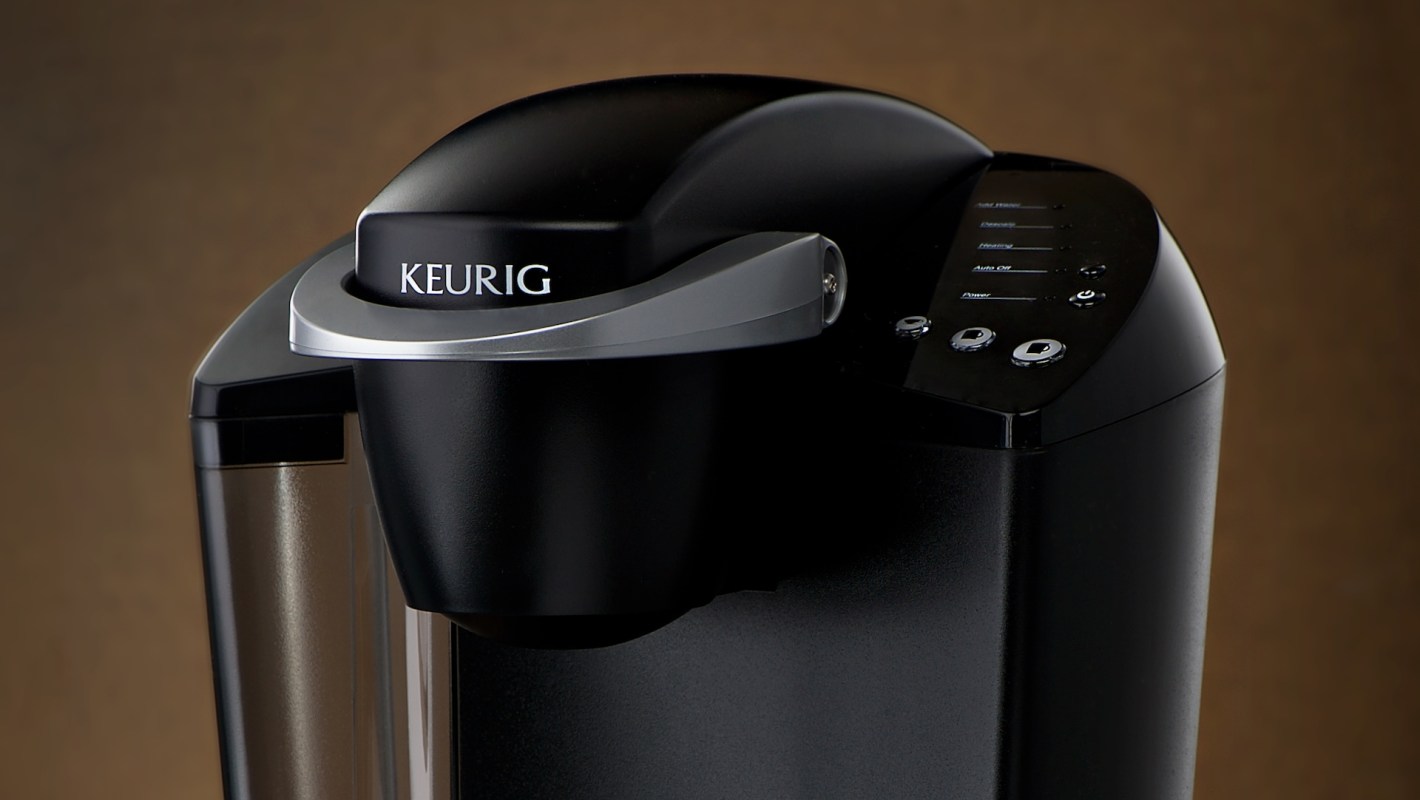
A routine audit of a couple's home network turned stranger when their son noticed an internet-connected Keurig coffee maker appeared to use 1,008 gigabytes of data in just 10 days.
The bizarre figure quickly sparked a broader conversation about whether so-called smart appliances are genuinely useful conveniences or unnecessary risks sitting on kitchen counters.
Here's what to know
The reported number came from a post on r/mildlyinfuriating, where the brewer showed 1,008 GB of usage over 10 days.
One commenter suggested the issue might be more serious than routine device activity, writing, "Probably part of some botnet, happens often with dumb 'smart' devices due to lack of proper protection."
Another commenter came to the same conclusion, writing, "Yeah. Probably botnet," after first saying, "I can't imagine any task it is capable of doing that would consume that amount of data." The same commenter added, "Unless it has a serious glitch and just redownloads it's firmware constantly or something, but I'd guess that would cause it to malfunction."
A different reply pointed to a less alarming explanation. "They clarified in the twitter thread that the traffic didn't leave their local network - it was definitely a glitch," one commenter wrote, suggesting the reported activity may simply have been a glitch.
TCD Picks » Quince Spotlight
💡These best-sellers from Quince deliver affordable, sustainable luxury for all




More background
Some replies questioned the product's necessity. "Why does a coffee machine need the internet?" one commenter asked, a sentiment many other Redditors shared.
Other replies turned to data collection in the home beyond a single Keurig. One commenter wrote, "EVERY SINGLE appliance, website, phone, computer, smart-tv, car, and everything else is collecting it and selling it ALL THE TIME," as part of a complaint about how widely personal data is gathered and sold.
For commenters, everyday household devices had become another source of stress, whether because of a genuine security concern, a reporting glitch, or an app requiring a function that once would have been handled with a physical button.
What can be done?
The issue only surfaced because someone checked the home's data usage in the first place.
Some users argued that the simplest fix is to keep appliances offline unless they actually need internet access. Others said they solve the problem earlier by not buying these products at all. One commenter summed up that approach, writing, "Someone once said when shopping for new appliances, find the one that has a built in app available, and don't buy that one."
Another commenter wrote, "I have never trusted smart devices and try to have as little of them as possible in my house." Replies split between keeping genuinely useful connected features and avoiding added connectivity that brings more risk, confusion, and data flowing through the home.
Where can I learn more?
These stories dig into similar complaints about connected appliances and other smart-home devices.
• A Keurig owner called the upgraded brewer ridiculous after a frustrating experience at home.
• Smart refrigerators can outlast their software by years, leaving home networks exposed long after purchase.
• A major manufacturer faced backlash after marketing a new AI-powered washing machine to skeptical shoppers.

Get TCD's free newsletters for easy tips, smart advice, and a chance to earn $5,000 toward home upgrades. To see more stories like this one, change your Google preferences here.






