


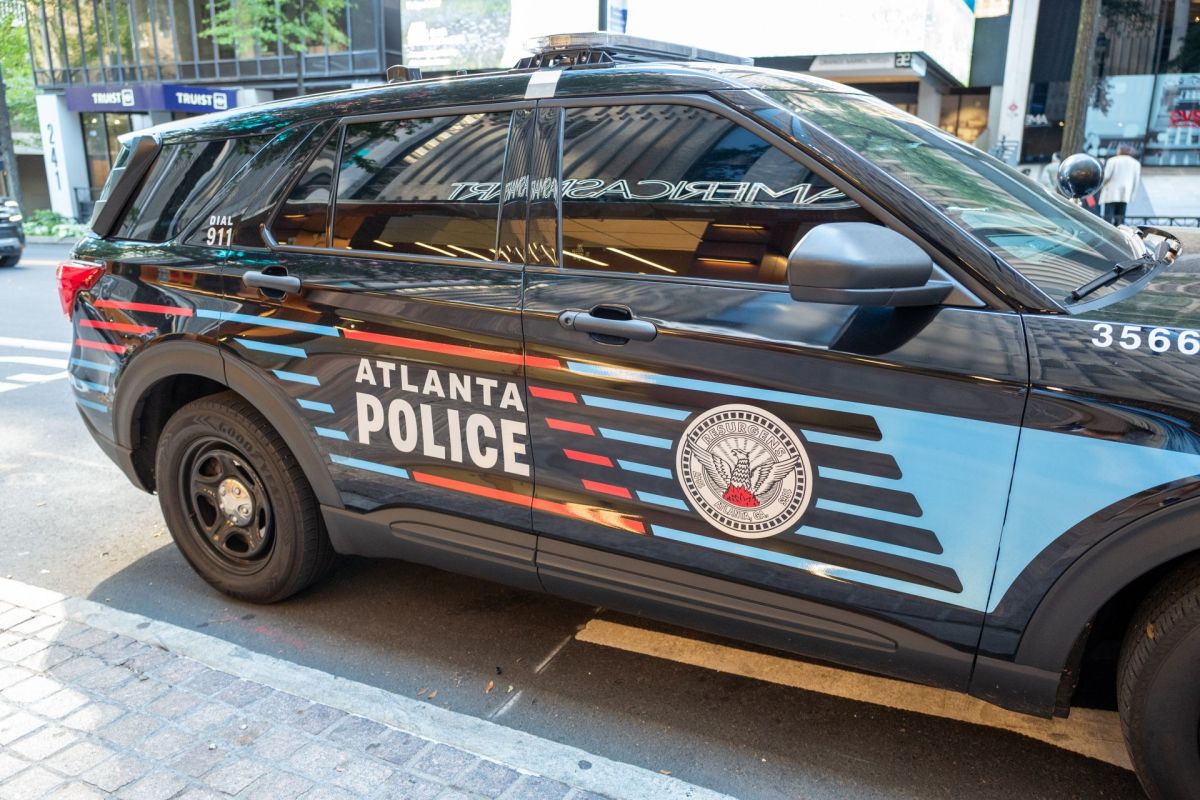
Atlanta wound up with more than 5,000 Flock cameras after the technology was promoted as a way to help police solve more crimes.
New FBI figures suggest the bargain has offered little in return, with a major expansion in surveillance but scant evidence of better results for residents.
What happened?
According to Futurism, Flock Safety launched in 2017, and since then automatic license plate readers, or ALPRs, have spread rapidly across the country. The American Civil Liberties Union estimates that about 100,000 of the cameras have been installed nationwide.
Atlanta's especially broad use of the technology does not appear to have improved police clearance rates. The outlet relied on Atlanta Community Press Collective reporting about newly released FBI data from 2021 through 2025.
Over those years, Atlanta became the most saturated city in the nation, with more than 5,000 Flock cameras in place. Even with that level of coverage, the Atlanta Police Department reportedly saw clearance rates fall, not rise, in categories including homicide, robbery, larceny, and shoplifting.
Homicide offers one of the clearest examples. The clearance rate dropped from 53.4% in 2021 to 48% in 2025. Rape remained flat overall at 37.7% during the same period, even dipping to 21.2% at one point. Even motor vehicle theft — a category that would seem to benefit from car-tracking technology — improved by just 0.3 percentage points.
TCD Picks » Quince Spotlight
💡These best-sellers from Quince deliver affordable, sustainable luxury for all




Why does it matter?
These camera networks collect vast amounts of location data, meaning routine trips to work, school, stores, and medical appointments can be logged as part of a broader surveillance system.
If the public-safety payoff is hard to demonstrate, that kind of tracking becomes even more controversial. Critics say the systems can be misused, are hard to avoid once they are widely deployed, and can pull innocent people into investigations simply because a vehicle was recorded in the wrong place at the wrong time.
The situation also raises questions about business decisions that expand intrusive technology faster than public accountability can keep up. If a company markets a product as a public-safety solution but real-world results barely change, communities may be left carrying the cost — both financially and personally.
What's being done?
DeFlock Atlanta is pushing back and asking officials to justify the city's surveillance buildup with real evidence rather than marketing claims. The newly released data is giving those critics fresh support as they call for tighter oversight and a more honest public conversation about what these systems actually deliver.
As Len Phillips, head of the anti-ALPR community group DeFlock Atlanta, said, per Futurism, the "public has been asked to accept a significant expansion of surveillance based on the promise that it would dramatically improve public safety."
In reality, he said, that tradeoff between safety and civil liberties "was just a one-way transaction."

Get TCD's free newsletters for easy tips, smart advice, and a chance to earn $5,000 toward home upgrades. To see more stories like this one, change your Google preferences here.






