


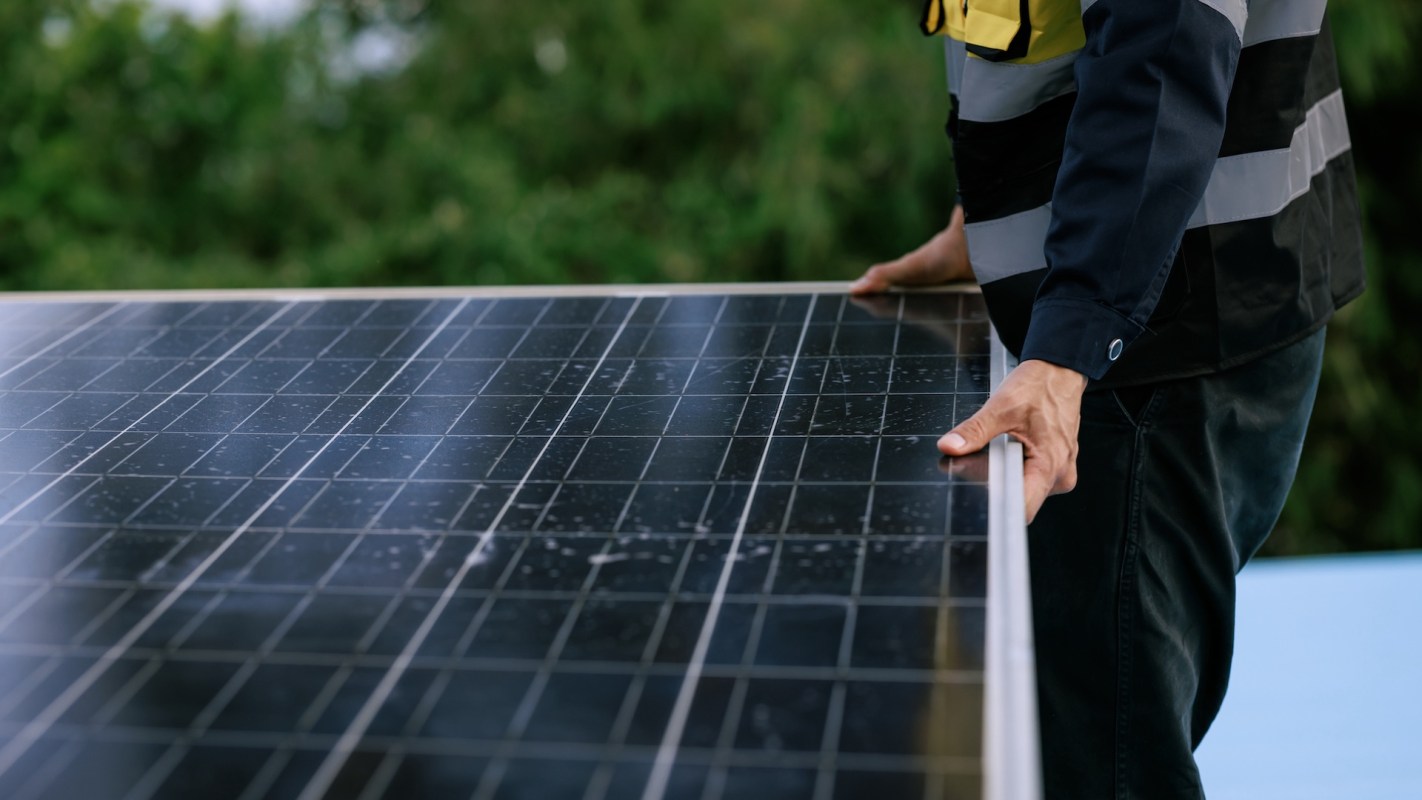
A Reddit user near Atlanta was looking for a modest solar backup plan to keep refrigerated food safe during a blackout, rather than jumping straight to a whole-house setup.
The central question was simple: could a portable power station and a single 400-watt panel realistically cover a refrigerator and maybe a chest freezer too?
Here's what to know
On Reddit, the OP, who has accessible south-facing roof space and lives in sunny Atlanta, said they were "toying with the idea" of using an Anker Solix S2000 with a 400-watt panel to back up a fridge and ideally a chest freezer. Most users thought the general approach could work, but many said the specific equipment was overpriced.
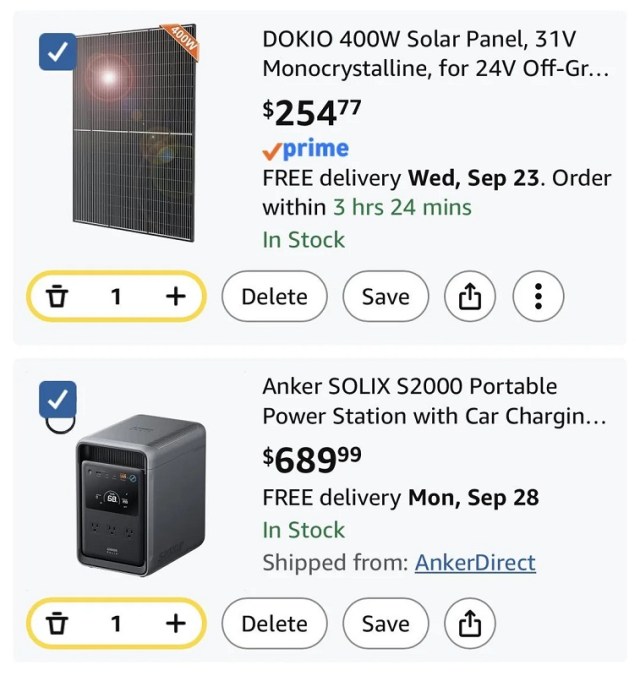
One user said, "Look for cheap used solar on fb marketplace. I bought used 3pcs 400w for $60 each."
Others echoed that advice, though several noted that secondhand supply can vary widely by location, making strong deals easier to find in some areas than in others.
Several users said the panel is only one part of the equation, and battery size may matter even more for appliances that cycle on and off throughout the day. Going solar is one of the best ways to save money on home energy. Homeowners curious about what a larger rooftop setup might cost can try EnergySage to get free solar installation estimates and compare quotes.
More background
A 400-watt panel may help recharge a battery station, but whether that setup can keep a fridge and freezer running for long depends on sun exposure, appliance efficiency, battery capacity, and startup power demands.
One user said they use a 2,048-watt-hour power station to "peak shave most of my kitchen on it full time." Another advised the OP to "consider a larger battery if you have the budget if you have a power hungry fridge/freezer." Together, those replies suggested that small-scale solar-plus-storage can work when it is matched to actual household usage.
Save $10,000 on solar panels without even sharing your phone number Want to go solar but not sure who to trust? EnergySage has your back with free and transparent quotes from fully vetted providers that can help you save as much as $10k on installation. To get started, just answer a few questions about your home — no phone number required. Within a day or two, EnergySage will email you the best local options for your needs, and their expert advisers can help you compare quotes and pick a winner. |

What can be done?
Measuring actual electricity use is the first step. A fridge and chest freezer may sound modest, but their power draw can vary significantly, and users urged the OP to compare panel voltage, battery size, and local panel prices before making a purchase.
Adding battery storage to a solar setup is one of the best ways to protect your home during outages, save on energy costs, and go off-grid. It can also make a smaller solar array more useful by storing daytime power for nighttime use. Homeowners can explore EnergySage for information about home battery storage options, including competitive installation estimates.
With EnergySage's help, the average person can save up to $10,000 on solar purchases and installations. EnergySage's solar map shows the average cost of a home solar panel system by state, along with solar incentives for each state, which can help homeowners get the best price for rooftop solar panels and access available incentives.
Where can I learn more?
If you're weighing a small solar backup system, these stories take a closer look at batteries, panels, and what it really takes to keep essentials powered. They cover real-world fridge backup setups, home batteries, utility programs, and homeowner experiences with solar costs.
More From EnergySage
💡Go deep on the latest news and trends shaping the residential solar landscape


• One household found a backup solar setup could keep a fridge running 24 hours.
• Across U.S. homes, next-gen backup batteries are replacing noisy gas generators.
• VillaGrid said its home energy storage appliance can keep fridges cold through blackouts.
• In Utah, Rocky Mountain Power's grid-connected home batteries showed promise during outages.

Get TCD's free newsletters for easy tips, smart advice, and a chance to earn $5,000 toward home upgrades. To see more stories like this one, change your Google preferences here.






