


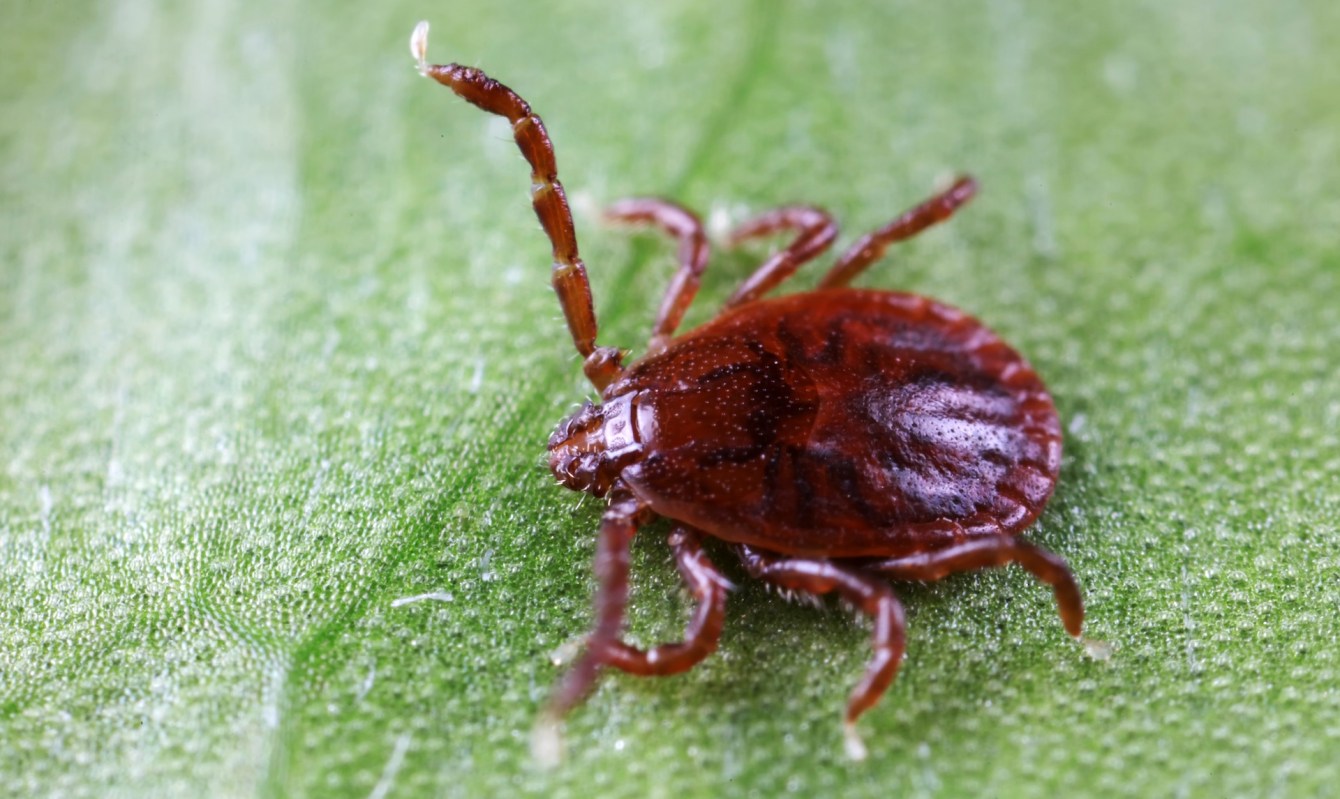
Asian longhorned tick females don't need males to reproduce, and Arkansas cattle producers are worried about them, Little Rock Public Radio reported.
Because just one tick can lay eggs, populations can build fast, making outbreaks difficult to contain for ranchers already navigating animal health concerns and narrow profit margins.
What's happening?
Since the Natural State recorded its first confirmed sighting in 2018, the Asian longhorned tick has become established in 10 counties in the northern part of the state, and 15 counties have logged confirmed cases of theileriosis, according to LRPR.
In cattle, theileriosis can cause weakness, jaundice, miscarriage and even sudden death.
Andrew Fidler, Arkansas' head veterinarian, told farmers during a May webinar that vets must notify state or federal agencies when cases are confirmed. However, he also made clear that a diagnosis does not set off a government response.
"There's no state or federal action associated with theileriosis in terms of the animal or the herd that the animal comes from," Fidler said, per LRPR.
TCD Picks » Quince Spotlight
💡These best-sellers from Quince deliver affordable, sustainable luxury for all




Why does it matter?
For cattle producers, the spread of this tick could mean more animal losses, higher treatment costs, and greater uncertainty.
Rural communities depend on healthy herds, and livestock illness can ripple through local economies and food systems.
The critter's ability to reproduce alone is a major reason for concern since a single female can lay eggs, allowing an infestation to build on one animal and spread quickly.
What's being done?
State and university experts are urging farmers to focus on early management and herd-wide prevention. That includes watching for symptoms, reporting confirmed infections, and taking tick control seriously to prevent infestations.
University of Arkansas Division of Agriculture entomologist Kelly Loftin said the pest can be managed with insecticides or prescribed burns. Those measures may lower tick numbers on cattle and in pastures.
Other practical steps include checking cattle regularly, working with veterinarians when animals show signs of illness, and treating entire herds rather than isolated cases.
"Maintain tick control the best you can, treat all animals in the herd, brush all the pastures, and you may consider testing symptomatic animals when you start talking about theileriosis," Loftin advised.

Get TCD's free newsletters for easy tips, smart advice, and a chance to earn $5,000 toward home upgrades. To see more stories like this one, change your Google preferences here.






