


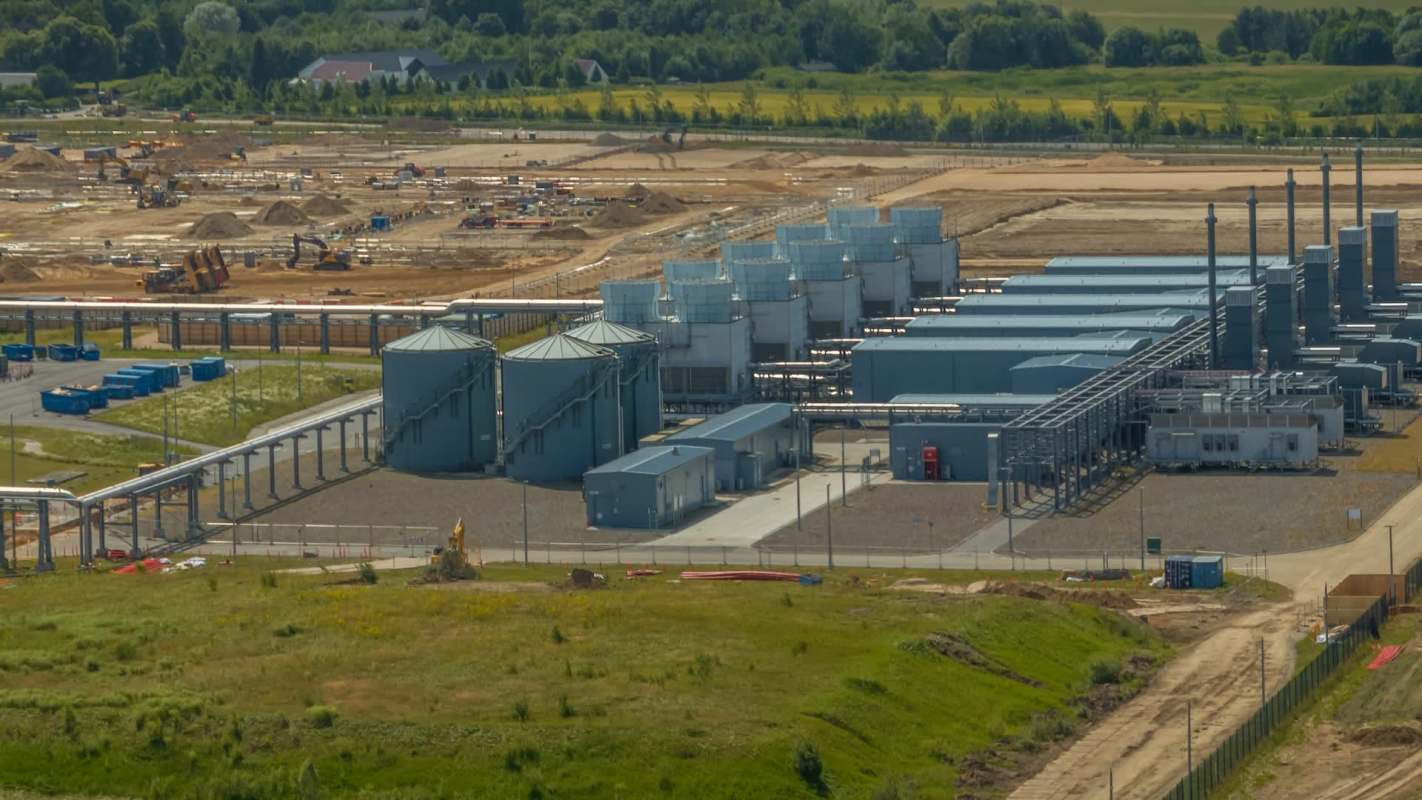
Construction has already begun on EdgeConneX's planned two-data-center complex in Ashville, Ohio, yet voters still have to decide whether to keep or repeal the agreement tied to the project, which opponents say sits near homes and children's play areas.
The ballot fight has become one of the clearest signs in central Ohio of local pushback against the rapid expansion of data centers and the massive power demands that come with them.
Here's what to know
Among the five data center questions appearing on ballots in central Ohio, Ashville's will ask voters on Nov. 3 whether to scrap the village agreement with EdgeConneX that governs negotiations over the two proposed facilities, NBC4 Columbus reported.
Even if voters repeal that agreement, the Ashville development would not stop. Backers of the referendum said the change would end special benefits for EdgeConneX and make the proposal follow the same village rules as other projects.
To power the complex, EdgeConneX is seeking approval from the Ohio Power Siting Board for a dedicated 800-megawatt plant on the site.
Referendum supporters also see the vote as a message to state regulators, saying a result against the agreement would show continued local resistance to both the data centers and their proposed power source.
TCD Picks » Quince Spotlight
💡These best-sellers from Quince deliver affordable, sustainable luxury for all




More background
Residents opposing the EdgeConneX plan have argued that it would be built too close to houses and areas where children play. They also want to preserve Ashville's rural character and fear the development could change daily life without delivering enough jobs or community support in return.
Facilities like the ones planned in Ashville help run cloud computing and artificial intelligence systems, tying their growth directly to the electric grid.
That connection could bring benefits, including AI tools that help manage and optimize cleaner energy systems. But in Ashville, the debate has also centered on enormous electricity demand, the need for major new power infrastructure such as an 800-megawatt plant, and the possibility that residents could end up bearing indirect costs.
Another flashpoint came on Oct. 8, when EdgeConneX gave the village $3.5 million. Village leaders said the money was designated as $1 million for parks and recreation, $700,000 for wastewater upgrades, and $1.8 million for engineering work tied to an ongoing wastewater project.
Because work is in progress, the referendum cannot directly stop construction.
What's being done?
Ashville voters can vote on the EdgeConneX agreement referendum during early voting or on Election Day.
Supporters of the referendum are also looking to the next major decision point: state review of the onsite 800-megawatt plant. Their plan is to point to the village vote before the Ohio Power Siting Board as evidence that local opposition remains strong.
A repeal would not erase the construction site, but it could alter the local terms around the project and increase political pressure on the still-pending power plant decision.
Where can I learn more?
Ashville's fight echoes battles in Ohio and beyond as communities push back on data center projects through courts, referendums, and local approval fights. They cover similar disputes over ballot measures, emergency votes, long-term power deals, and campaigns to sway public opinion.
• In Wilmington, officials pursued an emergency vote on a $4 billion AWS data center.
• In Trenton, the Ohio Supreme Court ordered a vote on a proposed data center ban.
• In Piqua, city leaders approved a 30-year power deal for Meta's planned data center.
• Across Kansas, Ohio, and Wisconsin, developers launched a multimillion-dollar push to sway data center voters.

Get TCD's free newsletters for easy tips, smart advice, and a chance to earn $5,000 toward home upgrades. To see more stories like this one, change your Google preferences here.






