


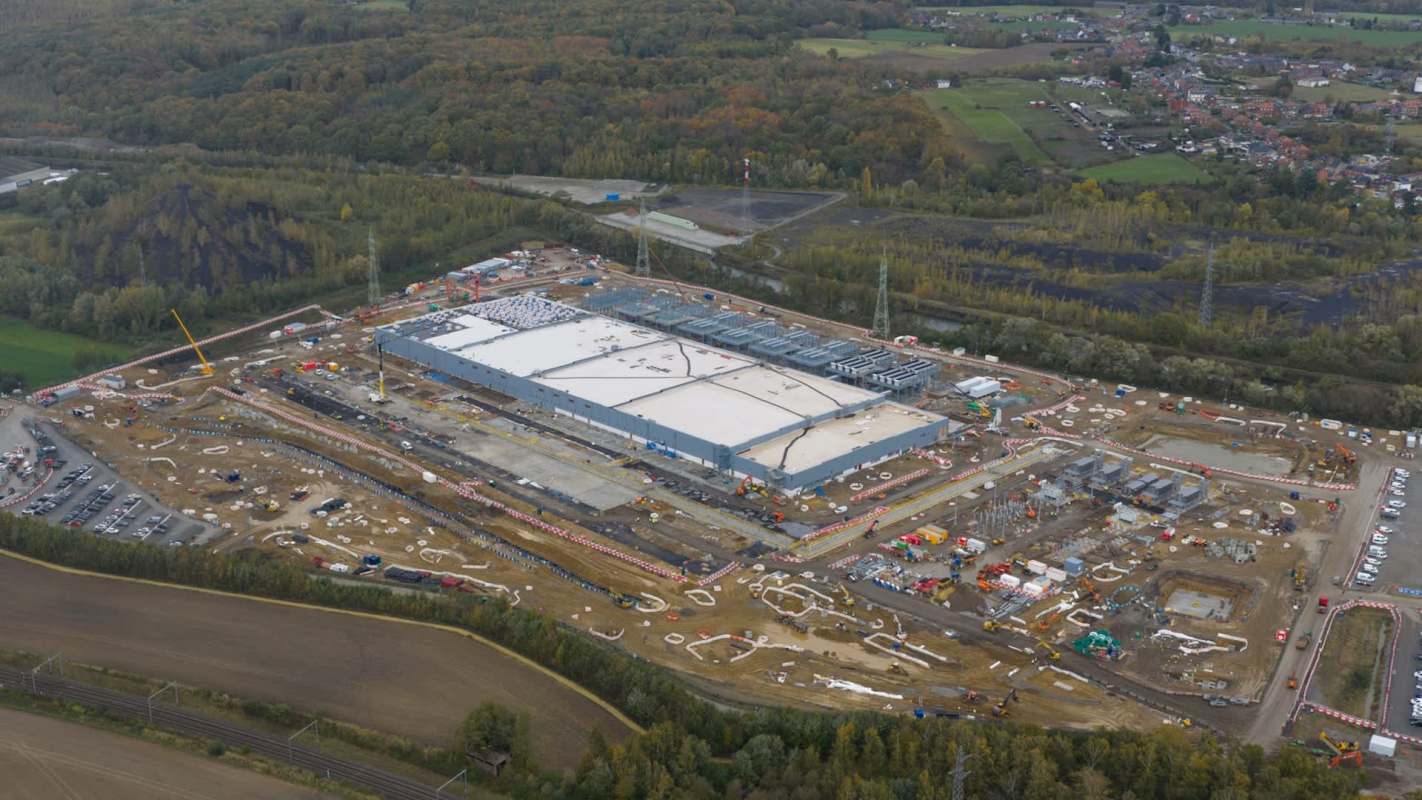
A surge in data centers, including many built for artificial intelligence computing, is pushing Arizona utilities below the power reserves they say they want to maintain.
At peak demand, Arizona Public Service and Salt River Project each had reserve margins of about 10%, rather than the 15% to 16% cushion they target, KJZZ reported.
Here's what to know
Arizona's nearly 100 existing data centers are already tightening short-term power availability, with utilities warning that peak demand is climbing faster than expected.
APS indicated that data centers made up about 5% of its peak load in 2025 and are projected to account for about 7% in 2026.
On July 24, Salt River Project customers used 9,072 megawatts from a system with about 10,000 megawatts of installed supply.
Scott Scharli, SRP's director of strategic energy management, estimated that was "roughly 500 megawatts more than where we were before," adding that "a decent chunk" of the increase came from larger loads such as data centers.
TCD Picks » Quince Spotlight
💡These best-sellers from Quince deliver affordable, sustainable luxury for all




The rejected La Osa proposal near Eloy, planned for an unnamed AI customer, projected peak demand of 3 gigawatts. That's enough electricity for 2.4 million homes, and Arizona has about 3.3 million homes overall, according to the Census data.
AI and the grid are becoming increasingly intertwined because AI models heavily rely on energy-intensive data centers.
Supporters claim AI could help optimize complex systems, including parts of the energy system, but the rapid buildout has also raised concerns about electricity use, water demand, security and misuse risks, and higher costs passed on to customers.
More background
APS has been seeking bids since 2023 for 8 gigawatts of added capacity to have in place by 2031.
Mike Eugenis, APS's director of resource planning, noted that the utility spent roughly 140 years building a system capable of meeting 9 gigawatts of peak demand.
Eugenis acknowledged that four-and-a-half of the 9 gigawatts would go "purely [to] data centers," while the rest would likely support reserves or other large manufacturing.
For SRP, 10 new data center customers are already under construction at various stages. Together they could require about 2 gigawatts of added capacity, and about 2.4 gigawatts of transmission would need to be built for those 10 projects in the queue.
Scharli noted that those facilities can take five to 10 years to fully ramp up, so not every proposed project will necessarily reach full demand.
Utilities must decide what to build before finalizing each project.
In 2024, the Arizona Corporation Commission approved a 9.47% return for APS shareholders.
APS is also seeking a 14% to 16% residential rate increase — even as critics cautioned that grid costs linked to data center growth are spilling over to households and small businesses.
What's being done?
Utilities and state officials are trying to limit that risk in a few different ways.
SRP spent more than a year developing a process to isolate generation needs for large new customers so it can track those costs separately and recover them through minimum demand charges, per Scharli.
Scharli said a data center must cover 60% of service-related system-upgrade costs before SRP builds a single pole or line. The goal is to reduce the chance that other customers will be left paying for those investments if a major project is canceled.
The developers behind Casa Grande's Grande Valley data center have said they want to explore powering the site independently to avoid backlash over rising power bills, though most facilities still seek grid connections for reliability.
Arizona Attorney General Kris Mayes has called for a Corporation Commission audit tied to a consumer advocate study from data analyst Abhay Padgaonkar.
It found APS may have collected up to $600 million in new fuel costs over three years from residential and small commercial customers, even as demand from large users like data centers grew 27%.
"And that works great when there is a small amount of demand, but as soon as you have one customer and two customers and three customers and four customers — the layering of assumptions starts turning into a risk and basically a time bomb," Scharli observed.
Where can I learn more?
Arizona's shrinking reserve margins are one piece of a broader fight over how fast power-hungry data centers should expand. The articles below cover Arizona's efforts to pause projects, local concerns about health and utility impacts, and rising electric bills nationwide.
• Arizona AG Kris Mayes backed a new data center halt as water cuts and bills worsened.
• Pima County advanced a four-month halt on new data centers over water and power demands.
• In Pima County, heat, air, and noise risks added to opposition against data centers.
• Across the U.S., AI-driven data center growth threatens to push household electric bills higher.

Get TCD's free newsletters for easy tips, smart advice, and a chance to earn $5,000 toward home upgrades. To see more stories like this one, change your Google preferences here.






