


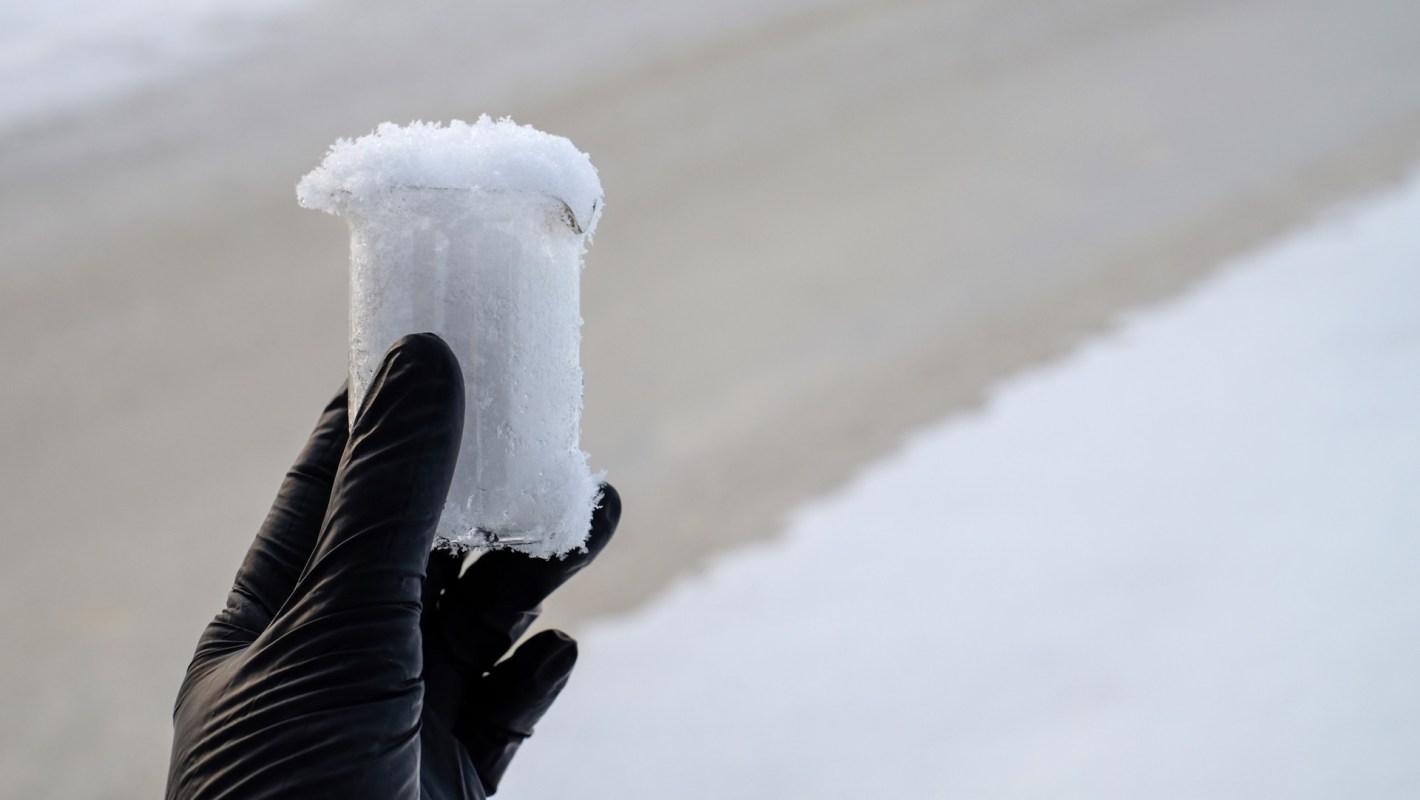
Researchers identified a Montana copper company as the probable source of industrial arsenic pollution preserved in Arctic ice, Science News reported.
Ice samples showed concentrations as high as 15 times the preindustrial baseline, and communities near the company's operations faced decades of exposure.
Here's what to know
The study examined 10 ice cores from Canada, Greenland, and Russia.
Environmental scientist Joseph McConnell of the Desert Research Institute conducted the analysis with his colleagues.
Their findings, published Nov. 3 in the journal Nature Sustainability, point to the Anaconda Copper Mining Co.'s mining and smelting operations in southwestern Montana.
Arsenic concentrations were notably high in layers from 1870 to 1914, within a record containing material that dated as far back as 210 B.C.
TCD Picks » Quince Spotlight
💡These best-sellers from Quince deliver affordable, sustainable luxury for all




The largest increases appeared in Greenland, offering a clue to the pollution's origins.
Because atmospheric circulation generally carries material from west to east, the pattern indicated North America as a likely point of origin. A European source would have produced larger increases in the Russian Arctic, McConnell explained.
Anaconda was among North America's largest copper operations during that period.
Unlike other nearby operations, however, it processed ore containing arsenic and lead.
More background
Using the ice's arsenic concentrations and atmospheric transport models, McConnell's team calculated that Anaconda released roughly 30 tons of arsenic into the atmosphere daily during the final decades of the 1800s and the early decades of the 1900s.
For comparison, Chile — the world's largest copper producer, with more than 20 mining operations — collectively emits about one-quarter that amount.
Historian Fred Quivik, author of Smoke and Tailings, described the damage people living near the smelting operations witnessed.
"Ranchers and farmers started seeing their livestock die from arsenic poisoning," he told Science News.
The company's former grounds include several designated Superfund sites.
Arsenic exposure has been associated with higher rates of cancer, while heavy metal pollution has been linked to cognitive declines.
What's being done?
In 1919, Anaconda installed equipment alongside smokestacks and at other facilities to trap arsenic before it escaped into the air.
The ice core record indicates that arsenic emissions fell by about 60% after the equipment was introduced.
By then, however, hundreds of thousands of nearby residents had already endured decades of exposure. McConnell noted that the company could have reduced that burden by installing the pollution control technology sooner.
"They delayed installation for about a decade," he told Science News.
McConnell and his team propose combining the pollution record preserved in the ice with census records. This approach could help trace the effects of the emissions on people during the 1800s and 1900s, connecting atmospheric evidence to historical health outcomes.
"We hope that epidemiologists will take this information and really investigate potential impacts on human populations," McConnell told the outlet.
Where can I learn more?
Communities are still grappling with arsenic contamination and pollution from mining. These stories cover mining-related water risks and a dispute over mercury cleanup.
• Colorado's mining pollution spread downstream after a river turned orange, reaching Lake Powell.
• A proposed American mine could threaten drinking water supplies in Fort Frances, Ontario.
• Maine sued Mallinckrodt over stalled mercury cleanup efforts near the polluted Penobscot River.

Get TCD's free newsletters for easy tips, smart advice, and a chance to earn $5,000 toward home upgrades. To see more stories like this one, change your Google preferences here.






