


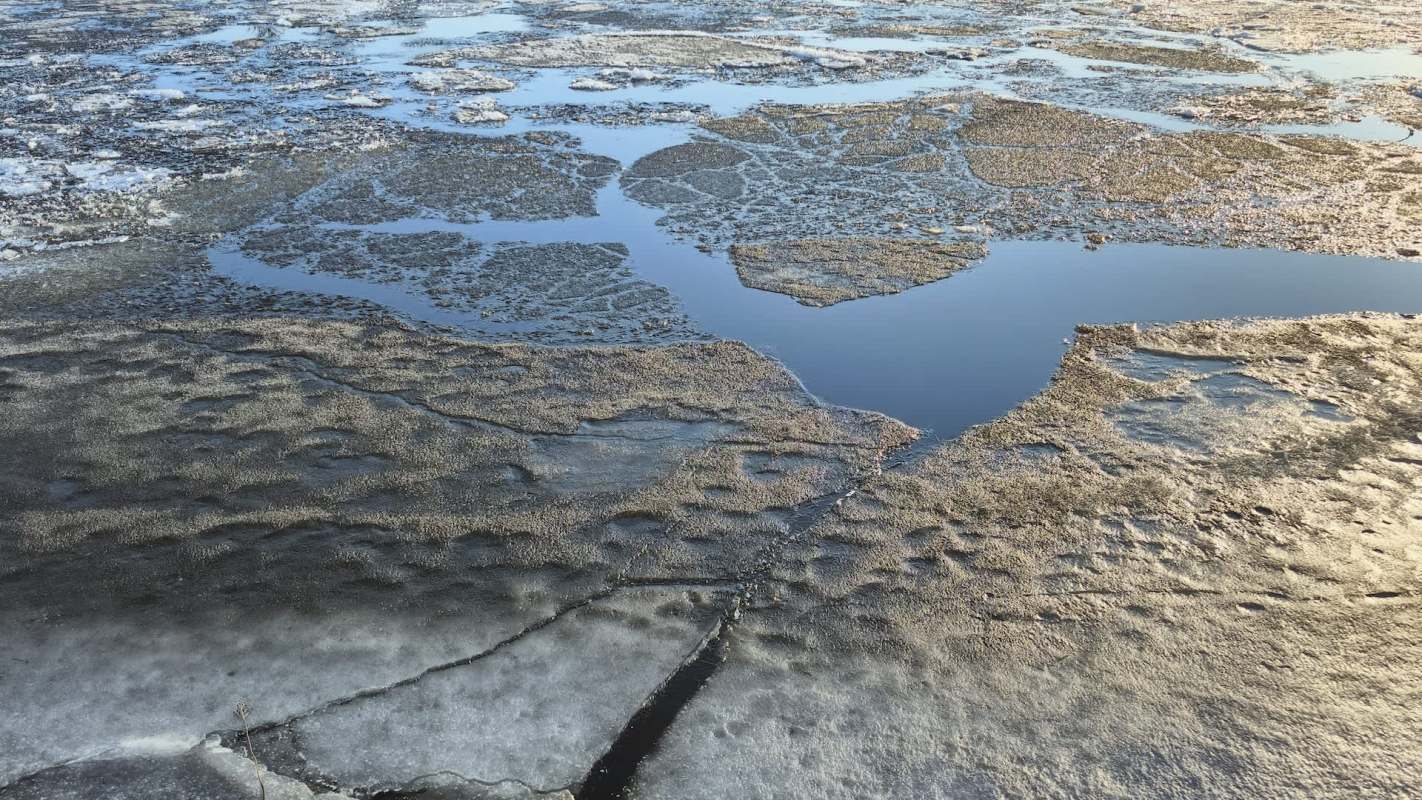
Heat that would seem more at home in central Florida has reached the far north.
As Scientific American reported, weather stations in northern Russia climbed past 90 degrees Fahrenheit near the Arctic Circle. The readings are shocking on their own, but they also point to a broader climate reality that what happens in the Arctic does not stay in the Arctic.
What happened?
Weather service data from Ogimet, cited by climatologist Maximiliano Herrera, showed unusually high temperatures at two stations in northern Russia. Selagoncy, close to the Arctic Circle, reached 93.0 degrees Fahrenheit, or 33.9 degrees Celsius, while Olenyok hit 90.9 degrees Fahrenheit, or 32.7 degrees Celsius.
For comparison, Scientific American noted that's about what Orlando, Florida, typically sees during its hottest stretch of the year. That's a jarring benchmark for northern Russia.
The spike is part of a broader run of shattered heat records in several places, including parts of the United States.
Independent meteorologist Alan Gerard said the record readings align with a pattern researchers have been documenting for years.
TCD Picks » Quince Spotlight
💡These best-sellers from Quince deliver affordable, sustainable luxury for all




"Studies in recent years have shown that the Arctic is warming much more rapidly than the rest of the planet due to feedback from the loss of sea ice—so it is not surprising that we are seeing these all-time record temperatures at high latitudes," Gerard explained, per Scientific American.
Why does it matter?
Scientific American previously reported that the Arctic may be warming as much as four times faster than the rest of the world. A major driver is the retreat of sea ice, per the outlet.
With less bright ice to reflect sunlight back into space, darker ocean water takes in more heat, which leads to still more ice loss. The upshot is more climate upheaval elsewhere.
Worsening extreme weather disasters endanger lives and livelihoods by increasing heat-related illness, putting outdoor workers at greater risk, straining power systems, and damaging crops, homes, and infrastructure.
Even for those living far from the Arctic, warming in the region is part of the broader climate instability already affecting communities around the world.
What's being done?
Scientists and weather observers are continuing to track these temperature spikes closely, helping document how quickly climate patterns are shifting and giving communities better information for planning.
Gerard said a potentially record El Niño could amplify the broader trend. That weather pattern translates to very high ocean temperatures in the Pacific Ocean that can lead to extreme weather in other parts of the world including drought, major rainfall, and heat waves.
"With the building potentially record El Niño, it is likely that in 2027 we will see even more record heat than we are seeing this year," Gerard told Scientific American.

Get TCD's free newsletters for easy tips, smart advice, and a chance to earn $5,000 toward home upgrades. To see more stories like this one, change your Google preferences here.






