


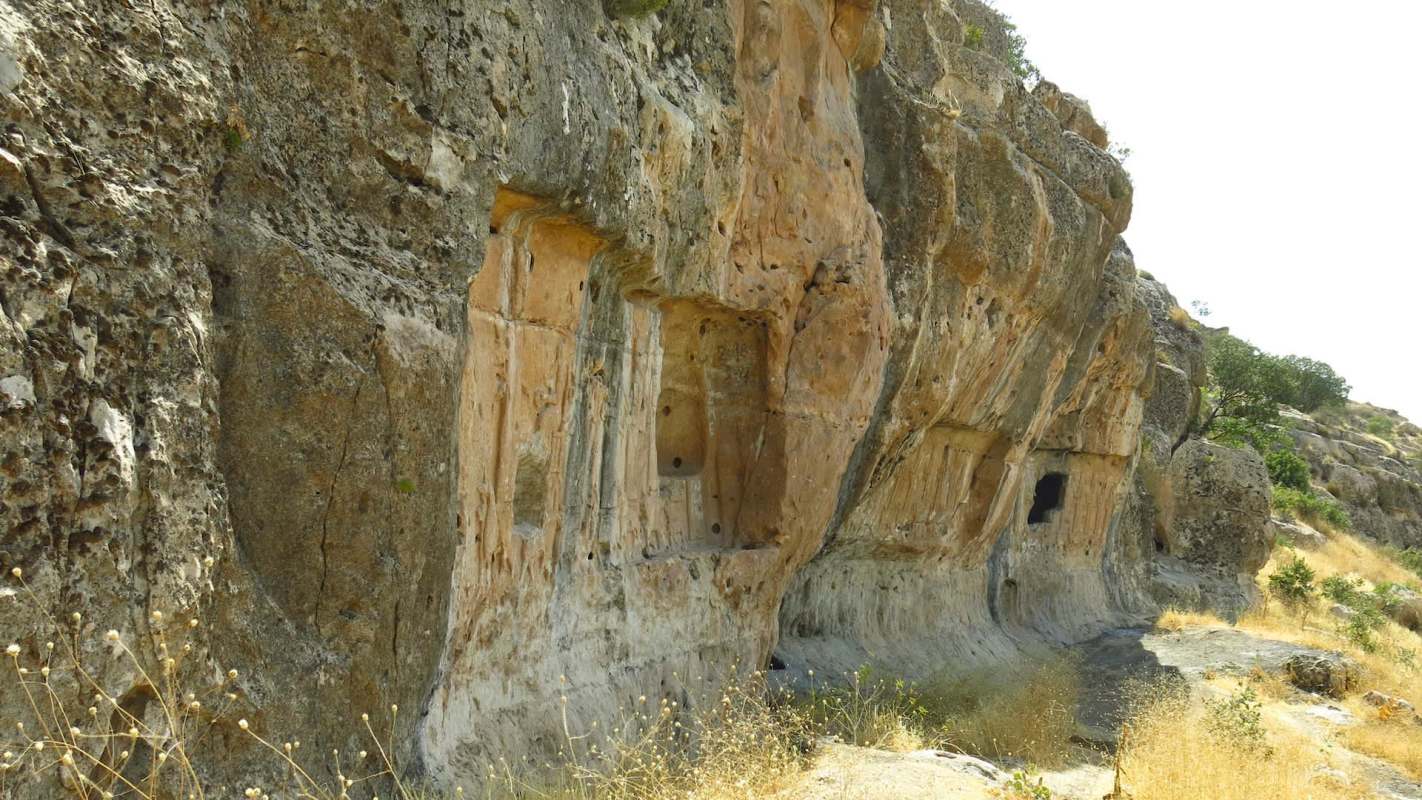
Archaeologists working in northern Iraq believe they may have uncovered the remains of an ancient city whose destruction is described in ancient Mesopotamian texts.
What happened?
According to a report from The Debrief, archaeologists working in Iraq's Kurdistan region during the 2024 and 2025 excavation seasons say they recovered 20 tablets bearing ancient writing, along with more than 100 administrative sealings found within buried layers of destruction across the region.
Several of those tablets appear to have been written only days apart, apparently near the time of the city's collapse. Researchers say that timing allows an unusually close match between the written record and the physical evidence.
Across the excavated area, archaeologists documented fallen architecture, burn deposits, and large quantities of broken pottery, which they interpret as signs of a prolonged assault on the city.
They also reported two superimposed destruction layers that they say fit the recorded conquest of Qabra. In those layers, bioarchaeologists recovered the remains of 17 people, including some who seem to have died where they fell.
Why does it matter?
The site could reshape how people understand early cities in Mesopotamia and provides rare physical evidence of a city's collapse that has long been described in ancient texts.
TCD Picks » Quince Spotlight
💡These best-sellers from Quince deliver affordable, sustainable luxury for all




The Debrief noted that geophysical survey work across more than 80 hectares has provided an outline of what the city looked like before the assault, including a monumental wall with bastions, a preserved street, drainage systems, and areas associated with food processing and textile production.
The site's complexity could help scholars better understand ancient cities.
Tiffany Earley-Spadoni, a University of Central Florida associate professor of history and director of the Kurd Qaburstan Project, said the discovery challenges long-standing assumptions about the ancient region.
"The evidence from Kurd Qaburstan shows that northern cities could be large, complex, and politically significant, with administrative systems, fortifications, and infrastructure comparable to those of the best-known southern sites," Earley-Spadoni says.
Other researchers are focused on what the newly uncovered archive may reveal next. Epigraphers Paul Delnero and Parker Zane, working with art historian Marian Feldman, are now translating the tablets, including a letter that could refer to a senior official from Qabra — a clue that could further link the site to the city described in ancient texts.

Get TCD's free newsletters for easy tips, smart advice, and a chance to earn $5,000 toward home upgrades. To see more stories like this one, change your Google preferences here.






