


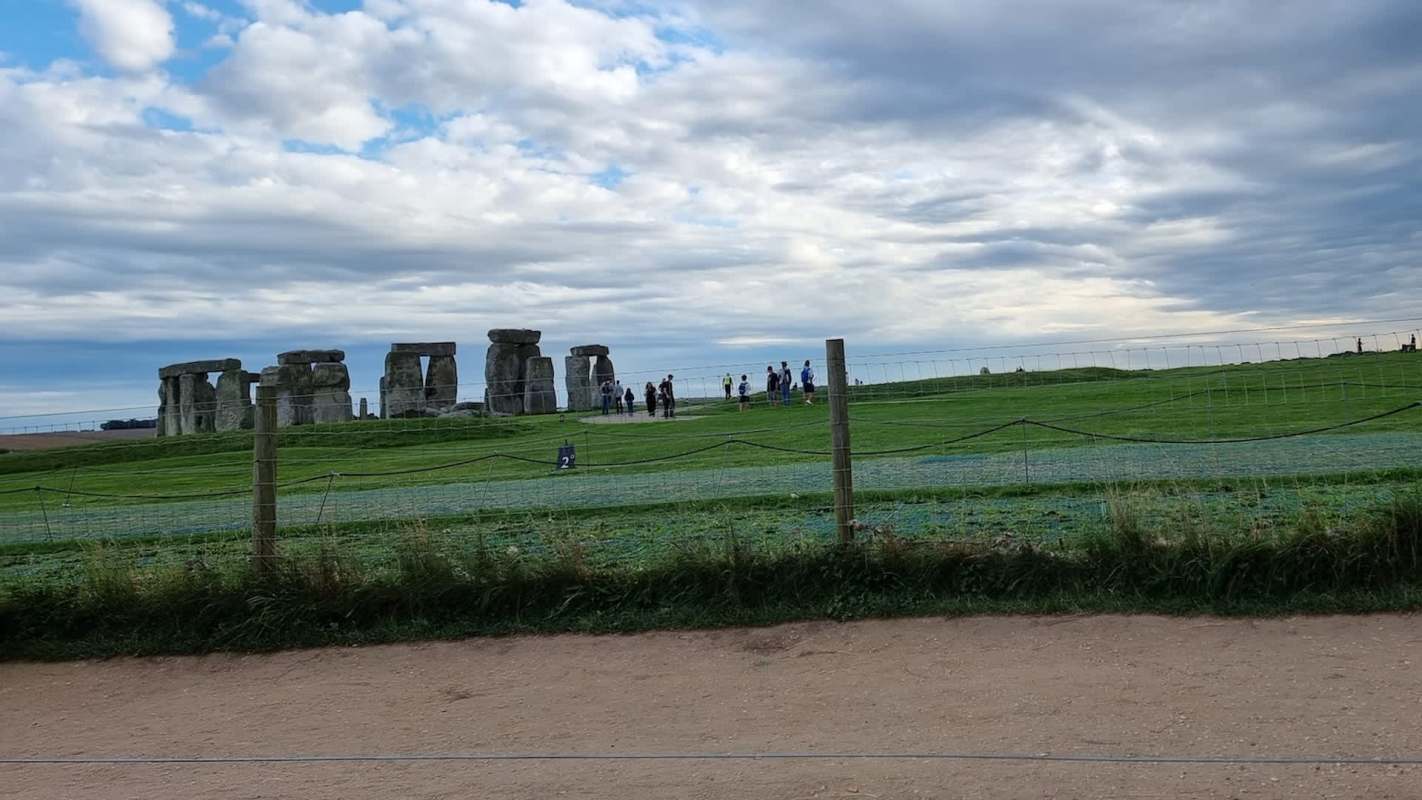
A few miles from Stonehenge, archaeologists say they may have found a less elaborate monument from an earlier period that was oriented to the same events in the sky, NBC reported. The discovery could change how experts interpret one of Britain's most famous prehistoric landscapes.
The announcement is also drawing attention ahead of the summer solstice, when people are expected to return to Stonehenge for the longest day of the year.
What happened?
During work in Bulford, England, about 3 miles east of Stonehenge, archaeologists led by Phil Harding identified two sizable pits that probably once supported massive wooden posts.
In a news release, Wessex Archaeology said the site dates to about 3000 B.C., making it roughly 500 years older than Stonehenge.
The wood itself has long since disappeared, but researchers said the posts seem to have been set out to align with the summer solstice sunrise and the winter solstice sunset, echoing Stonehenge.
The excavation also turned up pottery, flint tools, and animal bones.
TCD Picks » Quince Spotlight
💡These best-sellers from Quince deliver affordable, sustainable luxury for all




Together, those finds suggest the location was likely more than a simple landmark. Researchers think it may have served as a place for rituals and gatherings.
Why does it matter?
The discovery suggests the ideas behind Stonehenge may have emerged earlier, and in a more modest form, than archaeologists previously understood.
Rather than appearing all at once as a monumental stone structure, this kind of astronomical site may have developed gradually over generations.
Stonehenge draws most of the public attention, but nearby sites such as Bulford may point to a broader network of places where prehistoric people gathered, marked time, and created meaning into the environment around them.
What are people saying?
Harding said the excavation may require experts to rethink the timeline they have long used to interpret monuments like these.
"Up till now, our knowledge of this ancient feat of astronomy was based on Stonehenge and other monuments of a similar period," Harding said. "But what we've discovered at Bulford is 500 years earlier than the famous stones we know so well."
"Social cohesion and bringing people together could also have been one of the purposes for such monuments," said Jennifer Wexler, curator of history at English Heritage. "People gather from all over the place to have massive feasts and celebrate these key moments in the seasonal calendar at a really grand scale."

Get TCD's free newsletters for easy tips, smart advice, and a chance to earn $5,000 toward home upgrades. To see more stories like this one, change your Google preferences here.






