


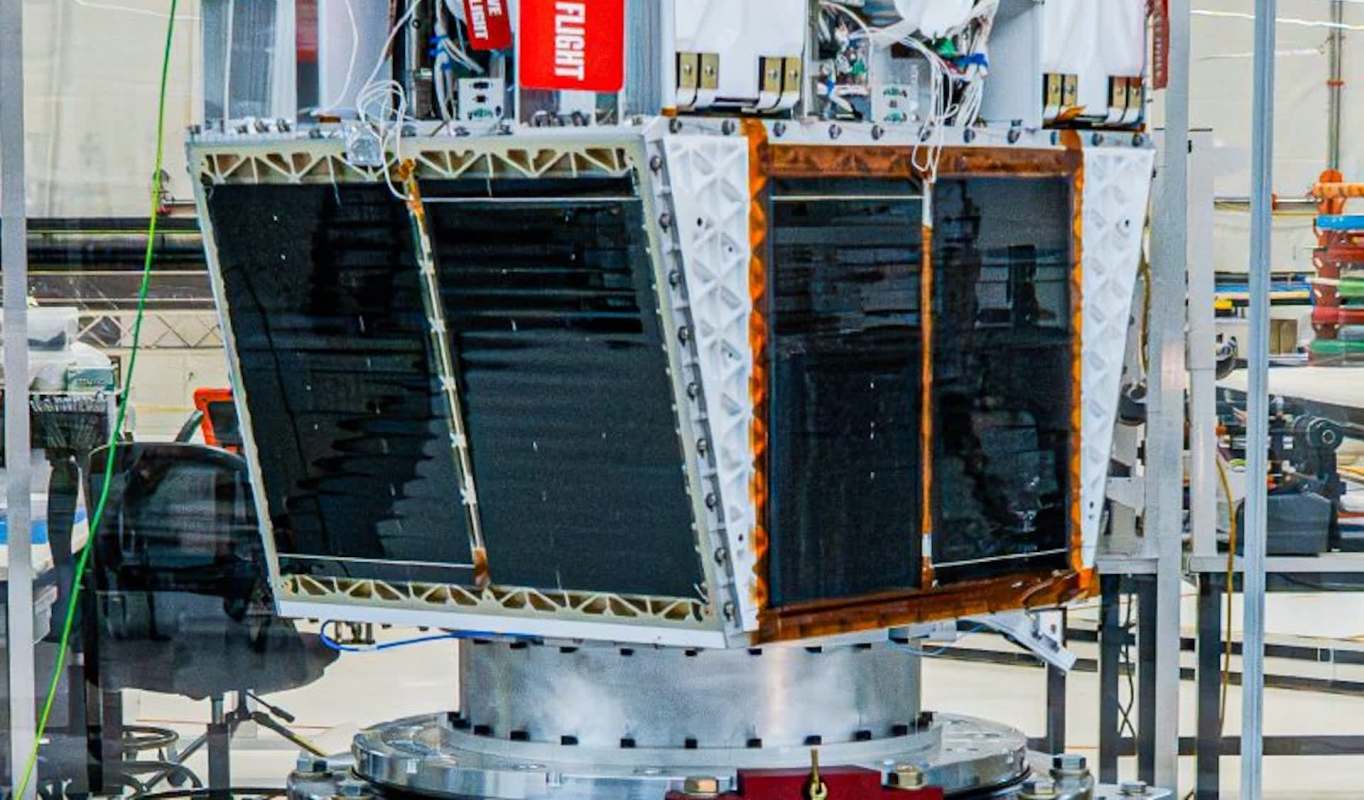
Experts are warning that a new satellite designed to unfurl a giant mirror in space and point it at Earth could pose serious risks to astronomers and ecosystems alike.
What happened?
According to The Verge, after gaining approval from the Federal Communications Commission, California space technology company Reflect Orbital plans to launch a test satellite named Eärendil-1 that would aim a mirror nearly 60 feet across into orbit. There, it would be used to aim sunlight at a chosen place on Earth, lighting an area roughly three miles wide.
The test satellite, as reported by the outlet, would be a precursor to a fleet of 50,000 space mirrors designed to deliver sunlight on demand to boost crop yields, increase energy output for solar farms, or assist night-time search-and-rescue operations.
Despite the technology's potential, experts say one of the biggest worries is how bright that reflected light could be. The Verge reported that the satellite may appear about as bright as Venus to observers outside the targeted area, while the beam itself could make the illuminated zone about four times brighter than a full moon.
Another issue is the risk of observing the satellite with optical equipment. The Verge noted that Reflect Orbital said in its FCC filing that an astronomer viewing one of these satellites through a 12-inch telescope could suffer serious eye damage.
During a Russian mirror-satellite test in 2000, scientists said the glare hazard could be comparable to looking at the sun just before or after a solar eclipse, the outlet reported.
TCD Picks » Quince Spotlight
💡These best-sellers from Quince deliver affordable, sustainable luxury for all




The danger also reaches beyond observatories and backyard setups. Pilots have warned that moving beams might cause flash blindness in the air, and nighttime drivers could face similar problems if sudden glare hits their line of sight on the road.
The Verge reported that biologists also expressed concerns about disturbing the normal pattern of light and darkness, which can interfere with circadian rhythms tied to sleep in humans and animals. They also warn it could affect migration, plant growth, and ocean phytoplankton that support larger ecosystems.
Critics are frustrated that the technology is moving ahead even though key questions about safety, notice, and accountability remain unresolved.
Scientists, astronomers, and other experts are speaking out, arguing that any system capable of producing glare this intense should be subject to strict safeguards before launches are expanded. At minimum, critics want better coordination with observatories, aviation officials, and communities that could be affected by the beams.
The Verge reported that Reflect Orbital has not explained how the public would be alerted to when and where the service is being used.

Get TCD's free newsletters for easy tips, smart advice, and a chance to earn $5,000 toward home upgrades. To see more stories like this one, change your Google preferences here.






