


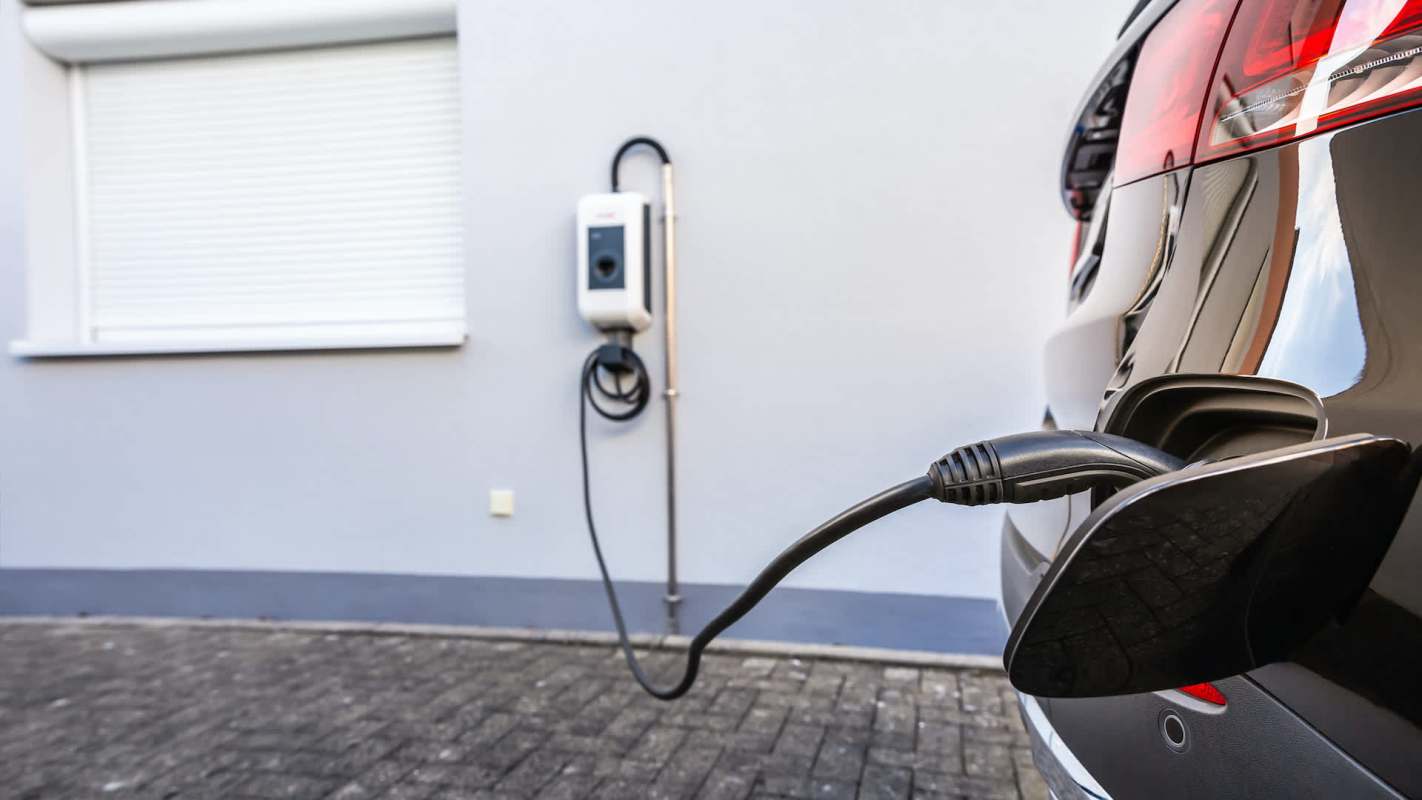
The cost of installing a home electric vehicle charger has sparked debate over how to make everyday charging more accessible, particularly for apartment residents without a place to plug in.
Here's what to know
As the post in Reddit's r/electricvehicles community stated, installation can cost $1,000 to $3,500, creating a significant obstacle for drivers hoping to charge at home.
The original poster argued that expanding Level 2 charging at homes, apartments, and workplaces should be a policy priority.
"The greatest benefit to getting an EV is charging in the convenience of home, at lower cost than L3 fast chargers, except the cost of installing one can be prohibitive," the poster wrote.
The poster called for financial help with wiring and more EV-ready buildings and parking areas, including options for drivers without private parking. These proposals targeted two barriers, including limited access to charging and the expense of installation.
More background
One commenter saw workplace chargers as a way for people without home charging to plug in during a shift and supported treating them as an employee benefit.
TCD Picks » Quince Spotlight
💡These best-sellers from Quince deliver affordable, sustainable luxury for all




Another commenter said a short shopping stop would not make Level 2 charging worthwhile, favoring 30- or 50-kilowatt direct-current chargers for 30- to 45-minute visits. A different commenter liked using Level 2 chargers while shopping or watching a movie.
Commenters also challenged the poster's dismissal of ordinary wall-outlet charging. One noted that lower-power charging can meet some drivers' daily needs and that lower-amperage Level 2 installations could help reduce wiring expenses.
What can be done?
The original poster wanted government assistance to focus on wiring costs. Incentives would cover at least half the expense of cable and conduit, with potentially smaller incentives for charging equipment.
They also proposed that businesses, retailers, and apartment properties plan for 50% of their parking spaces to be wired for EVs, starting with a requirement to wire at least 25%.
The poster suggested lowering charging bills with free or discounted rates during periods of solar production, potentially adjusting prices to reflect available output. The proposal also included curbside chargers and mandatory Level 2 cabling in new homes and buildings.
One commenter supported charging requirements for new construction and parking lots, as well as a "Right to Charge" to help tenants and employees overcome landlord barriers to installation.
Another commenter warned that free stations invite misuse, favoring reasonably priced public charging instead.
One commenter favored adding chargers where apartment residents already leave their cars.
"At home and at work are the best use cases for L2, but the only people who have full control over that are homeowners," they wrote. "Encouraging or requiring apartment owners to install charging for tenants is the next step towards enabling widespread EV adoption."

Get TCD's free newsletters for easy tips, smart advice, and a chance to earn $5,000 toward home upgrades. To see more stories like this one, change your Google preferences here.






