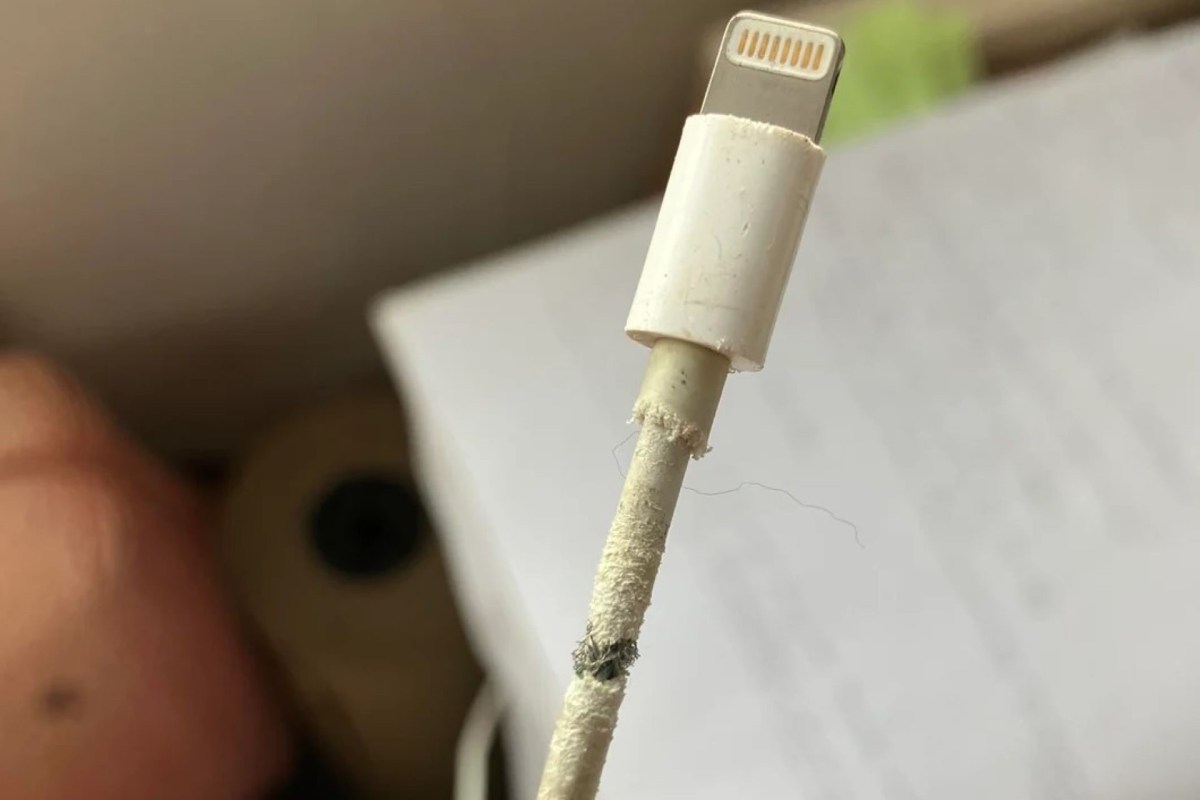
A Reddit post from Australia left people equal parts fascinated and uneasy after a user shared images of what ants did to their phone charging cable.
Amazed, they said the insects had chewed "all the way through to the wires."
Here's what to know
"Found these ants munching away at my phone charger in the studio," the original poster wrote. "Look at all those tiny bite marks! … And there were a number of larger ants hanging around too! Anyone have an explanation?"
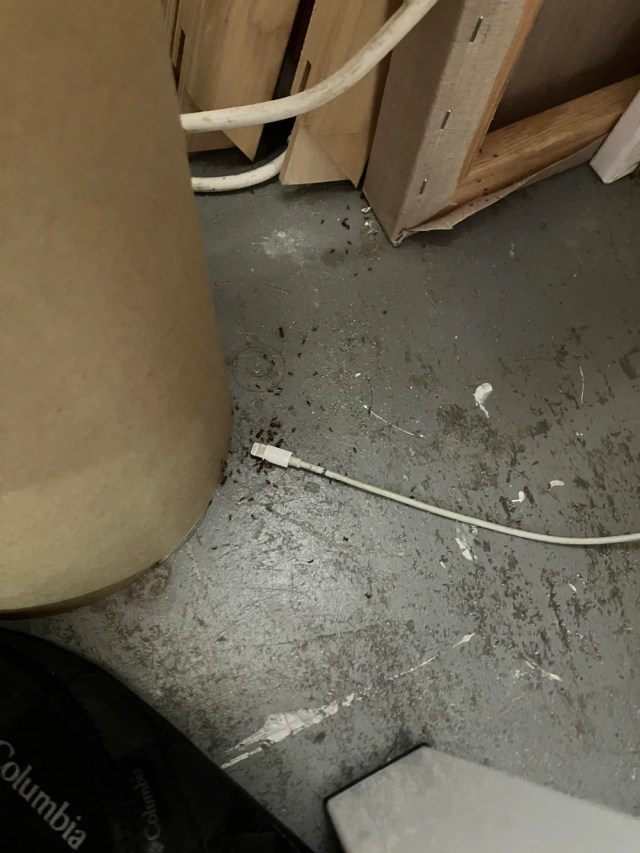
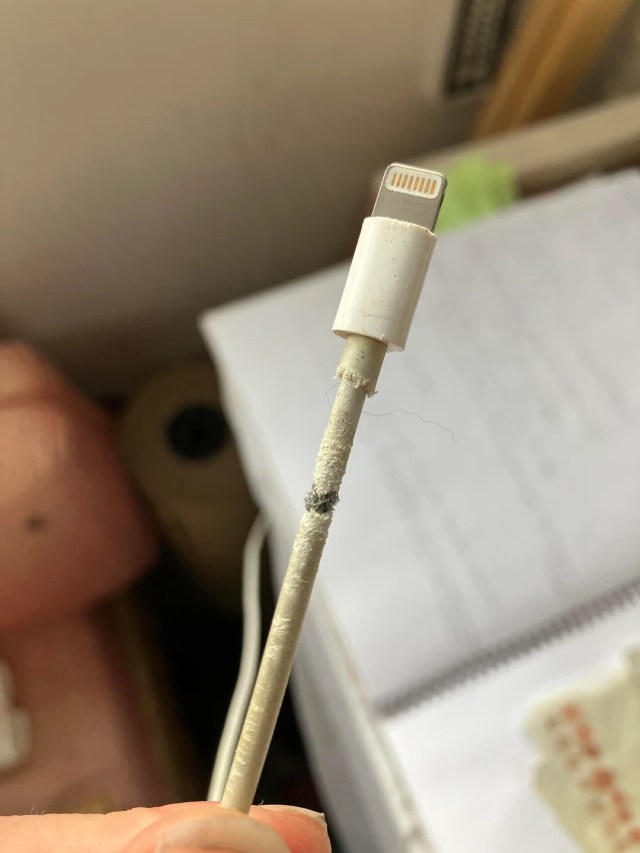
Redditors added their takes, providing theories as to why the ants would be attracted to the OP's phone charger.
"Certain ant species are for some reason attracted to electromagnetic fields, and it's a pretty common site to see ants pile up on chargers," one commenter said. "These seem to be pheidole sp, which is designed to cut through seeds with their giant jaws."
Others hypothesized that the ants could be attracted to the cable for other reasons.
TCD Picks » Quince Spotlight
💡These best-sellers from Quince deliver affordable, sustainable luxury for all




"Well, if that species prefers seeds, it may be the seed oil used to make certain wires and cables," one wrote.
Another commenter shared a similar experience.
"My ex found a nest on his laptop charging block before," they said. "Blew my mind."
More background
The situation highlighted the interesting and strange ways that humans interact with the natural world.
The damage to the charger also showed the risk that such interactions can pose to humans and wildlife.
By chewing through the protective cover around the electrical wires, the ants created a dangerous situation. Exposed wires can be a shock or fire risk.
What can be done?
To protect against damage done by insects and other wildlife, it is important to conduct regular inspections of one's home, workspace, and other frequently used areas.
From exposing electrical wires to spreading disease, wildlife can pose a wide range of safety and health risks. However, the signs of these dangers can easily go undetected until it is too late.
Where can I learn more?
The following articles explore invasive ant outbreaks, the spread of non-native species, and research on using ants to detect pests.
• In Australia, invasive fire ants hospitalized 23 people and threatened pets and wildlife.
• In the Southern U.S., nearly unkillable supercolonies of tawny crazy ants spread across neighborhoods.
• In southern France, a damaging electric ant outbreak sparked concern as it grew.
• Across the globe, non-native ant species are rising with human activity and unsettling biodiversity.
• Scientists found common ants surprisingly effective at detecting pests before farmers could spot infestations.

Get TCD's free newsletters for easy tips, smart advice, and a chance to earn $5,000 toward home upgrades. To see more stories like this one, change your Google preferences here.