


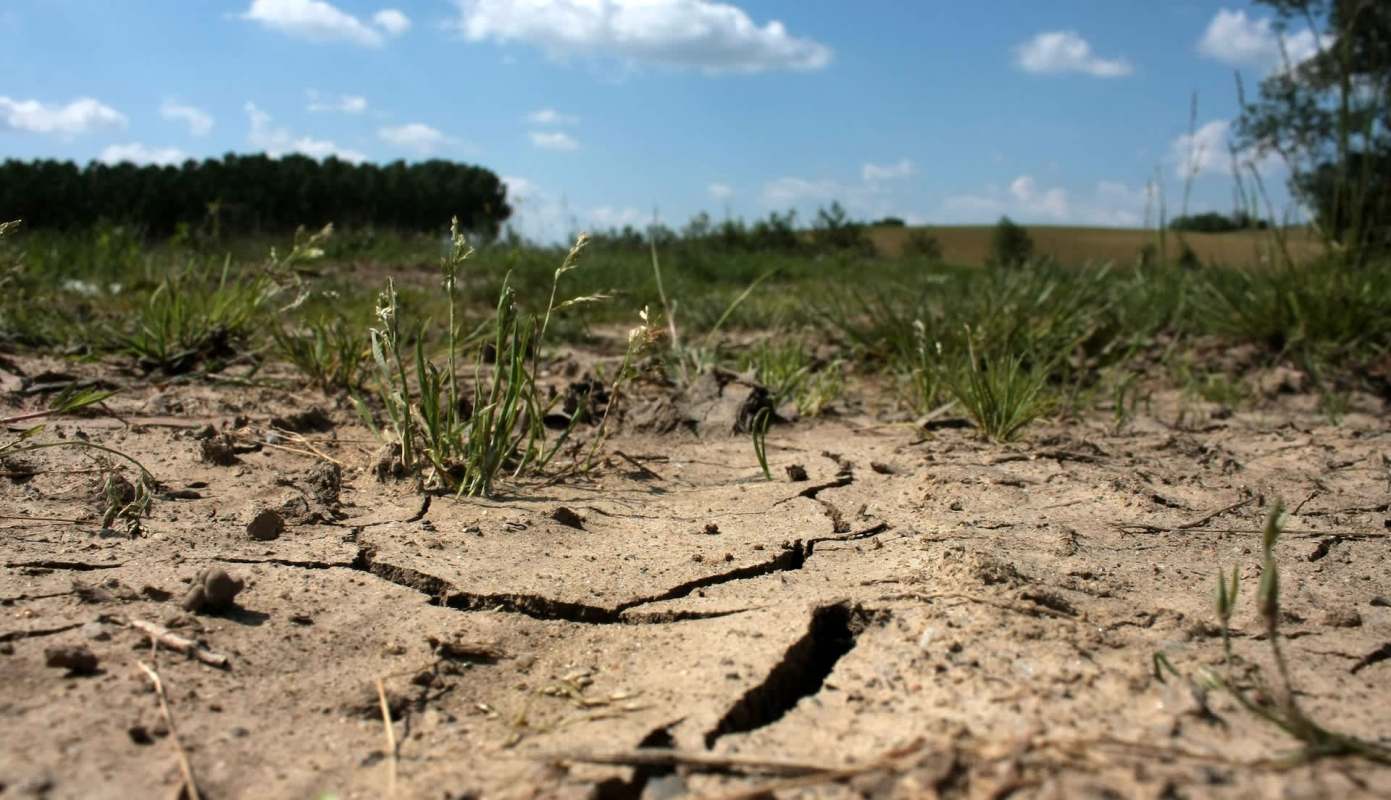
A drying patch of soil may seem far removed from a hospital ward. But scientists at Caltech found that when soil dries out, microbes can evolve to become more resistant to antibiotics, raising concerns that worsening drought could shape future health risks.
Here's what to know
Live Science reported that the research comes from a study published in March that included Xiaoyu Shan, a Caltech postdoctoral research associate in biology and biological engineering, and co-author Caltech microbiologist Dianne Newman.
Antibiotic resistance is already a serious public health threat, and human misuse of antibiotics remains its main cause. The Caltech study suggests environmental stress may be another factor pushing microbes in that direction.
One possible reason, Live Science reported, is that drought can concentrate natural antibiotics in soil, allowing tougher microbes to survive while more vulnerable ones are wiped out.
Because bacteria readily exchange genes, resistance traits carried by soil microbes could eventually be transferred to bacteria that infect humans.
Looking ahead to drier conditions in some regions, Newman warned, "We can expect to have more resistant bacteria being selected for in certain places around the globe."
TCD Picks » Quince Spotlight
💡These best-sellers from Quince deliver affordable, sustainable luxury for all




More background
The study fits into a wider pattern of research showing that hotter temperatures, shifting rainfall, and more frequent drought can affect both how diseases spread and how hard they are to treat.
Live Science also highlighted another study linking climate conditions such as temperature and rainfall to antibiotic resistance in Salmonella, which is associated with about 1.35 million U.S. food poisoning cases each year.
Zhen-Chao Zhou, an ecology researcher at the Chinese Academy of Sciences in Beijing and the study's first author, told Live Science, "Globally, climate change was linked to about a 10% increase in Salmonella resistance gene abundance."
That means environmental change may shape not only who becomes ill, but also whether common medicines still work.
People are in frequent contact with the environment through water systems, farming, gardening, and dust, all of which can help microbes move from place to place.
Describing contact between human and soil bacteria, Newman said, "Gardening, breathing dust — that's how it happens… We are constantly encountering bacteria in our environment."
What can be done?
Zhou said cutting carbon pollution is essential.
He also called for better sewage management and other sanitation practices, along with stronger food safety measures and disease surveillance to reduce the spread of dangerous strains.
Zhou also said antibiotics need to be used more carefully.
According to Marina Romanello, a principal research fellow at the Institute of Global Health at University College London, "No individual metric really does justice to the overall risk and health and well-being of these multiple stressors being exacerbated all at once and compounding each other."
Where can I learn more?
Environmental pressures are changing where risky microbes show up and how well treatments work against them. Polluted air, microplastics, worsening drought, and warming waters can all make infections easier to spread and tougher to treat.
• Around the world, dirty air may also fuel antibiotic resistance in dangerous bacteria.
• In waterways, microplastics can help hardier germs survive drugs and threaten human health.
• In New England, flash droughts are straining water supplies and arriving faster than communities expect.
• Across vulnerable neighborhoods, heat and drought hit hardest where resources are already limited.
• Along the U.S. Northeast, warming waters are expanding deadly Vibrio bacteria into unfamiliar places.
Environmental change can raise microbial risks in several ways at once. This bigger picture helps show why drying soil matters beyond the land itself, with potential consequences for public health.

Get TCD's free newsletters for easy tips, smart advice, and a chance to earn $5,000 toward home upgrades. To see more stories like this one, change your Google preferences here.






