


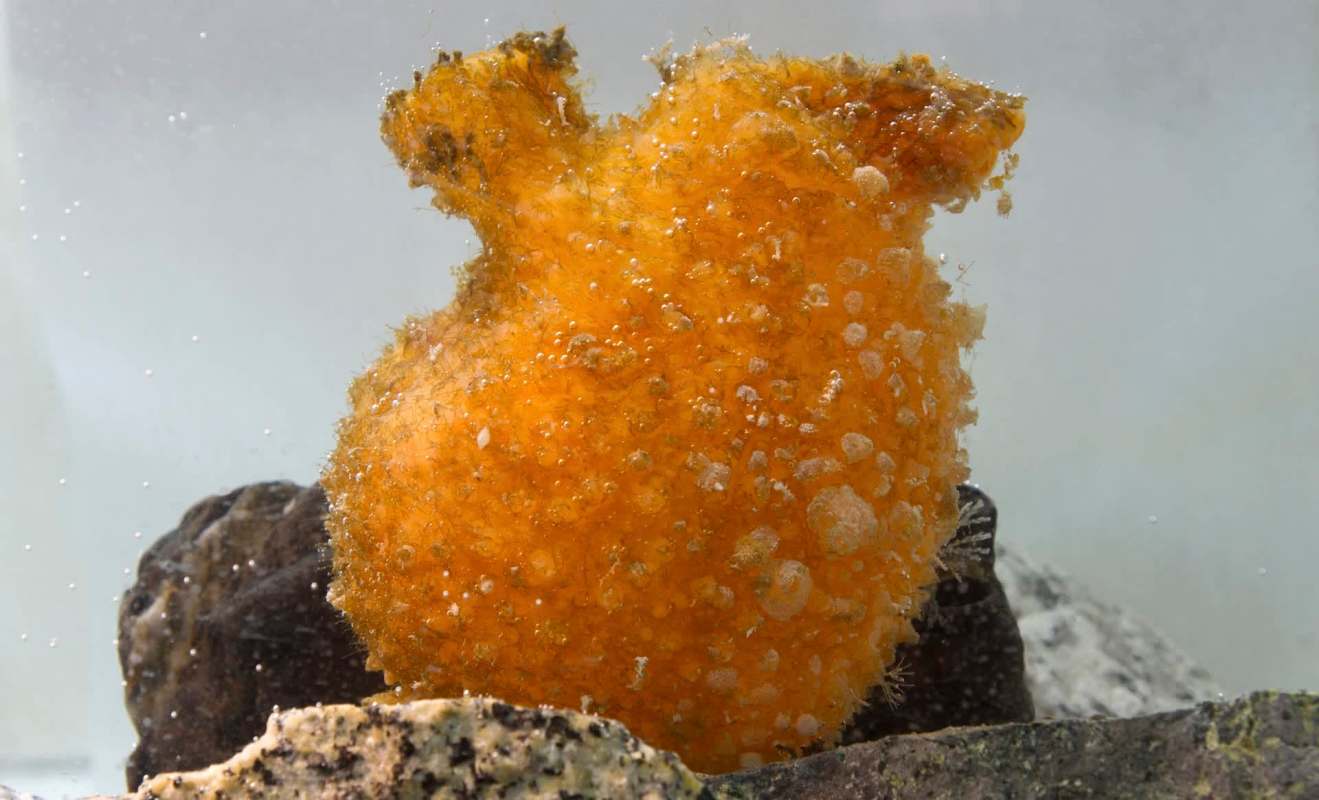
Tiny sea squirts in Antarctica might help researchers more effectively fight cancer.
Scientists are now investigating whether a cancer-fighting compound tied to bacteria that live within Antarctic sea squirts, a surprising lead for a possible future melanoma therapy. And early experiments have produced unusually strong results.
What happened?
A deep-ocean discovery first made about two decades ago is drawing renewed attention after lab tests suggested that a compound known as palmerolide A could become a future treatment for melanoma.
Animal experiments suggest that palmerolide A, which comes from bacteria linked to the Antarctic sea squirt, may be especially potent against melanoma, per A-Z Animals. The sea squirts use these toxins to protect themselves when predators attack.
One reason scientists are interested is that mouse studies found that the compound destroyed melanoma cells while the mice survived the treatment. That kind of selectivity is a promising sign.
According to A-Z Animals, Dr. Bill Baker, a University of Florida chemistry professor who first recognized the species' cancer-fighting potential, recently led the team back to Antarctica for another expedition.
TCD Picks » Quince Spotlight
💡These best-sellers from Quince deliver affordable, sustainable luxury for all




Researchers made the trip to bring back additional specimens and keep investigating the compound they contain. Getting those samples, however, was far from routine. Divers faced extreme cold, leopard seals, ice, and tight limits of roughly 30 minutes per dive at depths of up to 130 feet, per A-Z Animals.
The team also used remotely operated vehicles to explore deeper areas and map sea squirt populations more efficiently.
But because the animals grow slowly, live in frigid waters, and do not produce nearly enough material for widespread medical use, the discovery will not create an immediate cure.
Why does it matter?
Melanoma is one of the deadliest forms of skin cancer, so any compound that can target those cells while sparing healthy tissue is likely to draw serious interest.
While early results in mice do not mean a human treatment is close, they do suggest researchers may be looking at a promising new path. Other approved drugs have also come from marine life, including trabectedin, a cancer drug originally sourced from another sea squirt species.
A positive result in mice is an early step, not a finished therapy, and patients should expect years of testing before scientists know whether a drug is safe and effective for people.

Get TCD's free newsletters for easy tips, smart advice, and a chance to earn $5,000 toward home upgrades. To see more stories like this one, change your Google preferences here.






