


Pollution from power plants, mining, and other heavy industry does not stay close to where it was created.
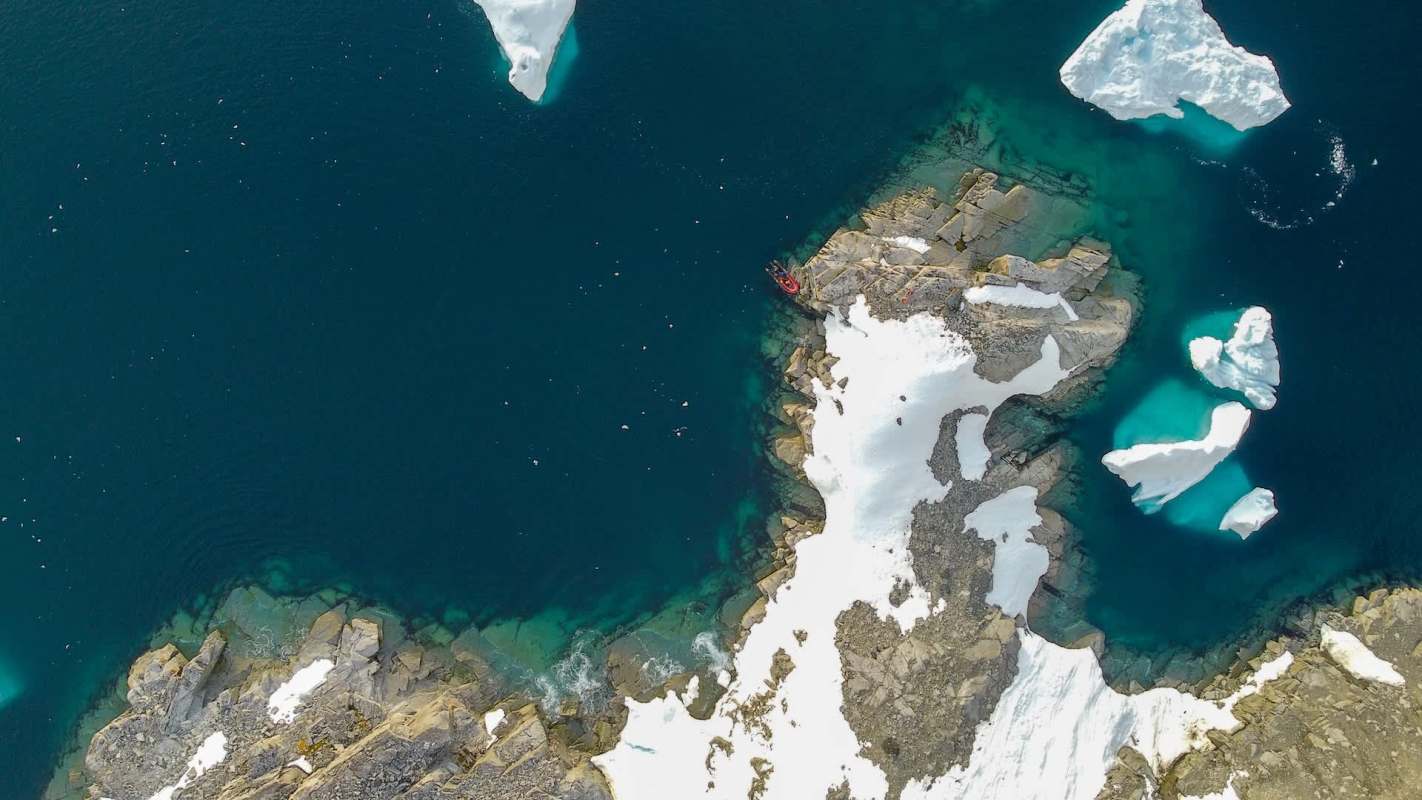
New findings suggest Antarctica, once mainly a place where mercury accumulated, is increasingly returning that toxic metal to nearby ocean waters.
As Eos reported, researchers say heat-driven ice loss and human mercury pollution are together helping to shift the frozen continent into an active source of mercury.
Here's what to know
In the new study, which was published in PNAS, scientists analyzed 16 sediment cores taken from seafloor waters near the Antarctic Peninsula.
Compared with preindustrial conditions, nearly all of those cores recorded much higher mercury levels after industrialization, with an average increase of 160%.
Researchers said the rise became especially pronounced in the 1950s.
TCD Picks » Quince Spotlight
💡These best-sellers from Quince deliver affordable, sustainable luxury for all




Maodian Liu, an environmental scientist at Peking University in China and a co-author of the study, said the results show two environmental problems interacting in ways that intensify both.
"Climate change acts as an amplifier of mercury cycling," Liu wrote in an email to Eos. "Global mercury pollution and climate change are not independent environmental problems."
The authors also estimated, through modeling, that mercury carried by glaciers into nearby waters has increased 550% since industrialization.
Their analysis found that about 56% of the mercury in the seafloor cores came from atmospheric deposition. Glacier melt, weathering, and erosion supplied the remainder.
More background
In the environment, mercury can turn into methylmercury, which is a more hazardous form that readily builds up in living organisms.
From there, it can spread through Antarctica's food web, moving from plankton to krill, fish, seabirds, and marine mammals.
At high enough levels, methylmercury can damage the nervous system and affect behavior and growth in animals. And because some Antarctic krill and fish are harvested commercially, contamination in this remote ecosystem can still reach human food systems.
Charles Driscoll, an environmental engineer at Syracuse University who was not involved in the study, told Eos that similar changes are showing up in other cold regions, including the Arctic, where thawing permafrost is releasing mercury that had long been trapped.
What's being done?
One important step is improving measurement and monitoring.
To tell apart mercury delivered from the atmosphere and mercury set free again by melting ice, Liu and colleagues combined sediment records with chemical analyses.
Researchers still need to answer how much of that mercury becomes methylmercury in Antarctica's cold waters and whether what is happening near the Antarctic Peninsula reflects conditions across the wider continent.
The study indicates that pollution from past emissions can continue to circulate long after the original release.
Liu warned that even if mercury emissions fall, the metal already locked in ice is likely to remain a problem for a long time.
"Climate change is not only increasing the amount of glacial meltwater but is also releasing legacy mercury that was previously stored on the Antarctic Peninsula," Liu wrote to Eos.

Get TCD's free newsletters for easy tips, smart advice, and a chance to earn $5,000 toward home upgrades. To see more stories like this one, change your Google preferences here.






