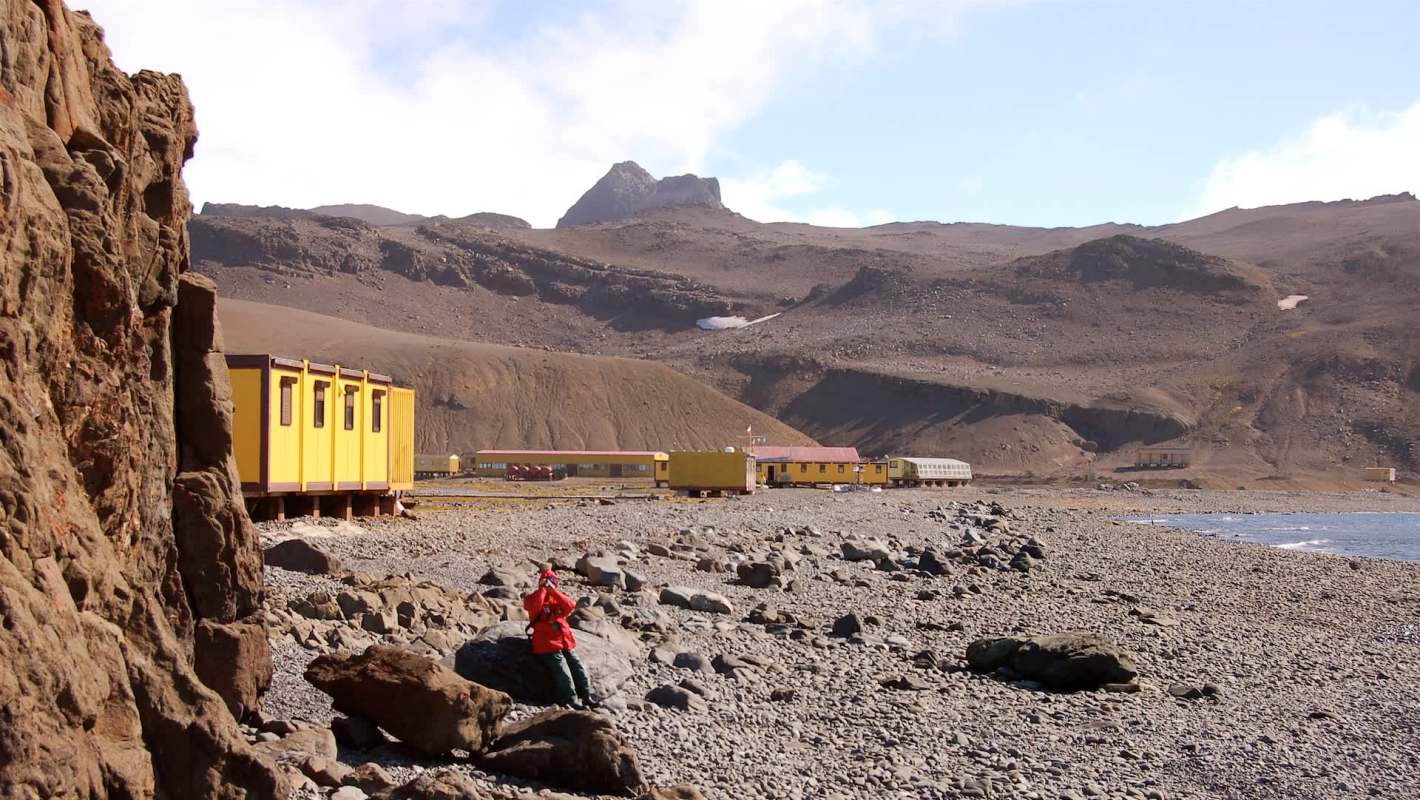
In the middle of the southern winter, parts of Antarctica saw temperatures roughly 36 degrees Fahrenheit above normal, and researchers even reported spotting rain falling on glaciers.
For nearly three weeks, the Antarctic Peninsula recorded daily high temperatures above 32 degrees Fahrenheit during the coldest, darkest stretch of the season, per Business Today.
What happened?
At the Esperanza research station in Antarctica, one especially notable measurement came on June 6, when temperatures rose to nearly 60 degrees Fahrenheit. That was about 3.6 degrees Fahrenheit higher than the station's previous winter record and roughly 36 degrees Fahrenheit above the normal temperature for that date.
Meanwhile, one of the South Shetland Islands, King George Island, located roughly 75 miles off the coast of Antarctica, saw widespread thawing of ice that was unusual for that time of year.
Researchers said strong northerly winds were the main driver of a long-lasting heatwave that pushed unusually warm air far into the Antarctic Peninsula. Yet heatwaves like this one are more likely to be longer-lasting and intense as our planet overheats.
Why does it matter?
The Antarctic Peninsula is already considered one of Earth's fastest-warming regions, and reduced sea ice leaves more dark ocean exposed, allowing it to absorb additional heat and reinforce warming.
TCD Picks » Quince Spotlight
💡These best-sellers from Quince deliver affordable, sustainable luxury for all




Shrinking sea ice can disrupt wildlife populations and the wider food web, with animals such as penguins, seals, and whales potentially impacted.
Continued warming could also destabilize the floating ice shelves that help hold back vulnerable Antarctic glaciers such as Thwaites and Pine Island.
But when remote places like Antarctica experience extreme conditions, the impacts are also felt around the world.
For example, when ice loss contributes to sea-level rise, coastal communities can ultimately face higher insurance costs, greater storm damage, public health concerns, and expensive recovery efforts that affect both families and businesses.
Plus, worsening extreme weather disasters put lives and livelihoods at risk by increasing flood threats, damaging homes and infrastructure, and adding pressure to food systems, fisheries, and local economies.

Get TCD's free newsletters for easy tips, smart advice, and a chance to earn $5,000 toward home upgrades. To see more stories like this one, change your Google preferences here.