


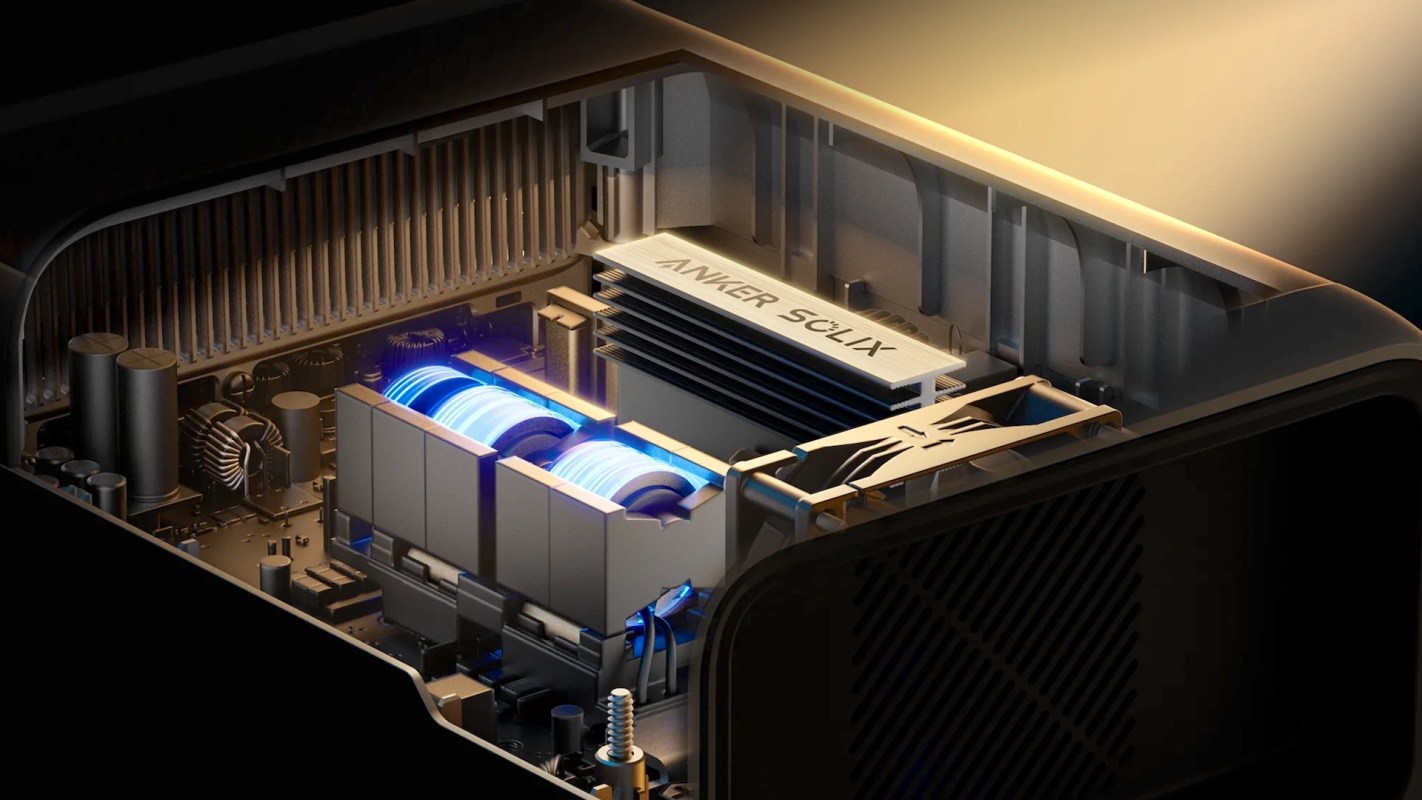
A small spec question can make or break a portable power purchase, especially when the goal is charging it from a car without overloading a low-output outlet.
That was the concern one prospective Anker Solix S2000 buyer raised after discovering their vehicle's AC outlet tops out at 100 watts while driving, a limit that could matter for road trips, emergency backup, and everyday convenience.
Here's what to know
In a Reddit post on r/AnkerSOLIXCommunity, the original poster asked whether the Solix S2000 could be throttled down enough to work safely with that setup.
"My vehicle has an AC outlet but can only do 100W when driving," they wrote, "can I cap the S2000 charging wattage to only 100W? Can I set the charging wattage to 400W?"
Replies indicated that the S2000 can be limited to a 100-watt AC charge rate, but users said that does not necessarily cap total draw if the unit is powering other devices at the same time.
One commenter replied, "As everyone has stated, yes, you can limit AC charging to 100w. However, if you are running AC loads simultaneously it will pass through power to loads and draw an additional 100w to charge the battery. If no loads are being powered it will only draw 100w for charging."
TCD Picks » Quince Spotlight
💡These best-sellers from Quince deliver affordable, sustainable luxury for all




Another response focused on the available charging settings. That commenter said, "With the app and WiFi, you can change the AC charging limit between 100 watts and 1200 watts in 100 watt increments." They also noted that "Separately you can also enable ultra fast charging as needed for 1600 watts."
More background
For many shoppers, the appeal of a battery station isn't just how much energy it stores, but how easily it fits into daily life. A unit that can slowly charge from a car outlet during a drive may prove more useful in practice than one that depends on a faster wall plug a user may not always have available.
The Reddit discussion also highlighted a common real-world issue: A charging source's limit does not always tell the whole story. If the power station is actively running appliances at the same time, users may end up drawing more power than expected. That can mean the difference between a smooth charge and a tripped vehicle outlet.
Portable batteries can help households save money and improve resilience by reducing the need for gas generators for smaller power demands. They can also keep phones, lights, routers, and medical or work devices running during outages, which can be especially helpful when storms or grid disruptions hit.
For commuters or travelers, even a slower 100-watt charge can still add meaningful energy over time, making the device more useful later when power is needed most.
What can be done?
In similar situations, matching the charge setting to the outlet limit seems like a workable option, based on commenters' experiences.
Others in the thread suggested bypassing the car's AC outlet entirely. One wrote, "Another option that does not require messing with the app, connect to the DC cigarette lighter outlet in your car via a cheap XT60 cable. It will limit current to about 8A or about 100 watts. With a properly wired XT60i cable, you can reach 12.5A."
The discussion also mentioned several other charging options for people who want either a simple car setup or more output later on. A second commenter said, "a $30 DC adapter will charge at 100 watts and is more efficient for car charging." They also pointed to higher-output alternatives, including "You can also install a car alternator charger for around 600 watt charging." and "Solar panels are another option up to 400 watt max charging rate."
Where can I learn more?
Related reading includes articles on Anker home batteries, solar EV charging hardware, and mobile EV chargers.
• Anker unveiled a modular whole-home battery system aimed at boosting home electrification.
• Enteligent introduced a solar-powered EV charger that can deliver 25 kilowatts of DC power.
• GenCell's Evox debuted as a mobile EV charging unit serving fleets fast.

Get TCD's free newsletters for easy tips, smart advice, and a chance to earn $5,000 toward home upgrades. To see more stories like this one, change your Google preferences here.






