


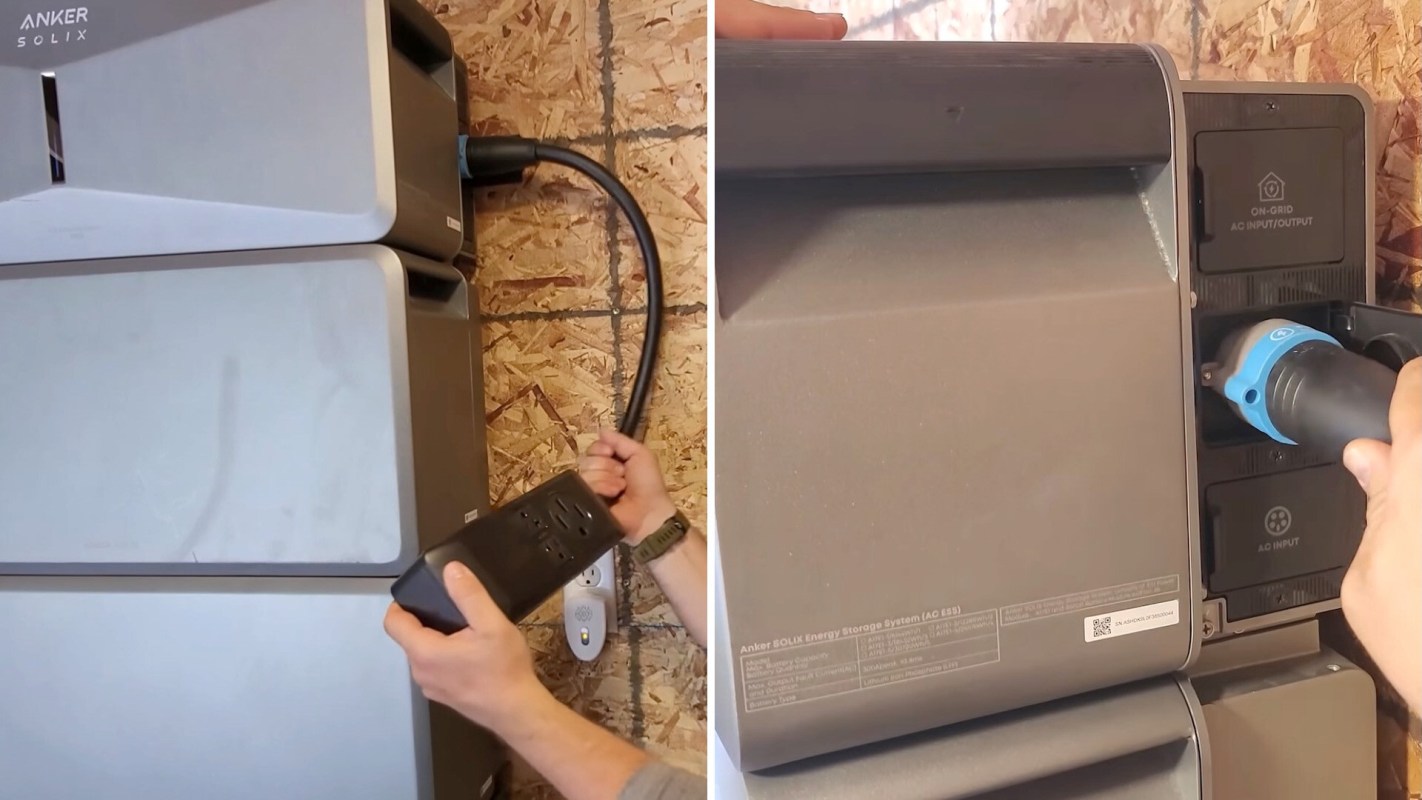
The Anker SOLIX E10 is being pitched as more than emergency backup for blackouts.
Here's what to know
Minute Man Solar (@minutemansolar) framed the Anker SOLIX E10 as a whole-home option that can cover multiple roles. In the video's description, the system is positioned for off-grid setups, backup power, utility bill savings, and EV charging.
The system pairs battery storage and solar capability with a tri-fuel smart DC generator. It is described as expandable to 90 kilowatt-hours, capable of 10-kilowatt Turbo output, rated for a 155 LRA surge, and able to take in up to 9 kilowatts of solar. The channel also said the unit carries UL 9540 and 9540A certifications and is rated NEMA 4 for outdoor installation.
Many homeowners are no longer looking for a battery that only switches on during a blackout. Some also want to shift electricity use away from expensive utility hours, especially in homes with time-of-use pricing, solar panels, or EV charging.
More background
Home backup needs, rising electricity costs, and electrification are increasingly intersecting. More households are adding heat pumps, induction stoves, and EVs, which can raise power demand even as they reduce pollution and fuel expenses. That makes reliable home energy storage increasingly attractive.
High starting loads from appliances such as air conditioners, pumps, and other motor-driven equipment can strain backup systems. A product built to handle those bursts is more likely to support whole-home operation, not just a handful of lights and outlets.
TCD Picks » Quince Spotlight
💡These best-sellers from Quince deliver affordable, sustainable luxury for all




Certification and outdoor ratings can affect permitting and installation. Outdoor-ready hardware can help homeowners without extra indoor space for a large battery setup. For off-grid cabins, storm-prone areas, or households trying to manage fewer separate pieces of equipment, an all-in-one system could save both time and hassle.
What can be done?
Battery buyers may prioritize different needs. Some may need blackout protection for medical devices, refrigeration, or well pumps. Others may be more focused on lowering utility bills by charging a battery when electricity is cheaper and using that stored power during expensive peak hours.
If a home already has rooftop solar, storage can help capture more of that energy for later use. If it does not, time-of-use shifting may still offer savings, depending on the local utility rate plan.
Whole-home setups vary by battery size, surge performance, installation requirements, and whether the system can expand over time. A licensed installer can match the equipment to the home's panel, backup goals, and any future plans for EV charging or solar.
As Minute Man Solar put it, "One power station can do it all. It can help me live off-grid like it does at my off-grid cabin, it can lower my home electricity bill even without solar panels with Time-of-Use power, it can offset my bill, it can run my whole house or just a backup, it can charge up my EV, it can truly do anything you want it to."
Where can I learn more?
The Anker SOLIX E10 is arriving as home batteries take on a wider role. The market is moving the same way, with companies adding more capacity, safety features, and grid support to systems built for whole-home use.
• Anker has already unveiled a modular whole-home battery system aimed at broader home electrification.
• Jackery introduced a home battery system with automatic fire suppression and 100 safeguards.
• GenCell has rolled out an innovative new mobile unit for fast EV charging during outages.
Home energy systems are changing fast, with newer setups built to cover outages, utility savings, solar storage, and EV charging in one package. For anyone comparing battery options, that added flexibility could shape what makes sense for the home.

Get TCD's free newsletters for easy tips, smart advice, and a chance to earn $5,000 toward home upgrades. To see more stories like this one, change your Google preferences here.






