



A firmware update for Anker's E10 home batteries has opened up a bigger discussion about how owners should set state-of-charge limits on lithium iron phosphate (LiFePO4) systems to balance backup readiness, energy savings, and long-term battery health.
Here's what to know
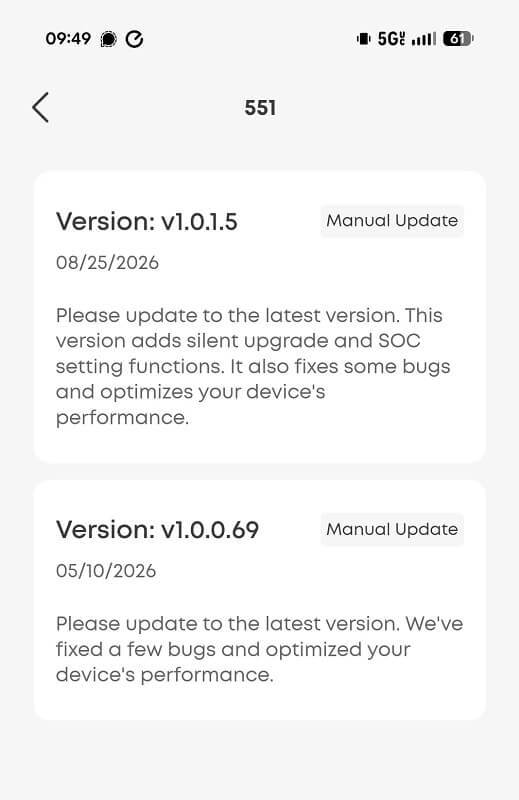
Users in a Reddit thread said the firmware update finally added SOC controls to the Anker E10.
The original poster wrote: "Received a new firmware update for the Anker E10 batteries, which added a much needed SOC setting."
The update allows owners to decide how far the battery can charge and discharge during normal use.
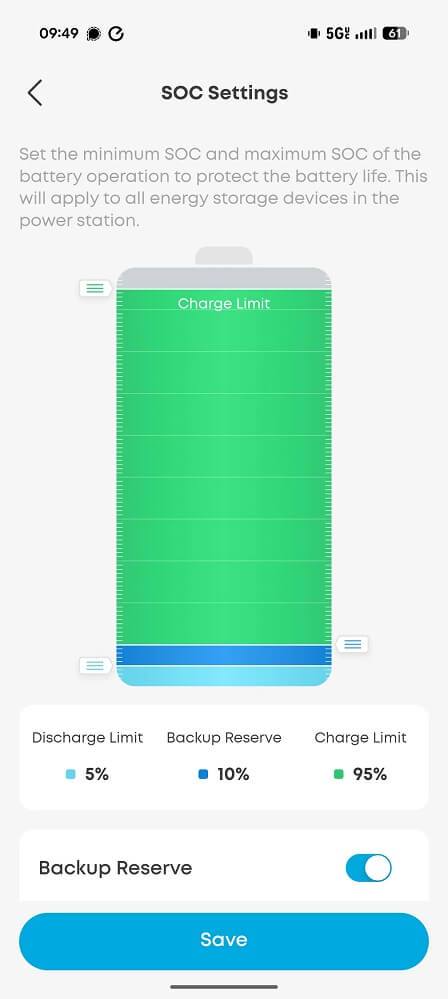
The thread's most direct recommendation came from one commenter, who wrote: "If you want max battery life, set max discharge to 20% and max charge level to 80%."
That same commenter said people using the battery more actively for solar storage or time-of-use savings could extend those limits by around 10% to 15%.
Home battery storage can be a major advantage for households looking to prepare for outages, cut energy costs, and reduce reliance on the grid. By storing rooftop solar power or cheaper off-peak electricity for later use, homeowners can avoid buying as much power during the most expensive utility hours while still keeping essential appliances running during a blackout.
For readers exploring their own setup, EnergySage can provide information on home battery storage options, including competitive installation estimates. EnergySage has teamed up with the electrification brand Qmerit to guarantee you get the best price on home battery storage solutions.
Crushed by your bills? See instant solar savings from vetted installers in just a few clicks With energy prices through the roof, there's never been a better time to go solar — and EasyHome can help you find the best prices from the best installers in your area. EasyHome takes the guesswork and headaches out of energy upgrades by showing you estimated savings from a network of vetted local partners. To get started, just enter your ZIP and share a few details about your home — seeing your estimate is really that easy. |

Another option is Pila, which offers excellent battery backup options. Its plug-and-play batteries are priced at a fraction of the cost of a whole-home backup system.
More background
LiFePO4 batteries are widely known for their durability, but charge settings can still affect how they age over time. Regularly charging to 100% and draining to empty may provide more usable energy in the short term, while operating within a narrower range can help preserve the battery over more cycles.
That balance matters even more for households that cycle their storage daily. In the discussion, some users talked about using stored energy overnight, pairing the battery with solar panels, or relying on time-of-use settings to avoid drawing grid power when rates are highest. Wider charging and discharge limits can support those goals and improve day-to-day savings, though they may also speed up wear.
The thread also highlighted how much the user experience depends on software, not just battery hardware.
One commenter thanked Anker for adding the setting after customer feedback but also wrote, "It still disconnects!!!" while describing Android app connection issues.
Problems like that can make it harder for owners to monitor and manage their systems.
What can be done?
The best SOC range depends on what the owner wants most from the battery. Someone focused on preserving battery life while staying connected to the grid may prefer a conservative range such as 20% to 80%, while someone aiming to maximize solar production or avoid expensive peak utility rates may choose to use more of the battery each day.
It can also help to define the battery's main role: emergency backup, bill savings, or something closer to off-grid living.
A household that prioritizes outage protection may want to keep more energy in reserve, while one trying to cut evening electricity costs may allow deeper discharge to cover nighttime demand.
The new feature gives owners more control, and that means more responsibility to choose settings that fit how they use the system.
"The idea is to have most the battery available to use overnight to power the home loads and recharging using the sun during the day," the original poster said.
Where can I learn more?
These articles put the Anker update into a broader context. They touch on the bigger issues behind SOC settings, from backup hardware and rooftop solar economics to the utility rules that determine when stored power pays off most.
• Anker has already unveiled a modular whole-home battery system aimed at broader home electrification.
• Across the U.S., net metering still works like a solar bank for many homeowners.
• In Puerto Rico, LUMA Energy proposed a frustrating charge for thousands of solar customers.
Looking at the firmware change alongside those stories, the bigger point is that battery settings are only part of the equation. The equipment you choose and the local power rules can shape how aggressively it makes sense to cycle an E10.

Get TCD's free newsletters for easy tips, smart advice, and a chance to earn $5,000 toward home upgrades. To see more stories like this one, change your Google preferences here.






