


A hydroelectric dam in Angola is slated to submerge the 15th-century settlement of Caculo Cabaça, but before the reservoir rises, archaeologists documented discoveries that could reshape what is known about the country's past.
Among the finds were Angola's oldest dated burials and the only identified cremation, recovered from a site expected to disappear underwater, as Phys.org reported.
What happened?
A study in the Journal of Field Archaeology described how work at Caculo Cabaça revealed the earliest known stone buildings in central Angola along with graves and a cremation without precedent in the country's archaeology.
Before excavation began, the area had to be inspected for landmines from Angola's civil war.
The dig itself was launched after construction workers spotted the stone ruins in 2023, prompting an urgent archaeological response before the dam reservoir could overtake the site.
Local customs also shaped the start of the project. Sobas, or community elders, performed a ceremony that included a goat sacrifice to seek protection from ancestors, as Phys.org detailed.
TCD Picks » Quince Spotlight
💡These best-sellers from Quince deliver affordable, sustainable luxury for all




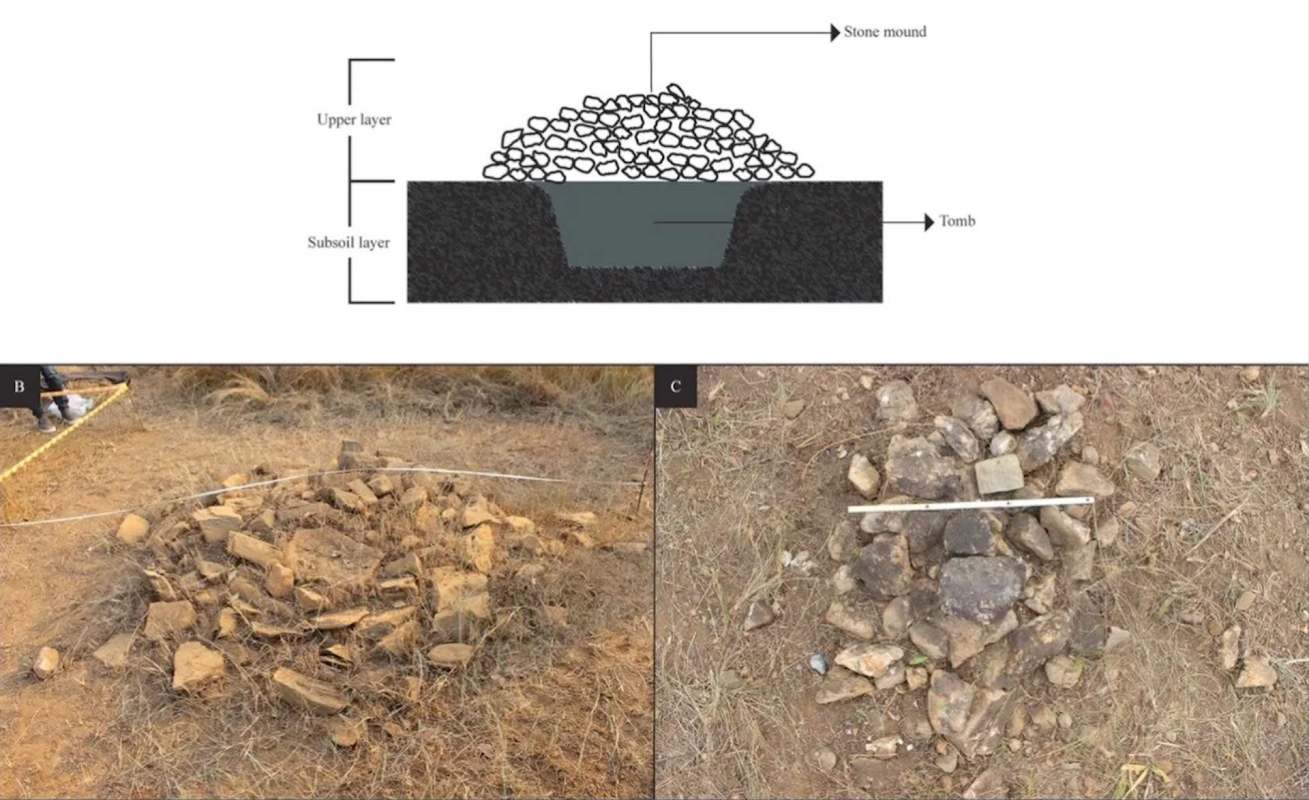
Across the settlement, archaeologists logged 117 clusters of stone features and excavated 65 separate structures, including stone tumuli built over graves.
Radiocarbon dating placed the burials in the early 1400s, decades before the Portuguese arrived, the outlet said.
The most unusual object was a broken, burned urn containing cremated pieces of skull and teeth, with no known parallel in Angolan archaeology.
Why does it matter?
Caculo Cabaça pushes the timeline for stone-built settlements in Angola further back.
Until now, no such structures in the country had been dated to earlier than the 16th century, making this site rare evidence of societies that existed before colonial rule reshaped the region.
The graves also offered insight into burial customs.
Some individuals were laid on their sides, while others were placed upright with knees drawn to their chests, a posture linked in Angolan tradition to chiefs and elites.
The looming flooding threatens an irreplaceable connection between present-day communities and their ancestors, especially in a country where war, displacement, and development have already erased so much physical history.
Projects that promise energy or economic benefits can still come with steep trade-offs if cultural heritage is treated as an afterthought.
When sacred places, graves, and historical records disappear, progress becomes less inclusive — and communities lose part of the stories that define who they are.
What's being done about it?
With submersion imminent, archaeologists focused first on recording and excavating the parts of the settlement most likely to be lost.
That emergency strategy preserved at least part of the site's history in the scientific record, even if the landscape itself cannot be saved.
Local participation was central to that effort.
Construction workers were the first to flag the ruins, and the sobas' ceremony underscored that the location was more than an excavation site — it was also tied to memory, belief, and ancestry.
Research may continue even after flooding begins, because archaeologists identified additional stone structures outside the area expected to go underwater.
Large infrastructure projects need cultural surveys as early as possible, not only after bulldozers or rising water turn rescue archaeology into a race against time.
As doctoral candidate Sofia Mateus Simplicio D'Oliveira of the Muséum National d'Histoire Naturelle in Paris said, "We gave priority to the places that we knew would soon disappear."

Get TCD's free newsletters for easy tips, smart advice, and a chance to earn $5,000 toward home upgrades. To see more stories like this one, change your Google preferences here.






