


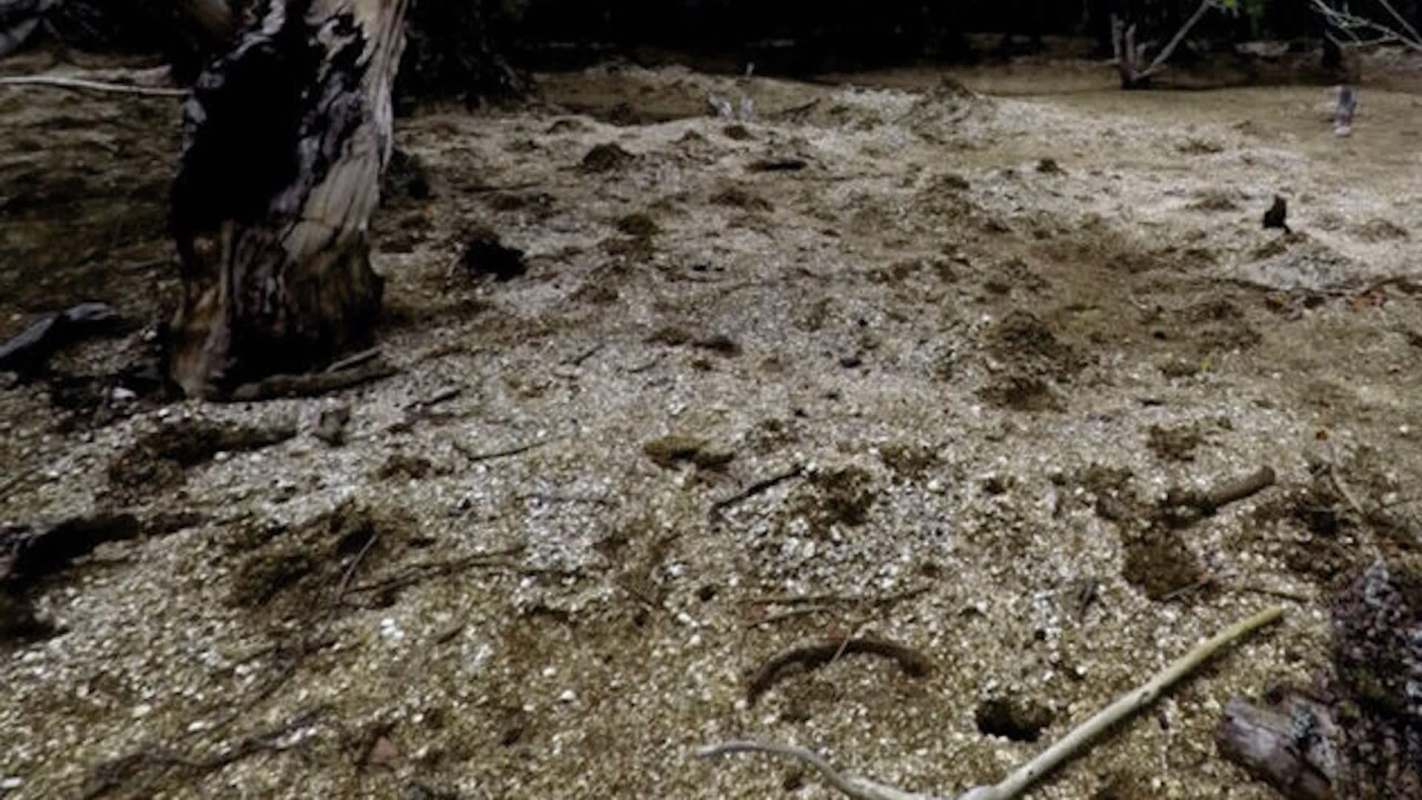
An island tucked into Fiji's mangroves may be less a natural feature than the accumulated result of human activity. Researchers believe centuries of discarded shellfish remains had gradually built up the site, turning everyday coastal waste into land.
If that is correct, the site would show how earlier communities could slowly reshape their surroundings through routine practices.
What happened?
The research, published in the journal Geoarchaeology, centers on a shell island near Culasawani on Fiji's Vanua Levu, which covers about three-quarters of an acre. It sits among mangroves and rises only a little above the tide, yet investigators say much of it appears to consist of densely packed deposits left behind by ancient seafood processing.
According to Arkeonews, tests suggest that shell-rich material accounts for roughly 70% to 90% of the island in some areas. Radiocarbon dating indicates the main buildup occurred around 760 CE, with samples dating from about 420 to 1040 CE. If that reading is right, the site could be the first described "midden island" in the tropical Pacific east of the Bismarck Archipelago in Papua New Guinea.
Mud crabs first drew attention to the site by bringing buried shells and pottery fragments up to the surface. In 2024, researchers mapped the area, collected 20 hand-auger cores, and dug several test pits, revealing a shell-dense layer about 8 to 16 inches thick above a harder coastal platform.
Why does it matter?
The deposit may help explain how ancient coastal communities in Fiji used and altered nearby environments. Instead of looking like material dumped there by a storm or wave event, the layer is dominated by edible shellfish, especially Anadara, and also contains pottery fragments associated with later pre-modern Fijian earthenware traditions.
TCD Picks » Quince Spotlight
💡These best-sellers from Quince deliver affordable, sustainable luxury for all




Together, those signs point to a place used mainly for shellfish processing rather than a permanent village. Researchers found no clear evidence of animal bones, fish remains, or stone tools, suggesting that people may have gathered shellfish in shallow waters, removed the meat on site, and carried the food elsewhere in pots, leaving the shells behind.
Archaeology on Vanua Levu, Fiji's second-largest island, has received less attention than work in many other parts of the archipelago. The site could help researchers better understand ancient diets, settlement patterns, and the ways people adapted to changing coastlines, tides, and mangrove environments.
What's being done?
For now, researchers think the midden-island explanation fits the evidence better than the idea that a tsunami or another large wave piled the shells into one spot. In their view, the deposit is too localized, too selective, and too heavily composed of edible species to look like a random marine wash-up.
More research is needed. The shell layer is relatively thin and lacks strong internal stratification, so scientists want additional evidence before fully ruling out other explanations. They have also raised the possibility that people once used platforms or stilt-like structures nearby, though no structural remains have yet been confirmed.
Future work will examine nearby traces of mainland settlement, offshore shell deposits, and local oral histories that may contain clues about past coastal events.
What now looks like an unremarkable mangrove island may instead preserve the accumulated work of many generations. More than 1,200 years later, repeated meals and discarded shells may still be visible there as a piece of enduring land.

Get TCD's free newsletters for easy tips, smart advice, and a chance to earn $5,000 toward home upgrades. To see more stories like this one, change your Google preferences here.






