


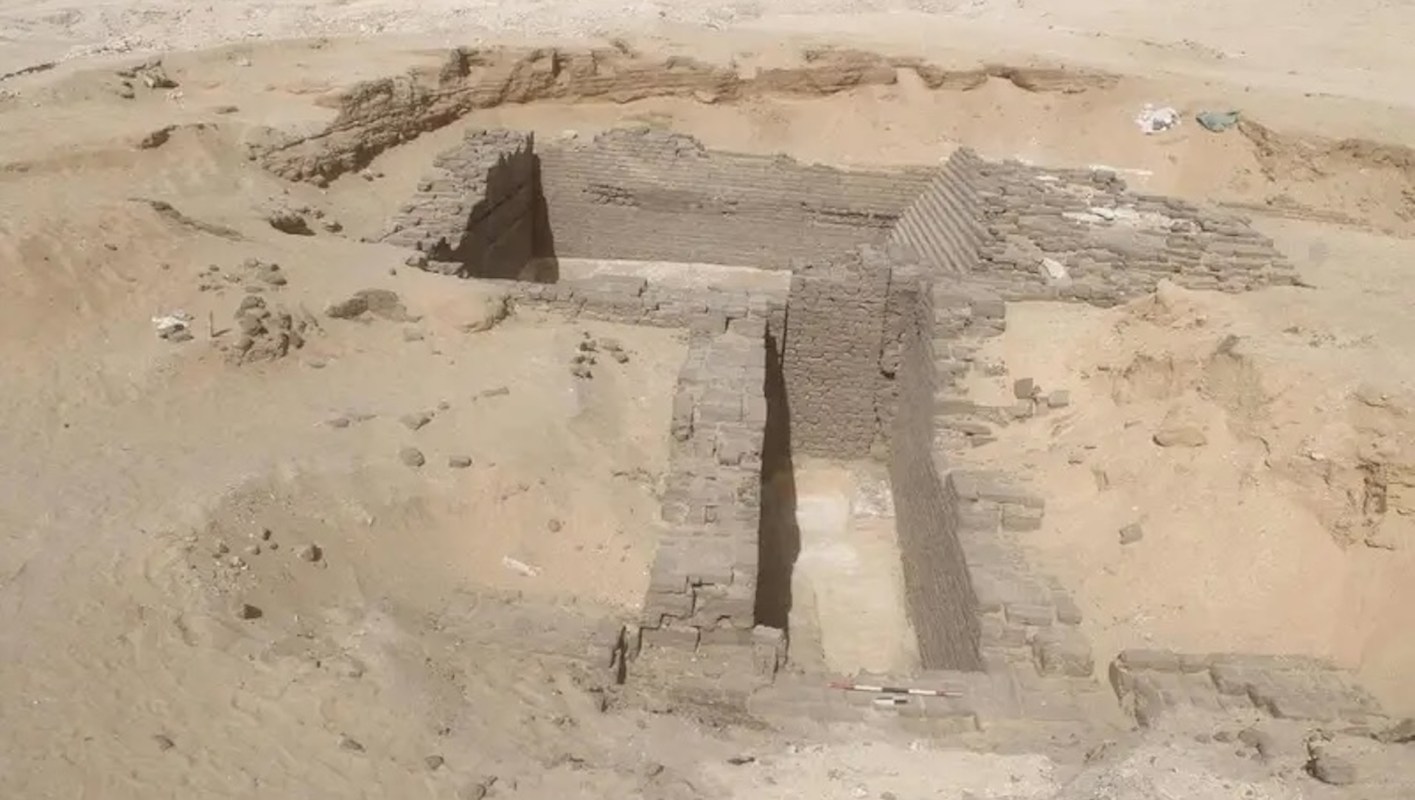
An excavation in central Egypt has brought to light burials from several eras of ancient history, including tombs from the earliest dynastic centuries.
One of those tombs may also preserve signs of the kind of structural thinking that long predated pyramid building.
Taken together, the discoveries suggest that Egyptian burial architecture was being tested and refined centuries before the country's most famous monuments appeared.
What happened?
According to Egypt's Ministry of Tourism and Antiquities, an archaeological team working at Jabal al-Tayr in Minya Governorate uncovered two tombs from the Early Dynastic period, as well as burials from the Predynastic and Late periods, as reported by Arkeonews.
One of the newly found tombs has walls that are thicker at the base and narrower higher up. That practical layout points to an early understanding of stability, load, and structural equilibrium. Both Early Dynastic tombs date to about 3100 to 2686 BC, when Egypt's first pharaonic state was still coming together.
The site appears to have remained in use over a long period of time. Alongside the early tombs, researchers found single and collective burials from the Late Period and exposed part of a Predynastic cemetery.
TCD Picks » Quince Spotlight
💡These best-sellers from Quince deliver affordable, sustainable luxury for all




Several of those earlier burials held individuals in a crouched position, and black-topped pottery vessels beside some of the dead helped date them to the Naqada II and Naqada III periods.
Why does it matter?
The find supports the idea that pyramid construction was not a sudden breakthrough. If archaeologists are right about the wall design, the tomb may preserve a basic building concept that was later developed into more advanced royal funerary architecture, including the step pyramid and eventually the iconic pyramids that Egypt is known for today.
It helps fill in the story of how large-scale engineering ideas developed over time — through smaller experiments, refinements, and repeated use.
The find also adds to the case for preserving archaeological sites. Each newly uncovered tomb, burial, or artifact can deepen scholarship, support museums and tourism, and connect people to thousands of years of human history.
What are people saying?
Dr. Hisham El-Leithy, secretary general of the Supreme Council of Antiquities, told Arkeonews that preliminary studies show "a notable resemblance between the newly discovered tombs and the famous tomb of King Den at Abydos," linking the Minya discovery to one of Egypt's best-known early royal burials.
The discovery could help reveal not only what ancient Egyptians built but also how they thought.

Get TCD's free newsletters for easy tips, smart advice, and a chance to earn $5,000 toward home upgrades. To see more stories like this one, change your Google preferences here.






