A fresh study is bringing renewed focus to a 2,100-year-old marble funerary stele from ancient Antioch, where one woman was memorialized through imagery associated with Tyche, the city's protector.
The monument provides an unusual look at the way remembrance, status, and civic identity could be combined in a single burial marker.
What happened?
Archaeologists found the stele in 2017 during rescue excavations in Antakya, in Turkey's Hatay province. Interest in it has grown again after a study reexamined both its inscription and its visual program.
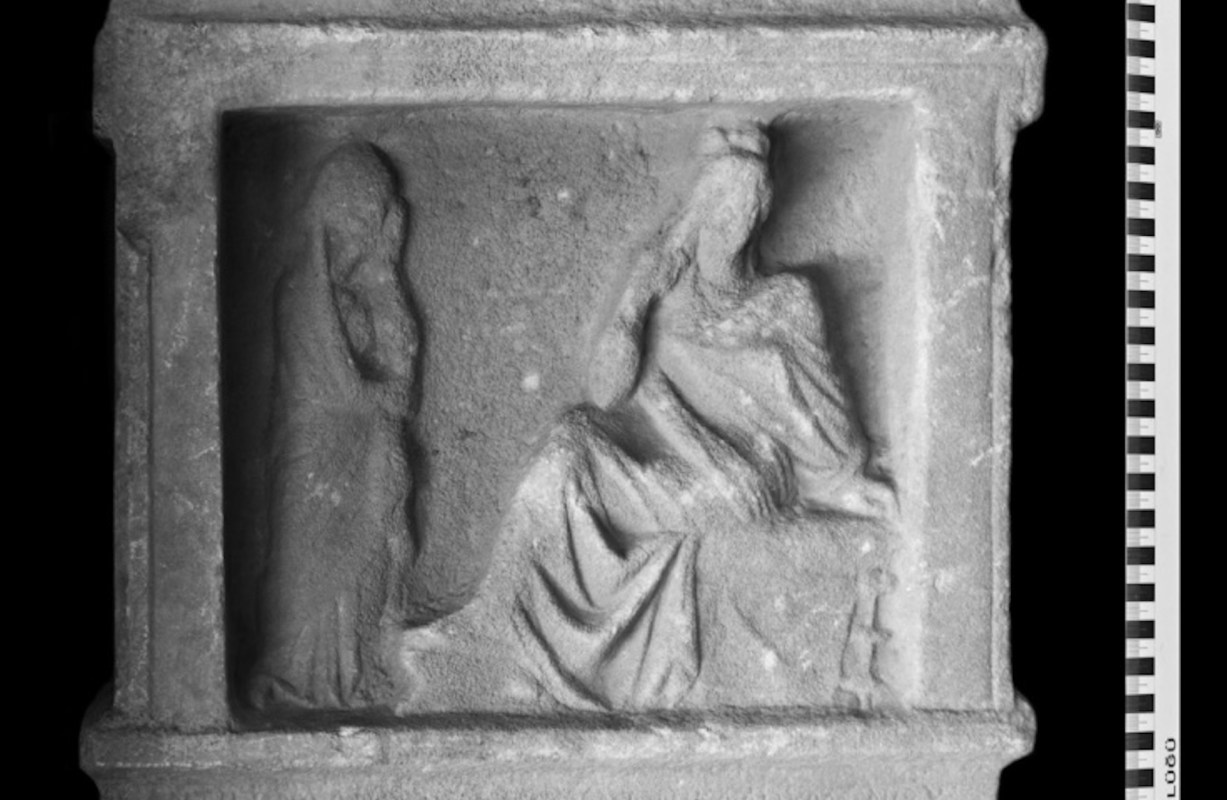
The white marble piece, now in the Hatay Archaeology Museum, is 76 centimeters high and shaped as a naiskos, or small temple-like frame. Its relief centers on two female figures: a larger woman seated on the right and a smaller woman standing on the left.
In pose and overall appearance, the seated figure recalls Tyche of Antioch, the city's familiar guardian goddess. Even so, the image stops short of presenting her as fully divine.
Instead of depicting the richer set of attributes associated with Tyche, the carving presents a mortal woman, likely the one buried there. Researchers have identified her as Antigona from the Greek inscription beneath the figures.
TCD Picks » Good Store Spotlight
Get 10% off your next purchase with code TCD10




Why does it matter?
The imagery suggests that elite women in Late Hellenistic Antioch could be remembered in ways that linked social standing to religious and civic meaning.
The monument creates a deliberate overlap between mortal and sacred imagery. The seated figure borrows from Antioch's best-known divine icon while remaining identifiable as a human woman rather than a goddess.
The smaller standing figure opposite her adopts a subdued mourning posture linked to grief and proper femininity. Researchers think she may be an attendant or a female relative.
By placing the figures within a temple-like frame, the stele may have been meant to suggest immortality and an ongoing presence after death.
On stylistic grounds, the stele is dated to 150-100 BC, and it points to Antioch's mix of eastern Mediterranean artistic influences and local identity.
What are people saying?
In the researchers' view, the monument is a rare window into "elite female commemoration, local devotion to Tyche, funerary symbolism," and the wider visual culture of the Hellenistic world.
They also draw attention to the inscription's use of the word "alypoi," which the source renders as "carefree" or "free from sorrow." That detail may indicate the stele was reused for a later burial.
The study treats the monument as an intimate act of remembrance, preserving Antigona's memory by linking her image to the goddess most closely associated with Antioch.

Get TCD's free newsletters for easy tips, smart advice, and a chance to earn $5,000 toward home upgrades. To see more stories like this one, change your Google preferences here.